

 1 hour ago
4
1 hour ago
4
ARTICLE AD BOX
Last Updated:March 23, 2026, 13:59 IST
Empires from the Greeks to the Portuguese fought to control the route long before oil made it indispensable


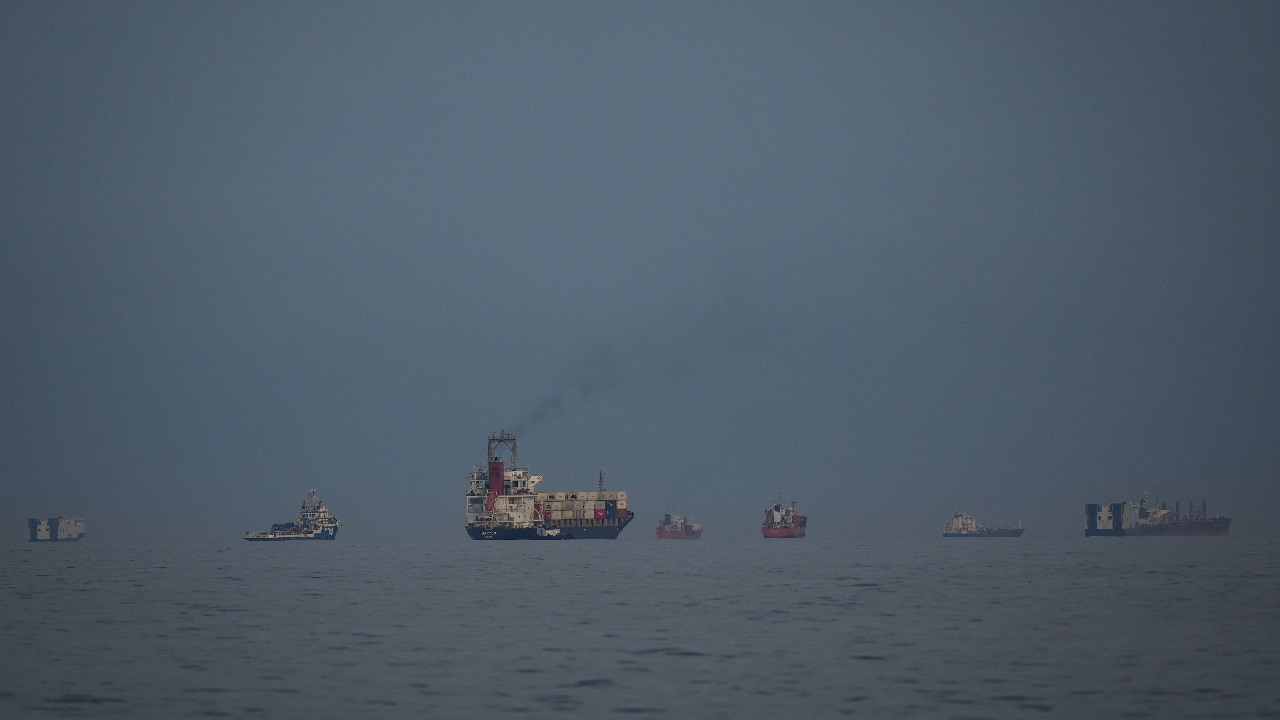
Iran holds a major geographic advantage in the narrow maritime corridor that connects the Persian Gulf to the Gulf of Oman. (Image Courtesy Wikimedia Commons)
As tensions rise once again in the Strait of Hormuz, the disruption to global oil flows may feel unprecedented, but history suggests otherwise.
From naval battles during the Cold War to Iran’s constant threats of cutting off oil supplies, the Strait of Hormuz has long been one of the world’s most unstable geopolitical hotspots.
How did the Strait of Hormuz become so important, and why does every conflict there threaten a global crisis?
Why Is Strait of Hormuz Important?
The Strait of Hormuz is considered the most critical of the world’s energy chokepoints. This is because approximately one-fifth of the world’s total oil supply is carried through this channel between Iran and Oman.
The significance of the Strait of Hormuz is not a new phenomenon. As The Wall Street Journal says, empires from the Greeks to the Portuguese fought to control the route long before oil made it indispensable.
The significance of the Strait of Hormuz for Iran today is that it provides the country with the power to affect global markets without having to go to war.
What Was The Original ‘Tanker War’?
The term “Tanker War" was first used in the 1980s when Iraq and Iran were at war. From 1981 to 1988, both Iraq and Iran attacked each other’s oil tankers and ships in the Gulf to weaken the other’s economy.
While Iraq attacked Iran’s oil tankers, Iran attacked ships that were associated with Iraq and its allies. This led to hundreds of ships being attacked.
According to the History channel, the war escalated to such an extent that the United States was drawn in to escort ships through the strait to ensure safe passage.
As Encyclopaedia Britannica states, this phase saw commercial ships become a battleground, with economic pressure and war becoming blurred.
Has Hormuz Been Threatened Since Then?
Multiple times.
Since the Iranian Revolution in 1979, Iran has employed the threat of closing the Strait of Hormuz as a strategic move on multiple occasions.
In 2011-12, Iran threatened to close the Strait in response to sanctions imposed by the West. Recently, there have been cases of seized tankers and attacks on commercial vessels.
CNN reported that these recent attacks on tankers in the Strait of Hormuz represent a larger trend. It gives Iran the power to carry out limited attacks in order to inflict maximum economic damage without engaging in all-out war and allows the country to influence global oil prices.
How Is The Current Crisis Similar, Yet Different?
The ongoing conflict displays striking similarities to the past tanker wars; however, the stakes are now much higher.
In the latest conflict, Iran has launched multiple attacks on ships. This has resulted in a significant decline in shipping across the strait and risen the price of oil over $100.
Experts have stated that the disruptions in the recent conflict are more serious than in the past. This is because the world is now more dependent on the flow of energy.
Why Is Hormuz So Hard To Secure?
Blame the geography. The strait is narrow, and shipping lanes run close to Iran’s coast, giving it a tactical advantage.
Iran can deploy naval mines, fast attack boats, and drones to harass or disrupt shipping without formally closing the strait. This makes Hormuz a unique battleground where instability can persist even without open war.
First Published:
March 23, 2026, 13:59 IST
News explainers Déjà Vu In Hormuz: Why The Latest 'Tanker Wars' Are A Reminder Of The 1980s Crisis
Disclaimer: Comments reflect users’ views, not News18’s. Please keep discussions respectful and constructive. Abusive, defamatory, or illegal comments will be removed. News18 may disable any comment at its discretion. By posting, you agree to our Terms of Use and Privacy Policy.
Read More






 English (US) ·