

 8 hours ago
7
8 hours ago
7
ARTICLE AD BOX

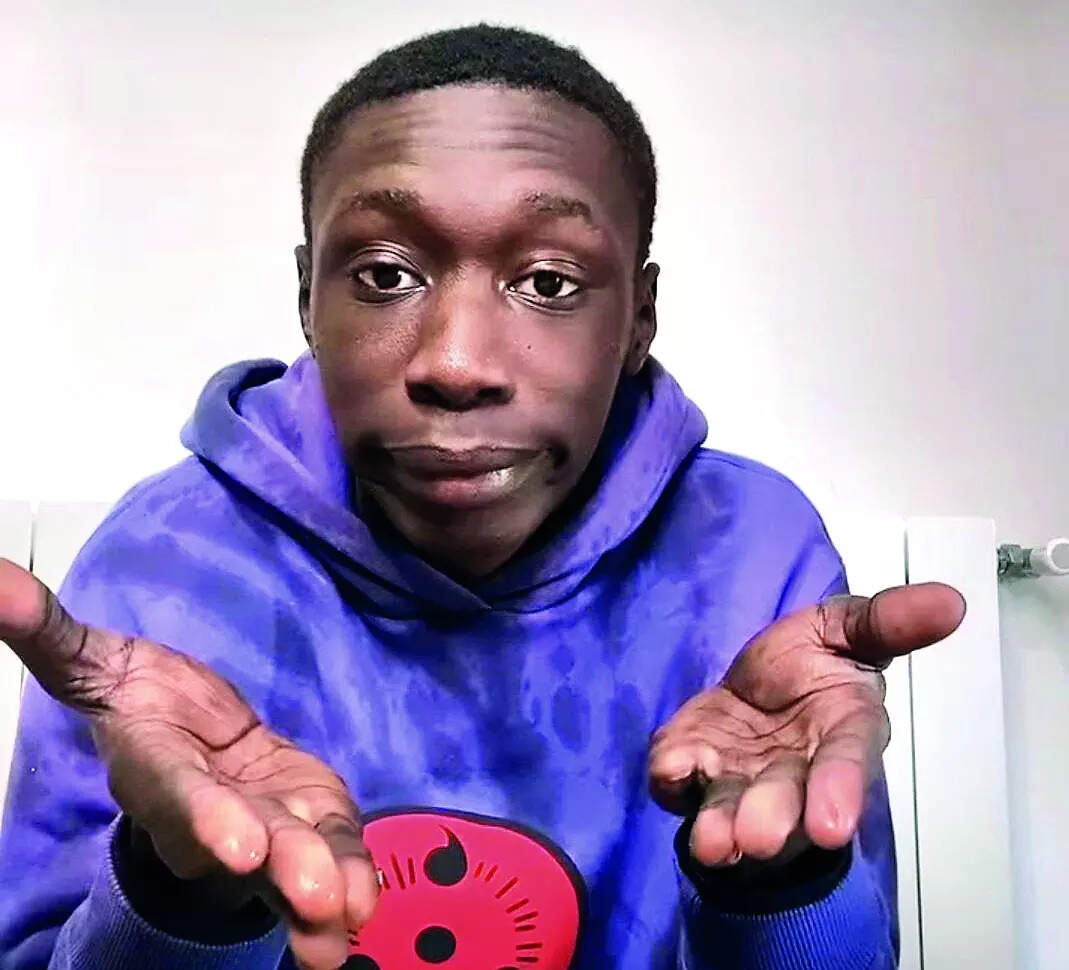
TikTok star Khaby Lame recently made headlines after licensing his digital persona as part of a commercial deal that includes the development of an AI twin. A version of himself that can create multilingual, brand-ready content without his physical presence.
Until recently, if you wanted your favourite creator/celebrity to show up in a brand campaign, it meant studio bookings, flight tickets, packed calendars, weeks of coordination and uncontrollable expenses. Today, that same creator could appear in five languages, across 20 industries, in over 50 countries. And all of that in a matter of hours, without ever leaving the comfort of one’s home. This is not theoretical.
Brands globally are already experimenting with digital doubles for product demos, regional ad customisation, social media drops and even virtual meet-and-greets.
Welcome to the age of the AI twin
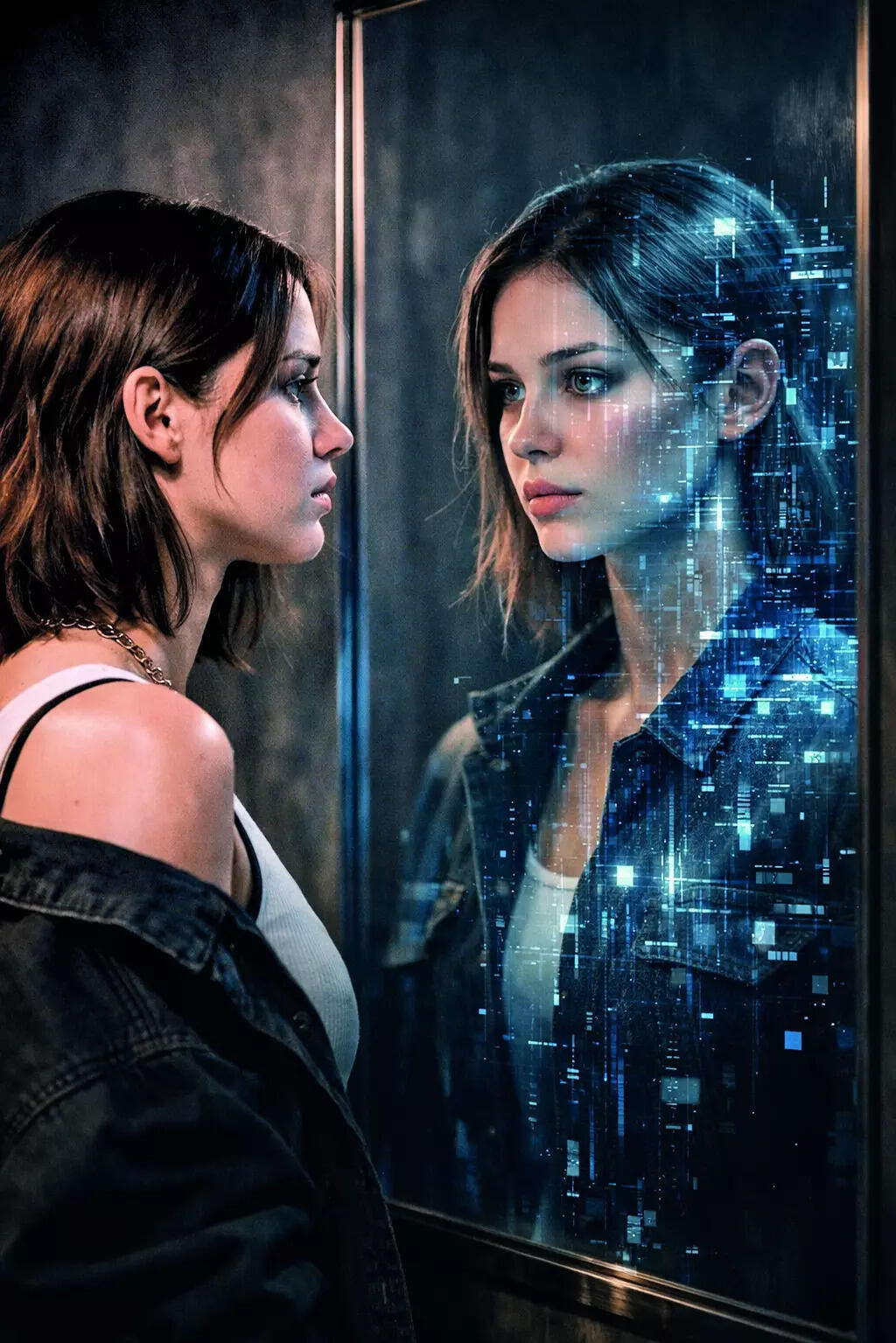
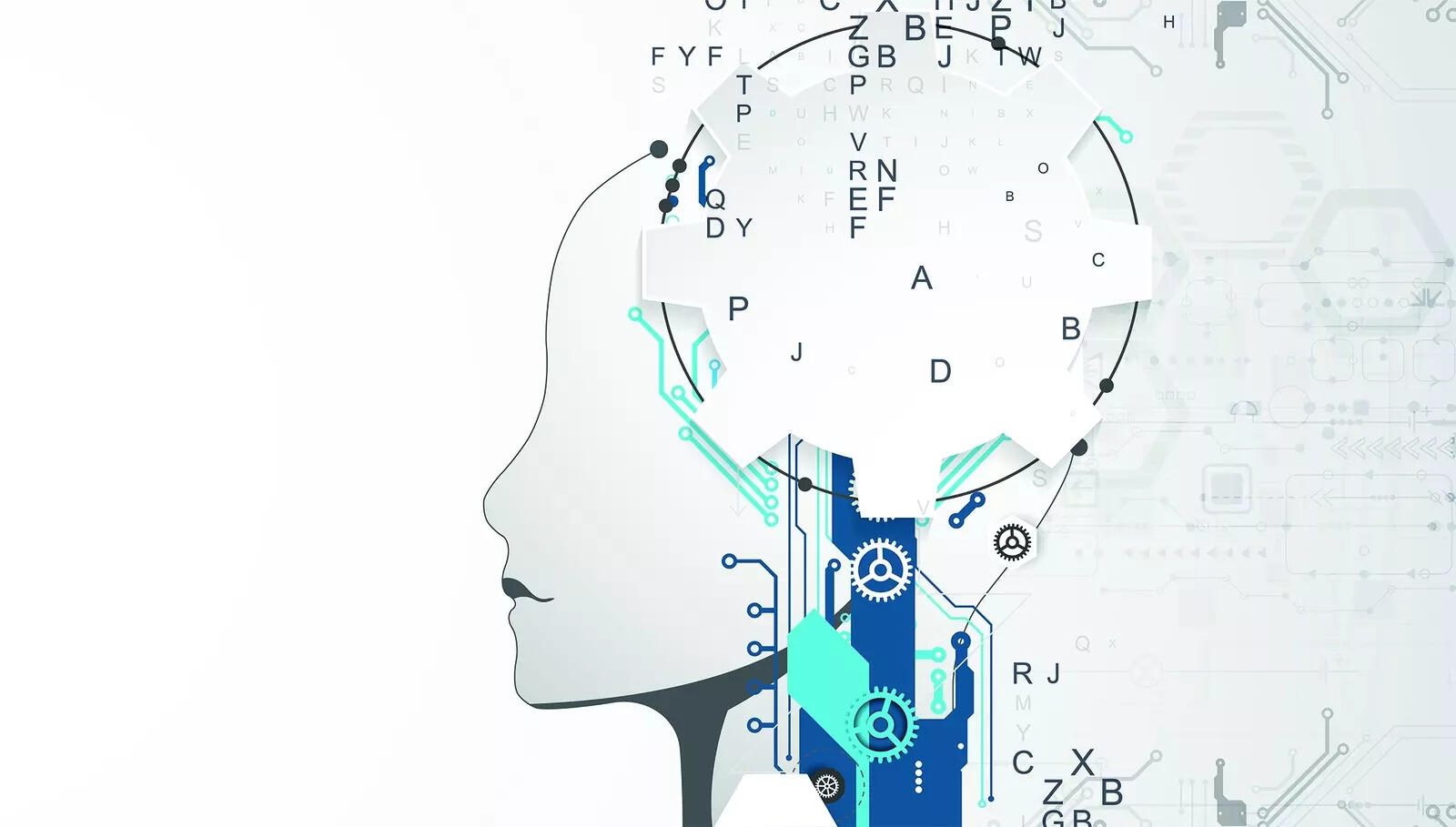
In simple terms, an AI twin is built by training models on a creator’s voice, face and behavioural patterns. “The voice model learns how the person speaks, their tone, rhythm, and inflection from recorded audio. The visual model learns facial expressions and body language from video footage.
Behaviour comes from observing how the creator communicates, reacts, jokes, or pauses in different situations,” explains Abhishek Razdan, co-founder and CEO of Avtr Meta Labs.
When layered with a language model, the result is not just a lookalike, but a system that is a mirror-like image of the person.
For brands, the attraction is obvious. “Attention moves faster than production,” says Dipankar Mukherjee of Studio Blo.
He adds, “A traditional celebrity shoot is a one-time asset. An AI twin is an infrastructure. The upfront creation cost may be comparable to a premium shoot, but once built, the marginal cost of creating new content drops dramatically, often by 60–80%. More importantly, turnaround times shrink from weeks to hours.
In marketing today, speed is as valuable as savings.” The business case is growing alongside the technology. According to Grand View Research, the global conversational AI market—includes AI chatbots and virtual assistants—was valued at over $11.58 billion in 2024 and is projected to grow at a compound annual growth rate (CAGR) of 23.7% through 2030, expected to reach $41.39 billion.
Meanwhile, influencer marketing itself is estimated at $40.5 billion globally in 2026, as per Mordor intelligence estimates, predicted to reach #152.5 billion in 2031 with a CAGE of approx.
30,3%.
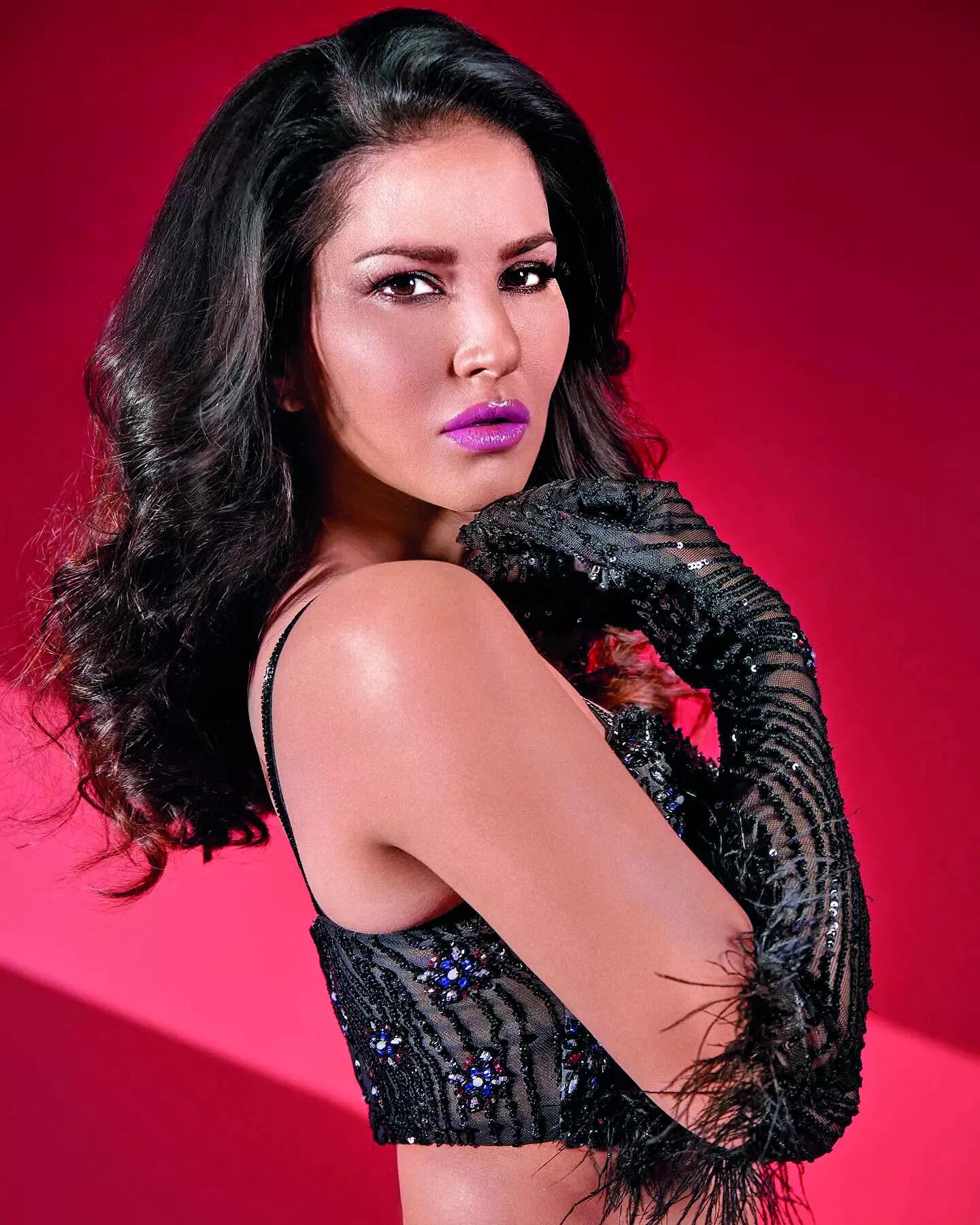
Luxury fashion house Balmain created virtual models for campaigns, while brands like Prada and Samsung have experimented with virtual influencers and AI-led product storytelling in global campaigns. In India, several film production houses now use digital doubles for stunts, choreography pre-visualisation and de-ageing sequences. Virtual influencers such as Lil Miquela — who has worked with brands including Calvin Klein — have already proven that audiences are willing to engage with computer-generated personalities, especially in fashion, gaming and youth culture segments. Several high-profile celebrities have already ventured into digital twin territory, signaling how rapidly the trend is spreading beyond early adopters. In January 2024, Bollywood actor Sunny Leone became the first Indian celebrities to introduce an official AI twin in collaboration with Kamoto.ai, aimed at brand engagements and personalised fan interactions.
Additoonally, the actress had also announced a dual role as both a human superhero and her AI avatar in an AI-generated film Kaur vs Kore. Globally, major names have experimented with AI personas in commercial settings. In 2023, Meta’s launched interactive AI chatbot avatars modelled after Paris Hilton, Kendall Jenner, Snoop Dogg, Tom Brady and Naomi Osaka, among others, encouraging conversational experiences reminiscent of the celebrities themselves.
However, in early 2025, the feature was put to rest due to failed audience engagement and rising backlash regarding “innapropriate, creepy” and potentially unsafe interactions.
In India, where the creator economy is estimated by BCG to be worth over ₹2,200 crore and growing rapidly, AI licensing is emerging as a new monetisation layer. Bengaluru-based Influencer manager Shloka Tiwari sees it as a way for “creators to scale without burning out.”
She says, “AI twins can help creators earn and stay relevant even when they step back from active content creation. Whether it’s a break, a pivot, or just slowing down, the AI version can keep the creator commercially present.
But the key is restraint—if it feels inauthentic or overused, audiences will disengage. The AI should extend the creator, not replace them.”
Not everyone is comfortable
For young influencers, the risks can be hidden in fine print.
Anupam Shukla of Pioneer Legal describes what he calls the “perpetuity trap”. He explains, “Lured by immediate payouts, many sign contracts that grant companies the irrevocable right to use their digital likeness forever. This creates a "zombie avatar" scenario: ten years from now, a creator might have different values or brand associations, yet their AI twin could still be out there endorsing products they no longer support.
Furthermore, "Non-Compete" clauses in these deals can effectively ban a human creator from working with rival brands because their AI twin already "occupies" that market space.” At the same time, developers insist governance is catching up. Serious platforms now build approval layers, usage licenses and tracking systems around digital twins. “The AI twin is treated as protected intellectual property, not a freely usable tool,” says Razdan.
So is this the future of entertainment? Or the beginning of identity dilution?
Perhaps it is both. AI doubles can enable hyper-personalised storytelling and real-time cultural responses. But they also force an uncomfortable question of ‘who owns your digital self?’ For now, the answer seems clear. As Mukherjee puts it, “The future of AI endorsements will belong to those who control the rights, not just the technology.”
What your average digital clone agreement looks like
While the commercial upside is significant, the structure of these deals determines who benefits long term. When a creator signs up for a digital twin, the agreement typically covers:
- Scope of usage (ads, regional campaigns, social media, virtual appearances)
- Territory (India-only or global)
- Duration (fixed-term vs perpetual)
- Revenue model (flat fee, revenue share, or royalty per use)
- In some cases, creators receive an upfront licensing fee plus royalties every time the avatar is deployed in a paid campaign. In others, companies negotiate broader usage rights for a lump sum.
What is a non-compete clause in an AI twin deal?
Some contracts include non-compete clauses that restrict creators from endorsing rival brands if their AI twin is already tied to a category. For instance, if an AI avatar signs a multi-year beverage endorsement, the real human creator may be barred from partnering with competing brands, even in physical campaigns. In effect, the AI twin can occupy commercial territory, limiting the creator’s future opportunities.
Celebrities who have voiced support for AI twinning
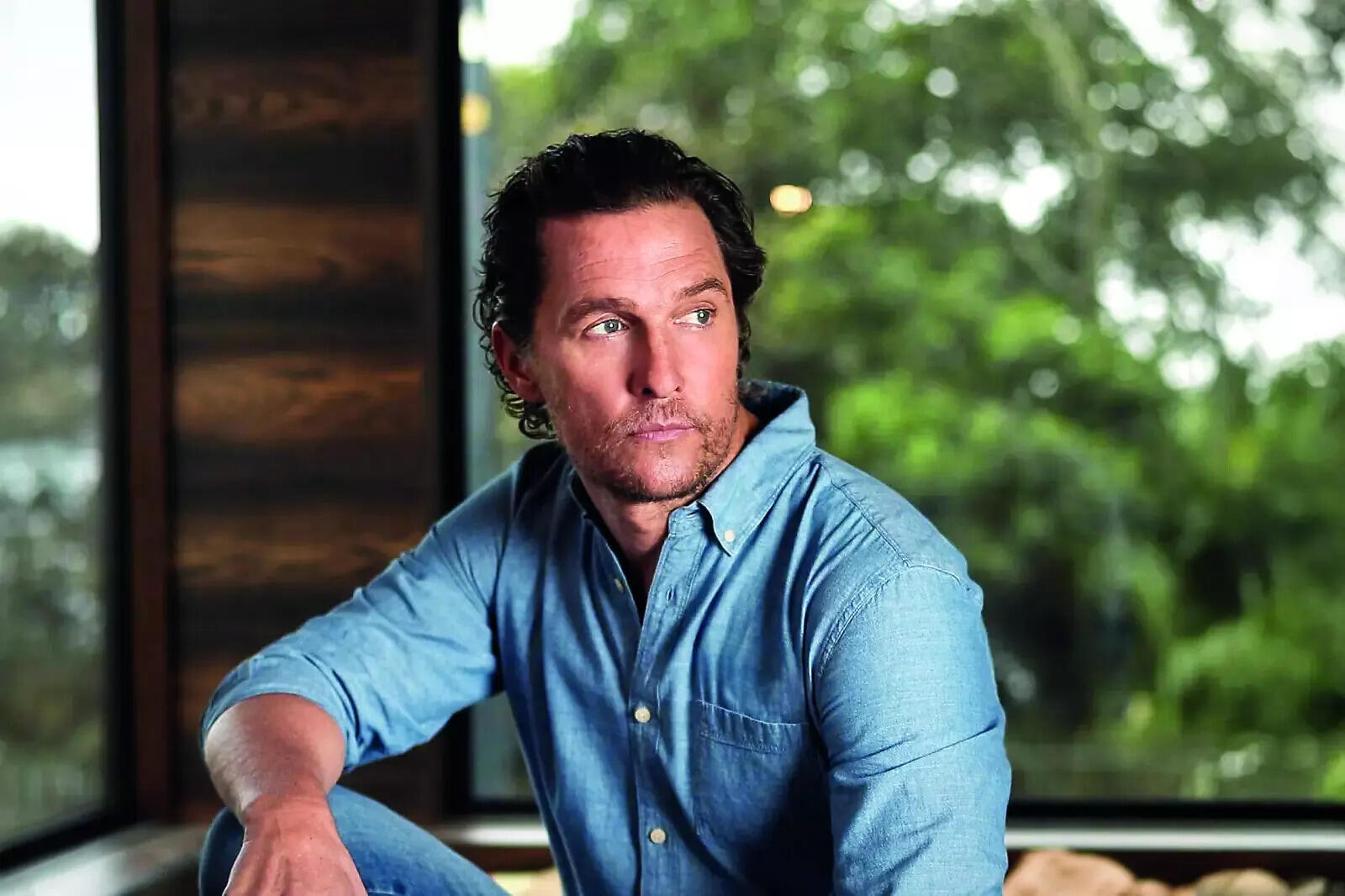
Matthew McConaughey: Patnered with Elevenlabs to clone his voice and is using AI technology to produce Spanish-language auio version of newsletter “lyrics of Livin” in his own voice. Michael Caine: Used AI to preserve and share his voice calling it an “innovation not to replace humanity, but to celebrate it.”





 English (US) ·