

 5 hours ago
2
5 hours ago
2
ARTICLE AD BOX

Actor Jeremy Allen White in a poster from the acclaimed FX show The Bear
The episode is over, but the emotions are still overflowing. A knot formed in the pit of the stomach is slowly unravelling. Like the nervous system has finally processed all it had endured during that one hour of unsettling but hard-to-look-away-from television.Through the dystopian hallways of Severance, to the maddening tension of delivering that perfect order to the table in The Bear, to Kohrra's grief-filled silence; some audiences like consuming such tense content.Different countries, stories and settings. But an invisible thread binds them together -- the state of discomfort they evoke in the viewers.But when life already bears the burden of several tangible-intangible stressors, why do some people willingly go through this experience?What is discomfort TV?Psychologists often describe discomfort television as a form of storytelling which invites audiences to sit with grief, anxiety, social unease and uncertainty for longer durations of time.This state of uneasiness may have an emotional colour (grief or loneliness), some psychological component (anxiety and unpredictability), or it could be circumstance-driven, where the audiences remain in high-pressure situations such as toxic workplaces and hospitals, according to mental health experts.It is less about emotional release, and more about emotional endurance. Less about subject matter, more about a story structure which prioritises processing and a delayed release, which may or may not be cathartic.
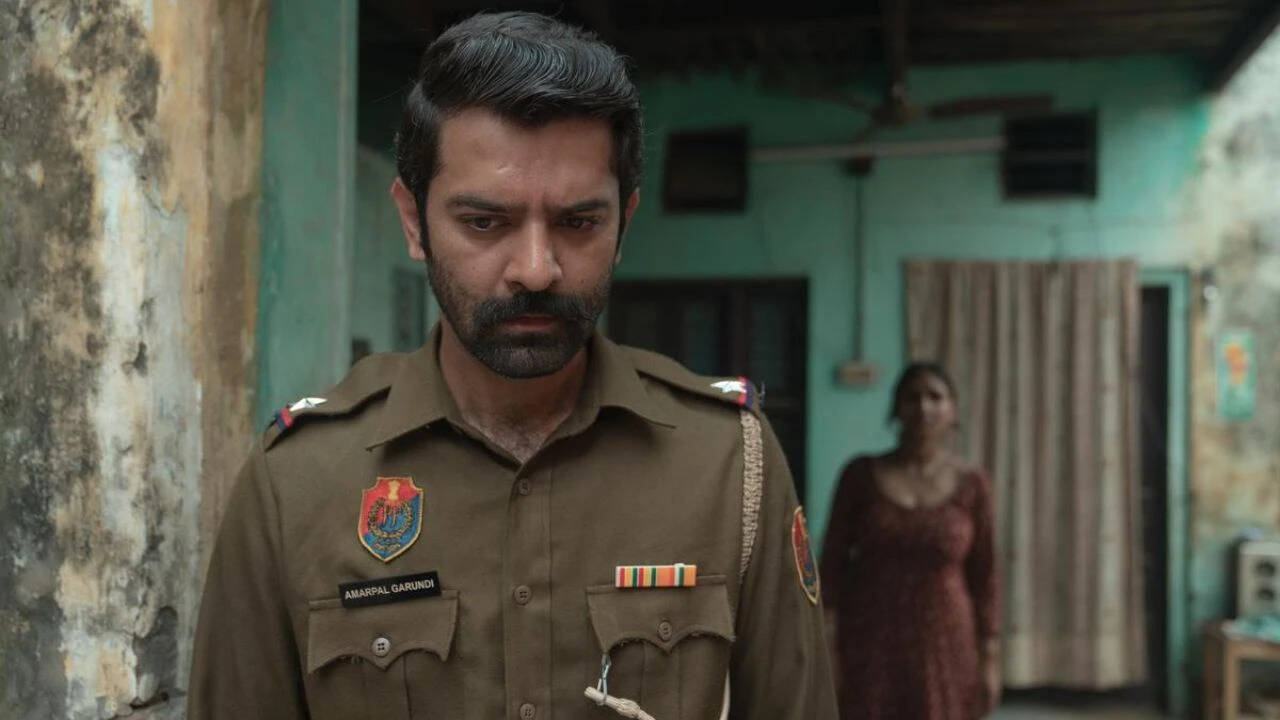
Barun Sobti in a still from the show Kohrra
Shows such as Kohrra, Paatal Lok and Delhi Crime welcome people into their grey worlds shaped by familial and emotional conflicts, institutional failures and gender violence. The most striking element of these shows are their uncanny resemblance to the real world.Senior psychologist Deepa Chopra says, "Stressful shows allow us to feel fear, grief, anxiety, anger or sadness without the real-world consequences.
They act as an emotional simulator and sometimes provide catharsis. When we watch characters face these conflicts, we mentally connect and compare our responses to such high-stake situations. We create a powerful sense of recognition."Unlike real-world stress, fictional stress is contained. This sense of safety and control allows viewers to interact more freely with difficult narratives.The appeal of high-stress televisionFrom the mental health perspective, these shows draw in viewers not because they are uncomfortable to watch, but what that discomfort unlocks, says Dr Chopra.
People may recognise themselves in someone as they come to terms with their grief. They may become deeply absorbed by what is unfolding in front of them, setting aside their own worries for a bit. And in a few cases, they emerge with a stronger sense of understanding or relief.Dr Chopra elaborates that recognition, immersion and catharsis are not distinct experiences, but are a part of the same viewing ladder, occurring at different stages in the process.
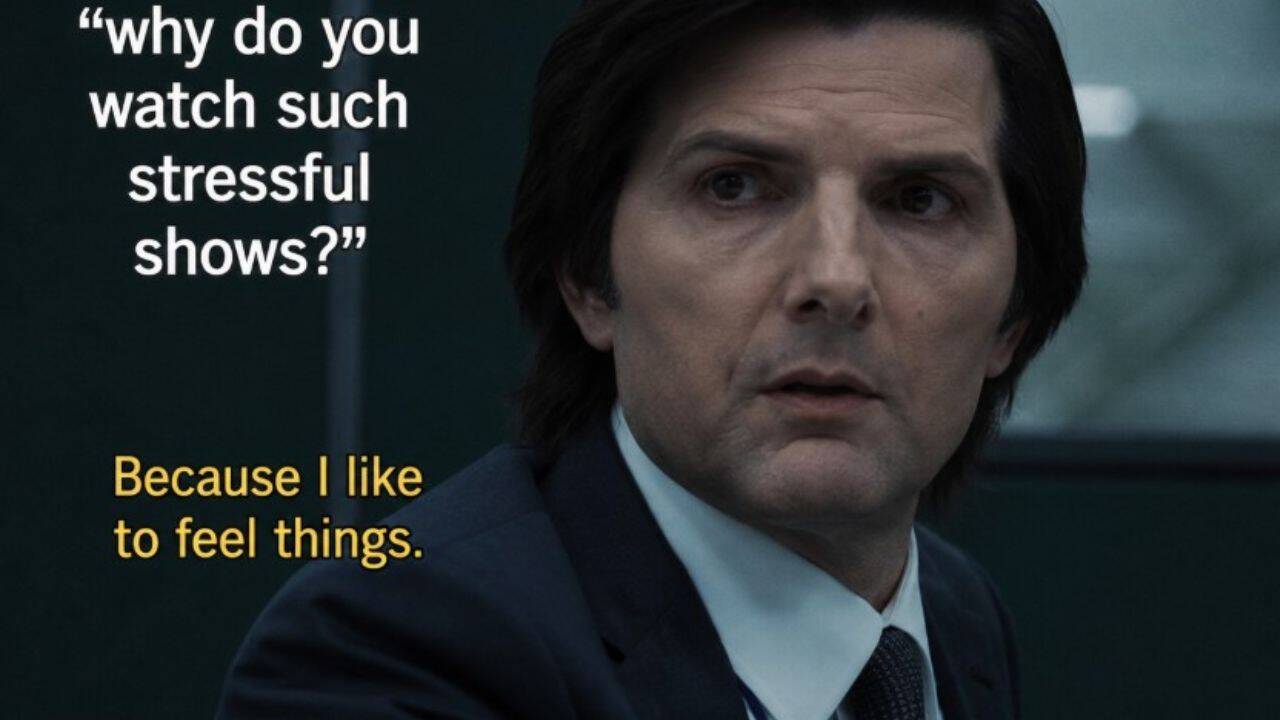
Psychologists suggest intense stories also help create a level of absorption that can interrupt everyday stressors. Dr Allison Eden, Associate Professor in the Communication department at Michigan State University, tells Elle that consuming such content can "kick us out of our stressed, bored or anxious state" by demanding our undivided attention.For a section of the audience, the recognition comes from how daily, familiar stressors are reflected on screen.
"Even though they are stressful, I feel they portray real life somehow. For instance, in the show Industry, things often get chaotic. There is rivalry, the uneven office relationships and the adrenaline rush of closing a deal. Representing these aspects of life without sugarcoating it is why I am drawn to such shows," says Anulekha Ray, 33, a financial advisor.How much stress is too much stress?For some viewers, the uneasiness becomes worthwhile when it leads to understanding.
Psychologist and educator Dr Itisha Nagar says that some shows are seen to "fulfill the need of meaning rather than pleasure."Nishant, 33, an NGO worker, says he is drawn to difficult stories only when the pay off is a deeper understanding of the human condition.
"I do watch shows that make me deeply uncomfortable, but only if they give me emotional texture, not just misery," he says. "Like Baby Reindeer has those tiny moments of connection or hope.
I feel like I'm understanding how trauma and loneliness actually work in real people. But Ugly is much harder for me. It feels relentlessly bleak. I can handle stressful TV when the pain leads to some insight or tenderness."Most viewers are not seeking distress for its own sake. They want that pain to be transformed into something meaningful.As Dr Chopra puts it, "Without some kind of catharsis or emotional pay off, immersion alone may feel unsatisfying."The knot loosensReal life doesn't offer pretty or elaborate explanations about our sufferings or fears. Discomfort TV seems to do something simple but profound: it gives our messy emotions a place to go -- a beginning, a middle and an end.Ultimately, the audience is not watching because they enjoy experiencing harrowing visual journeys. As Nishant said, stressful content is only of some value "when the pain leads to some insight."So the knot finally loosens. The discomfort remains, but now it has a shape.-- Anvita Singh








 English (US) ·