

 23 hours ago
4
23 hours ago
4
ARTICLE AD BOX

Life became a relentless checklist, turning rest into a conditional, earned activity. Now, a shift is emerging with 'bed rotting,' where people embrace doing nothing to finally quiet their racing minds. This trend highlights the human need for unscheduled pauses, relearning the skill of rest beyond productivity.
A few years ago, if someone told you they spent an entire afternoon doing nothing, the reaction would probably be a raised eyebrow.“What do you mean nothing?”Were you reading something useful? Planning something? Cleaning? Learning a skill? Watching something educational?Just resting rarely counted as a real answer.Along the line somewhere, life became a checklist. Rise and shine, reply to emails, get through work, have to do everything that you have missed out on, keep abreast with all that is going on in the online world, continue to develop yourself, remain productive.Even breaks started coming with conditions.If you rested, it had to be intentional. A wellness activity. A guided meditation. A productivity break that helped you “recharge” so you could get back to doing more.
Just lying down for a while started feeling almost… wrong.You can see how deeply this mindset settled into people by the way they talk about rest now. Many people still feel the need to justify it.“I was so exhausted, I had to take a break.”“I worked really hard this week, so I allowed myself a day off.”“I deserved to rest today.”Notice the language. Rest still has to be earned.But lately something interesting has been shifting in how people think about this.
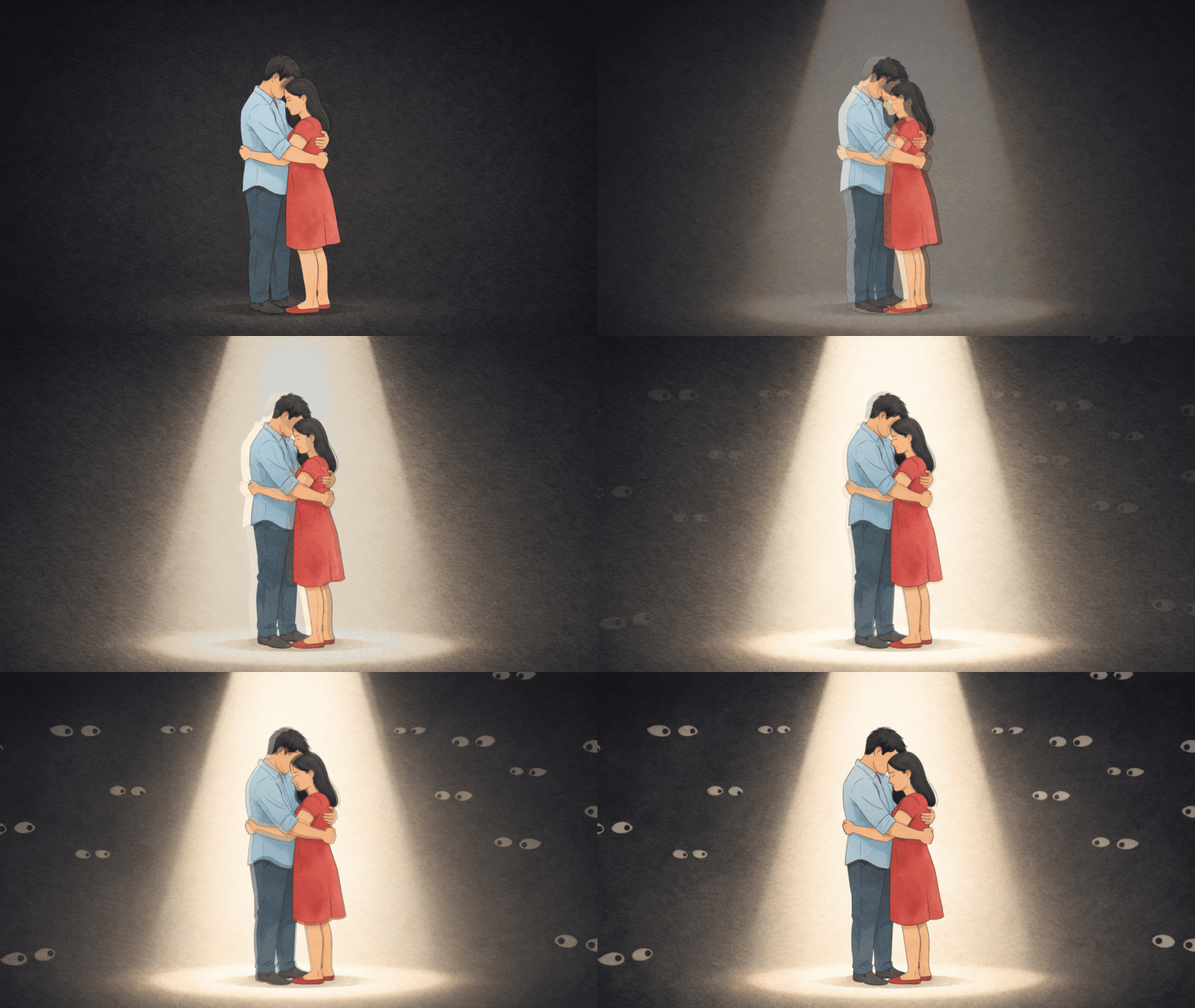
Something weird began to emerge all around social media: bed rotting.The title is dramatic, almost humorous, yet its meaning is extremely basic. There is an open discussion on how people are spending their time doing nothing. Spending time in bed relaxing the body instead of making it a productive moment.At first glance it looks lazy. But when people explain why they do it, a different picture appears.Many say it’s the only time their mind finally stops racing.For years, life has been moving at a relentless pace. Notifications, deadlines, expectations, endless streams of information. Even after work hours, the brain keeps running.Phones stay beside the bed. Work chats don’t always stop in the evening. Social media constantly reminds people of what others are achieving, building, improving.

The mind rarely gets the message that it can switch off.This has been termed by psychologists as a nervous system that does not relax completely.
The brain remains alert excessively long. A person is still thinking, checking, reacting even though technically they are resting.Eventually the body pushes back.That’s when people start feeling that strange kind of exhaustion that sleep alone doesn’t fix.Not because they worked physically harder than previous generations, but because their minds rarely get silence.Earlier, silence appeared naturally throughout the day. Waiting somewhere without a phone.
Sitting outside after dinner. Walking without something playing in your ears.Those moments acted like small resets for the brain.Now most of those pauses are filled instantly. The moment boredom appears, the phone appears too.That’s why the recent conversation around rest feels different from older wellness trends.People aren’t trying to turn rest into another routine anymore. They are simply trying to give their mind space again.Lying down without a goal. Sitting somewhere quietly. Taking a walk without turning it into exercise.These moments don’t look impressive. They won’t appear on productivity blogs or motivational reels.But they are starting to feel necessary.For a long time, hustle culture convinced people that doing nothing was a waste of time. That success belonged to those who filled every hour with effort.But the human mind doesn’t work like a machine.It needs pauses. Not the kind that are carefully optimized, but the kind where nothing is expected from you.That’s the skill many people are quietly relearning now.Not productivity.Rest.






 English (US) ·