

 1 hour ago
5
1 hour ago
5
ARTICLE AD BOX
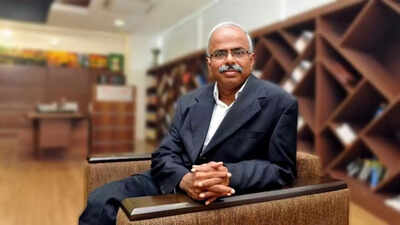
Entrepreneur and founder of Thyrocare, Dr A. Velumani, is known to share blunt and experience-driven insights from time to time on life, success, and parenting. In one recent post on X, he stirred an interesting discussion after drawing a sharp line of difference between two kinds of mothers and the potential long-term impact each may have on children.
The message was simple but profound: whereas pampering elicits temporary happiness, unrelenting challenges imbue resilience, strength, and actual potential. Since being shared, his post has resonated with parents and non-parents alike who can relate to taking a step back and re-evaluating how they're preparing kids for real life.Two kinds of mothers, two very different outcomesIn the blog post, Dr Velumani starts off by describing “Two kinds in Mothers”, right away setting up a comparison that is based on day-to-day child-rearing behavior.
Whereas one mother celebrates every little bit of success in a most exaggerated fashion, another type of mother reacts to success by presenting the next level of challenge. It is a contrast not between love and neglect but between an approach. Dr Velumani emphasizes how small, frequent decisions taken in parenting can, without the knowledge of a growing child, turn their mindset, expectations, and dealing mechanism towards effort and responsibility over time.
The ease of celebration and happiness on the spotDr Velumani describes this first category of mother as one who, upon a child solving a small problem, celebrates boisterously, proclaiming to her neighbours, posting it on social media, and even rewarding trips. “Both happy,” he says. The immediate joy of such approbation is self-evident. But in the framing, there is a silent questioning of whether constant celebration conditions children to seek applause rather than growth, and if comfort-driven encouragement prepares them for anything other than a cosseted environment.Growth through incremental challengesThe second kind of mother, Dr Velumani explains, acts differently. When a child solves a small problem, she “gives a bigger problem” and keeps it incremental for years. It may feel demanding, even uncomfortable in the short term, but this is how to encourage the child to continuously stretch their abilities. Reward is not the motive but rather capacity building—training the mind and body to adapt, endure, and grow even stronger with each new responsibility.Strength quietly developed over timeDr Velumani says, “In the long run becomes many fold stronger Adult. Physically and mentally.” His words underline the fact that there is a long-term vision of parenting at stake herein-a way of bringing up children which prioritizes durability over spectacle. Confronting regular challenges, kids develop resilience, problem-solving ability, and emotional toughness. The strength garnered may be quiet and invisible in the initial period, but it snowballs into shaping adults who don't implode with pressure, failure, and uncertainty.A direct message to parents The post ends with a clear call to action: "Explore full potentials. Parent! Do not Pamper!!" Dr Velumani does not speak of denying love; he speaks of redefining love. True care, he says, is in preparing children for reality, not shielding them from it. And his words invite parents to reflect whether they raise children for applause today—or strength for tomorrow.







 English (US) ·