

 3 days ago
13
3 days ago
13
ARTICLE AD BOX
A powerful El Niño event is anticipated for 2026, following the current La Niña's cooling phase. Forecasters predict a significant warming of Pacific waters, potentially reaching 'super' El Niño status. This shift could trigger widespread weather disruptions globally, including extreme heat, droughts, and floods, impacting everything from harvests to energy demands.
Warming and cooling of the land and sea surfaces are among the most important factors that set the climatic conditions on the Earth.One year droughts scorch farms, the next floods swamp cities, all from ocean warmth rippling across the Pacific.
As climate change exacerbates these fluctuations, these cycles grab headlines for disrupting monsoons, hurricanes, and harvests.Right now, La Niña's cool grip is fading, teasing a hot flip in temperatures that could spike temperatures worldwide. Farmers look forward to rains, coastal towns brace for storms, and energy grids sweat the heat. In our topsy-turvy world, understanding El Niño means prepping for chaos, but this time, as winds change, not just El Niño but a super El Niño has been forecasted.
Droughts, floods, and quiet Atlantic hurricanes: What is Super El Niño?
Super El Niño on Horizon for 2026?
Forecasters see a strong El Niño brewing in 2026 after La Niña fades, with the European Center for Medium-Range Weather Forecasts (ECMWF) eyeing big changes. El Niño warms equatorial Pacific waters by 0.5°C+, impacting jet streams and rains globally; "super" status hits at 2.0°C above normal.ECMWF models show 98% odds of moderate El Niño by August, 80% for strong, and 22% for super. “All signs are increasingly pointing to a significant, if not strong to very strong, El Niño event,” climate scientist Daniel Swain noted.
“… This is increasingly likely to become a major regional-to-global climate driver in 2026-27.”, according to a Severe Weather report.NOAA agrees La Niña ends soon, hinting at El Niño post-July, though spring forecasts wobble.
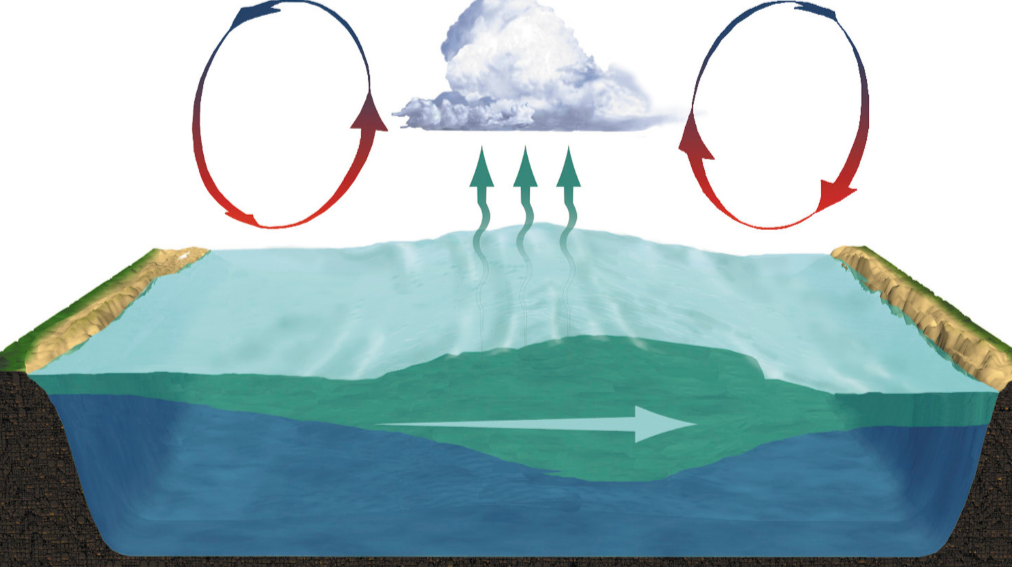
El Nino- Representative Image
What is a Super El Nino?
A super El Niño is an extremely strong El Niño event, where sea surface temperatures in the central-eastern equatorial Pacific (Niño 3.4 region) rise at least 2.0°C above the long-term average for three consecutive months.
It causes global weather disruptions like heavy rains, droughts, floods, and heatwaves, far beyond a regular El Niño.Some famous examples include 1982-83, 1997-98, and 2015-16, which increased hurricanes and crop failures worldwide.
From La Niña chill to El Niño heat
La Niña cools surfaces, lessening heat release and boosting US hurricanes/droughts. El Niño changes it,“When there is a transition from La Nina to El Nino, it’s like the lid is popped off,” releasing stored warmth, per former NOAA meteorologist Tom Di Liberto with Climate Central.Expect drier, hotter winters in the northern US/Canada; wetter conditions with floods in the Gulf/Southeast. Hurricane season might quiet: “As we get closer to the start of hurricane season, confidence is growing that this might be the quietest season since 2015," said Andy Hazelton of University of Miami CIMAS on X.









 English (US) ·