

 1 day ago
6
1 day ago
6
ARTICLE AD BOX
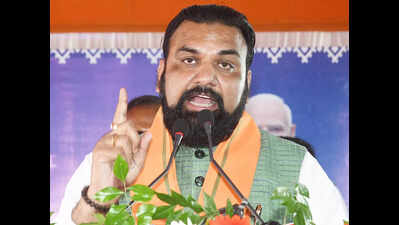
Bihar's government employees and legislators are set to receive cashless healthcare, a significant shift from the current reimbursement system. Deputy CM Samrat Choudhary announced the upcoming implementation, aiming to benefit approximately one million individuals. The state also plans to expand medical education through public-private partnerships, addressing infrastructure and staff shortages in government medical colleges.
Patna: The state govt employees and legislators will soon be provided with cashless healthcare facilities, deputy CM Samrat Choudhary said in reply to a question raised by BJP MLA Raghavendra Pratap Singh in the legislative assembly during Question Hour on Friday.
Once implemented, it will benefit around one million state govt employees and their dependents.The govt also revealed plans to expand medical education infrastructure by establishing new medical colleges under public-private partnership (PPP) mode.Under the cashless treatment policy, members of the legislative assembly and council, along with state govt employees, will no longer have to pay upfront for medical treatment, marking a shift away from the existing reimbursement-based system.Raghavendra criticised the reimbursement process as impractical and burdensome for employees. As Samrat initially referred to a proposed meeting on the matter, Singh pressed for an immediate decision. BJP MLA from Jale, Jibesh Mishra, questioned the need for further deliberation when the govt was already present in the House. Then, the deputy CM announced that the cashless treatment facility would be implemented, with a formal meeting on the rollout to be held within a week.
Responding to another question from MLA I P Gupta, deputy CM Samrat said a new policy framework for PPP-based medical colleges was being prepared and would be announced soon.Addressing concerns over staff shortages, he acknowledged difficulties in attracting doctors to govt medical colleges in Bettiah and Madhepura, despite the availability of infrastructure and resources. He said the move towards a PPP mode was partly driven by this challenge and added that the govt was considering a policy to limit private practice by govt-employed doctors.Amid repeated questioning and political pressure, the govt sought to underline its commitment to improving the healthcare system in the state.








 English (US) ·