

 1 hour ago
6
1 hour ago
6
ARTICLE AD BOX
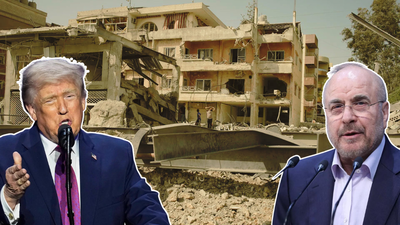
The United States is preparing for the possibility that fragile ceasefire talks with Iran could collapse, even as President Donald Trump insists there is still time for diplomacy, as per a report by CNN.
Behind the scenes, military planners are drawing up contingency options focused on one of the world’s most critical chokepoints, the Strait of Hormuz, where tensions remain dangerously high.The current ceasefire, which paused US strikes earlier this month, has not eased the standoff at sea. Iran has effectively restricted traffic through the strait in retaliation for the war, while Washington has maintained a blockade on Iranian ports.
With negotiations stalled and no clear timeline for talks to resume, officials are increasingly preparing for a return to open conflict.Trump has publicly signalled patience, saying he does not want to rush into a deal, but has also warned that military action could resume if diplomacy fails. “The clock is ticking,” he said, even as he ruled out the use of nuclear weapons. The arrival of a third US aircraft carrier in the region underscores how seriously Washington is treating the risk of escalation.
Military plans shift focus to Hormuz flashpoint
According to reports, US military officials are now refining plans for a more concentrated campaign targeting Iran’s capabilities around the strait and nearby waters, including the Persian Gulf and Gulf of Oman. The strategy would prioritise so-called “dynamic targeting” rapid strikes against mobile threats such as fast attack boats and minelaying vessels.These asymmetric assets have allowed Iran to exert outsized control over the waterway, despite earlier US strikes that focused more on inland targets.
A significant portion of Iran’s coastal defence systems remains intact, and its fleet of small, agile boats continues to pose a major challenge to reopening the strait.Even with intensified strikes, officials acknowledge there is no quick fix. Military action alone is unlikely to immediately restore safe passage for commercial shipping. One assessment suggests that unless Iran’s capabilities are almost entirely neutralised, or risks can be tightly managed, any decision to push vessels through the strait would carry significant danger.The Pentagon is also weighing broader options, including strikes on dual-use infrastructure such as energy facilities, aimed at forcing Tehran back to the negotiating table. Such moves would mark a sharp escalation and risk widening the conflict further.
Blockade, mines and economic shockwaves
On the ground and at sea the situation remains volatile. Iranian forces have seized vessels in the strait, while US troops have intercepted tankers linked to Iranian oil exports in nearby waters.
Both sides are effectively enforcing rival blockades, leaving global shipping caught in the middle.The presence of sea mines has further complicated the picture. Estimates suggest that clearing the strait could take months, even if hostilities ease, raising fears that disruption to global energy supplies may persist well beyond any ceasefire. Roughly a fifth of the world’s oil and liquefied gas passes through the route under normal conditions.Trump has taken a hard line, ordering US naval forces to “shoot and kill” any boats involved in laying mines, and insisting that American minesweepers are operating at an intensified pace. Yet his claim that the US has “total control” over the strait has been questioned, given Iran’s continued ability to disrupt traffic.Energy markets are already feeling the strain, with prices hovering at elevated levels amid uncertainty.
Industry experts warn that even a partial reopening of the strait would require strong security guarantees before shipping companies resume normal operations.Iran has refused to attend negotiations while US naval restrictions remain in place, while Washington insists the strait must be reopened before meaningful dialogue can resume. The deadlock has left mediators struggling to bring both sides back to the table.








 English (US) ·