

 3 days ago
1
3 days ago
1
ARTICLE AD BOX
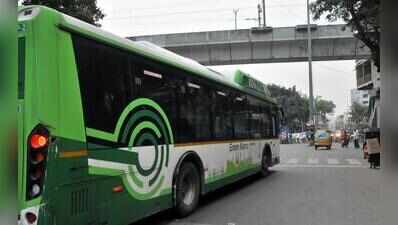
The successful e-bus operators would only be permitted to use designated spaces within depots for charging and maintenance during the contract period
Vijayawada: Dismissing reports of privatisation of APSRTC, the govt once again on Thursday asserted that the induction of electric buses under the Centre-sponsored PM eBus Sewa Scheme would not affect the corporation’s ownership of assets or the job security of its employees.In an official release issued, special chief secretary (transport, roads & buildings) MT Krishna Babu clarified that APSRTC depots, lands, workshops, garages and other assets would continue to remain under the corporation’s ownership and would not be leased, transferred or handed over to private agencies. The successful e-bus operators would only be permitted to use designated spaces within depots for charging and maintenance during the contract period, in accordance with the agreement.Krishna Babu said the electric buses are being inducted under the Gross Cost Contract (GCC) model, similar to the existing practice of operating hired diesel buses. He noted that the GCC model is a nationwide procurement mechanism adopted by the Union government under the PM eBus Sewa Scheme, considering the high capital costs and specialised maintenance requirements of electric buses.He said the tendering process was conducted transparently by Convergence Energy Services Limited (CESL), a Government of India enterprise, through competitive bidding. Of the 1,050 electric buses sanctioned to Andhra Pradesh, contracts for 750 buses have already been finalised in the first phase, and they will be deployed from identified depots across the State.
Responding to concerns raised by employees, the special chief secretary said the temporary redeployment of some staff was necessitated by civil and electrical infrastructure works underway at select depots and should not be viewed as a threat to employment. He assured that no employee would lose his or her job due to the induction of electric buses and that the government had no plans for retrenchment.Krishna Babu said employee welfare remained a priority and that the government was holding consultations with employee unions while examining their suggestions before taking policy decisions.He also revealed that the State was studying the feasibility of adopting a Dry Lease Model for future procurement of electric buses. Under such a model, APSRTC drivers and employees could continue operating buses and carrying out general mechanical maintenance, while specialised maintenance of batteries, powertrains and other electrical systems would remain with manufacturers or suppliers.He also said the government aims to progressively replace conventional diesel buses with air-conditioned electric buses by 2029 under the Andhra Pradesh State Electric Mobility Policy (AP SEMP 4.0). The transition, he said, would reduce pollution, lower dependence on fossil fuels, improve passenger comfort and create a more sustainable public transport system.He further stated that the government was providing nearly Rs 350 crore every month to APSRTC towards employee salaries and terminal benefits and would continue extending financial support to strengthen the corporation.






 English (US) ·