

 1 hour ago
7
1 hour ago
7
ARTICLE AD BOX
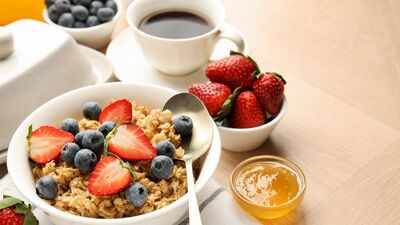
There's no denying that eating fiber is a big task and for most people, veggies are the only source of fiber, which they often hate eating! As per experts, the easiest way to keep your gut healthy comes from the concept of "fiber-maxxing," as it the best way to feel satiated.
Most people do not eat enough fiber every day. Luckily new studies about food and health have some news: you do not need special foods or veggies to completely change what you eat to get enough fiber. In fact, just by focusing on ordinary, everyday ingredients already sitting in your kitchen, hitting your wellness goals becomes surprisingly simple.
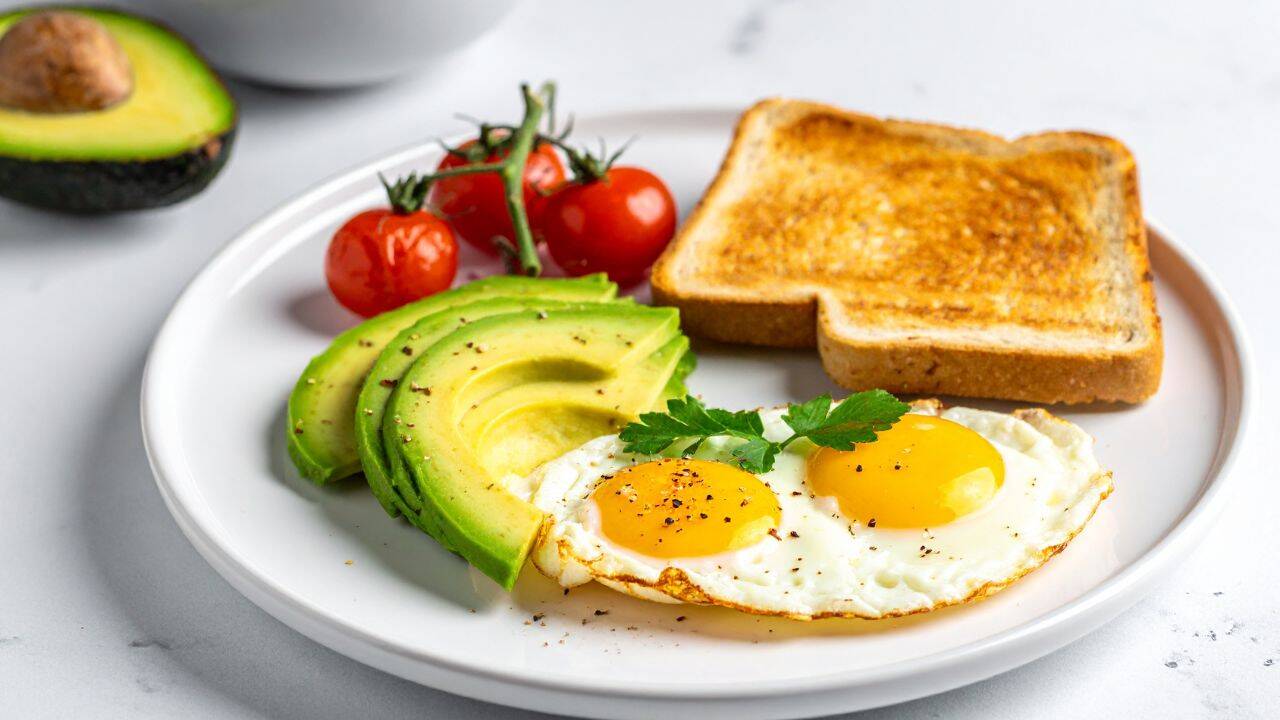
The power in the pantryYou don’t need to look any further than basic legumes to find a major fiber upgrade.
Regular staples like lentils and chickpeas are nutritional heavyweights, with just a half-cup serving of cooked lentils delivering a massive chunk of your daily requirement. Throwing them into a casual soup, tossing them into a lunchtime salad, or mashing them into a quick dip completely changes your nutritional scoreboard for the day without requiring a specialized grocery run.
Rethinking morning routineBreakfast is often the easiest place to quietly stack your numbers.
Swapping out highly processed white breads for a hearty whole-grain alternative or a bowl of traditional oats instantly alters how your body processes energy. Oats contain a specific type of soluble fiber that acts like a sponge in your digestive tract, helping to steady your blood sugar levels and keeping you feeling genuinely full well into the afternoon.

One of the key steps towards a healthy life is keeping up with one’s ideal body weight. Your body’s metabolism has a role to play here, and your height also has a say in what your goal weight should be.Now, losing weight later in life isn’t always as simple as it sounds. Sure, trimming fat can help your heart, boost your mobility, and improve your overall health, but there’s a tradeoff most people forget to factor in: muscle loss. IMD issues heavy rain alert for Delhi-NCR: Doctor shares how to stay healthy as the weather changes and infection risk risesAs we age, muscle doesn’t just keep us strong — it helps with balance, independence, and quality of life. Lose too much, and suddenly you’re more likely to fall, become frail, or develop chronic illnesses.But here’s the twist: researchers might have found a way to break this cycle.A new study reveals that, among several workout routines tested on older adults, only high-intensity interval training (HIIT) consistently reduced body fat while largely preserving muscle mass. That’s a big deal, considering one of the biggest challenges in aging well is learning how to lose fat without speeding up muscle loss.Before we delve into the study and what it outlines, let’s first understand why muscles really matter, especially when you age.
Snack smarter, not harderIf you need a midday snack, try eating fruits. For example an apple or a pear with the skin on has a lot of fiber.
This fiber helps your digestive system work properly. If you want something savory, you can eat almonds. A bowl of air-popped popcorn is also an option. These snacks have a lot of fiber to help you reach your goals.Tiny tweaks for big gainsThe key to making healthy eating a habit is to make changes. Nutritionists say that eating much fiber at once can cause problems. It can make you feel bloated and uncomfortable. Instead, add one serving of vegetables to your meals. Try adding broccoli or carrots to your dinner. Drink plenty of water with your meal. This will help your body get used to a routine.








 English (US) ·