

 1 week ago
12
1 week ago
12
ARTICLE AD BOX
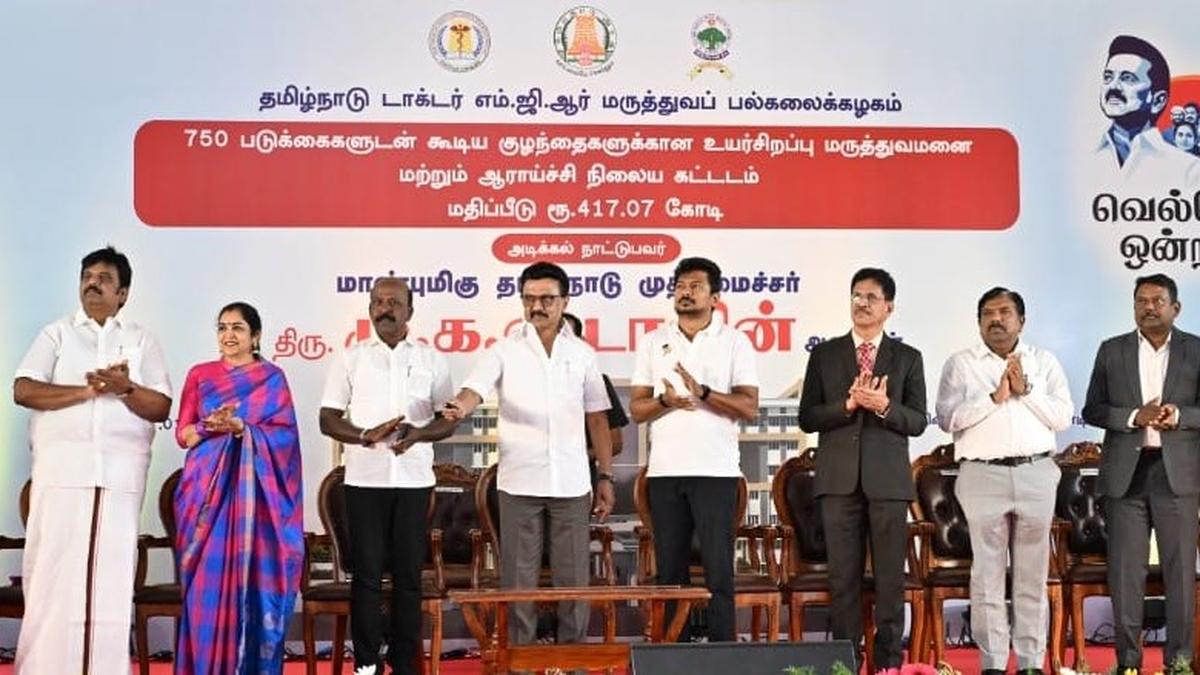
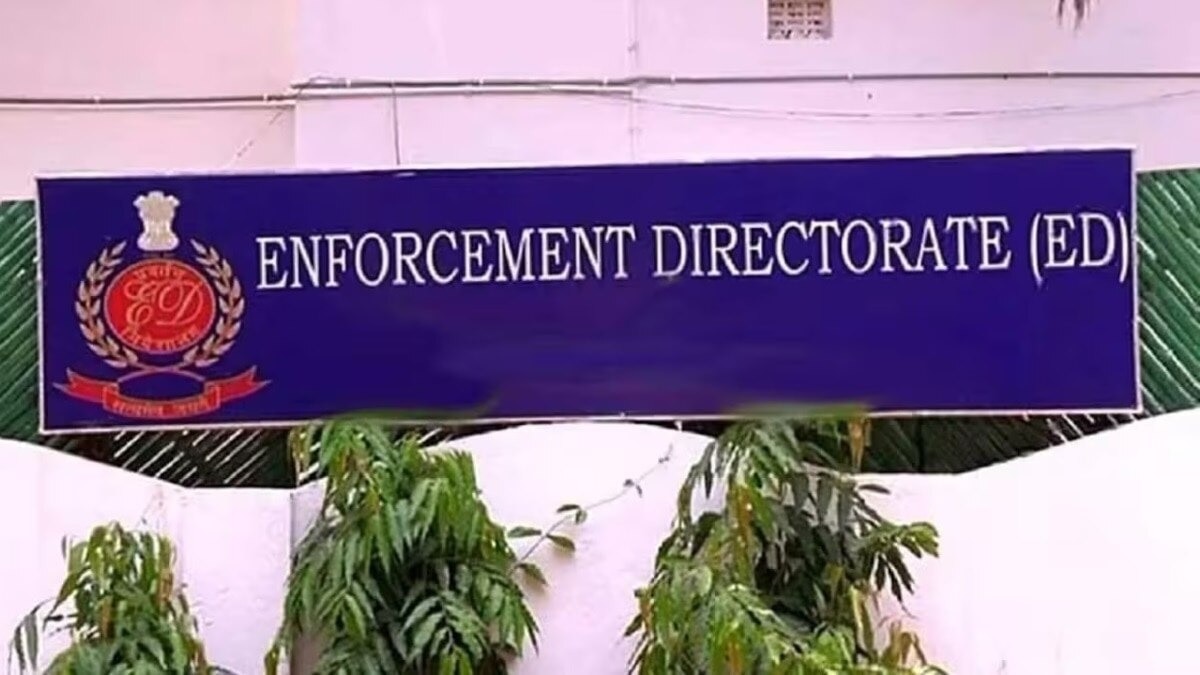
The Enforcement Directorate has accused Tamil Nadu’s Municipal Administration and Water Supply (MAWS) minister and veteran DMK leader, K N Nehru, of running what it describes as an extensive and organised system of corruption in the transfer and posting of government officers and engineers, citing digital evidence, financial trails and alleged laundering of hundreds of crores of rupees.
In a communication dated January 14, sent to the Director General of Police, the Director of the Directorate of Vigilance and Anti-Corruption, and the Chief Secretary of Tamil Nadu, the central agency claims to have uncovered “many instances of bribes being collected for the transfer and posting of government officers/engineers in MAWS” and pressed the state authorities to register a criminal case immediately, The Indian Express has learnt.
“The present note deals with evidence relating to corruption in the transfer of Government Officers/Engineers of MAWS” by “Nehru and his associates”, the ED wrote.
Story continues below this ad
Nehru told The Indian Express that he did not want to comment as he did not yet have clarity on the matter. “All these matters are under inquiry. I do not wish to comment at this stage, as I do not yet have clarity on the details,” Nehru said.
According to the ED’s letter, the evidence flows from search operations conducted in April 2025 at premises linked to Nehru’s relatives and close associates in Chennai, Tiruchy and Coimbatore. The searches were carried out in connection with an alleged money laundering probe arising from a CBI-registered bank fraud case, but the ED said the digital material seized during those raids revealed evidence of an entirely different set of offences.
Story continues below this ad
“The documents, digital devices and records seized were analysed/scrutinised during the course of investigation,” the agency said. “While many evidences related to the case searched were recovered, evidence related to other activities, which amounts to a different scheduled offence, have also been discovered,” it said.
Those discoveries, the ED claimed, included “photos, WhatsApp chats, documents, etc recovered from the digital devices seized during the search operations,” which, when analysed together, “clearly show that there were many instances of bribes being collected for the transfer and posting of government officers/ engineers in MAWS”.
“This detailed report consisting of all the evidence… shows collection of bribes ranging from Rs 7 lakh to Rs 1 crore (depending upon the post/place of posting) from various officers/engineers by close associates of K N Nehru,” the letter alleges.
Story continues below this ad
The ED claimed it had identified “about 340 officers/engineers whose transfer/posting orders were found in the phone of the close associates of Nehru,” calling this “direct evidence of bribe collection in transfers and postings of officers/engineers of MAWS”.
“The evidence discussed in this report is a small part of a much larger transfer and posting scam in Government Departments,” the agency alleged.
Beyond the alleged bribe-taking, the ED claims to have traced how the proceeds were laundered. In a section titled “Summary of Direct Evidence of Money Laundering”, the agency attributes Rs 365.87 crore in laundered funds to Nehru, his family and close associates.
Story continues below this ad
The ED stressed repeatedly that the alleged transfer-posting racket came to notice incidentally, “when investigations were being done in a different case against a few individuals”.
The original bank fraud case that triggered the searches was later closed after the loan was repaid under a one-time settlement, and the ED’s own Enforcement Case Information Report in that matter was quashed on what the agency termed a “technical basis”. Yet, it argued, that did not erase the independent evidence of corruption unearthed during the searches.
“Since large evidence/information/material related to corruption by K N Nehru… were found in the searches conducted, the evidence was transferred to other relevant cases and is being sent… for initiation of necessary criminal action through registration of FIR,” the letter said.
Story continues below this ad
“It may be appreciated that ED can investigate an offence of money laundering only when a schedule offence is registered by a law enforcement agency,” the ED wrote, forwarding the material under section 66(2) of the Prevention of Money Laundering Act.
To reinforce the obligation, the ED quoted extensively from the Supreme Court’s 2022 judgment in Vijay Madanlal Choudhary v Union of India. “On receipt of such information, the jurisdictional police would be obliged to register the case by way of FIR if it is a cognizable offence,” the letter said, adding that a failure to do so could invite further legal action.
“The act of not registering an FIR when actionable evidence is provided would amount to knowingly assisting the accused in the generation of proceeds of crime,” it said, cautioning that such conduct could attract liability under section 3 of PMLA.
Story continues below this ad
“Any person [including a government officer] who knowingly assists the accused… would be guilty of money laundering,” the ED wrote.
The letter comes amid long-running tensions between central investigative agencies and Opposition-ruled states, with Tamil Nadu’s ruling party having repeatedly accused the ED of political targeting. The searches conducted last year had already sparked sharp reactions from state leaders, who questioned their timing and intent.



 English (US) ·