

 1 hour ago
3
1 hour ago
3
ARTICLE AD BOX
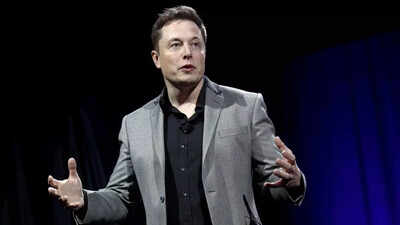
Elon Musk (Image source: Reuters)
Elon Musk, the entrepreneur behind SpaceX and the artificial intelligence company xAI, has unveiled one of his most ambitious plans yet. During an all-hands meeting with xAI staff on Tuesday, February 10, Musk announced a proposal to establish a manufacturing facility on the Moon that would build satellites equipped with advanced computing capabilities.
According to The New York Times, Musk described the Moon as a necessary step in gaining a competitive advantage for future AI systems, saying simply, “You have to go to the Moon.”The idea involves constructing a lunar factory that could produce satellites outfitted with hardware designed to support artificial intelligence workloads. These satellites would then be launched into space from the Moon using a large launch mechanism called a mass driver, which uses electromagnetic forces rather than conventional rocket fuel.
Musk suggested that this approach could help xAI access computing power beyond what is possible with Earth-based data centres.This announcement comes at a time of major change for Musk’s business empire. SpaceX and xAI are merging their operations. This is a move to combine their rocket launch capabilities with their work on artificial intelligence. The new company is getting ready for an initial public offering (IPO), which could happen as soon as June 2026.
Musk has not publicly shared detailed engineering plans or timelines for the lunar factory concept, but the outline he provided has drawn significant attention.
Elon Musk proposed AI satellite factory on the Moon at the xAI meeting
Musk’s interest in space infrastructure is not new. His company, SpaceX, has been working to make space launches much cheaper since it was founded in 2002. They do this by using reusable rockets like the Falcon 9 and the next-generation Starship. SpaceX has also worked on NASA's Artemis program, which aims to send people back to the Moon and set up long-term operations there.In recent months, Musk has publicly shifted some focus toward lunar projects. Reuters reported that SpaceX is prioritising the development of a “self-growing city” on the Moon over earlier plans that emphasised Mars colonisation. Musk has said that establishing a lunar settlement could be achievable within a decade due to the Moon’s relative proximity and frequent launch windows compared with Mars.This shift marks a notable change from earlier statements when Musk characterised the Moon as a secondary objective and Mars as the ultimate destination.
Spaceflight plans involve using Starship to support both lunar and Martian missions. Starship is a heavy-lift launch vehicle that can carry big loads to deep space destinations. It is a key part of SpaceX's current plan.The suggested lunar AI factory could connect orbital infrastructure with plans for long-term settlement. Building satellites on the Moon and sending them into space could lessen our dependence on Earth's deep gravity well, which makes it very expensive to launch things from Earth.
One reason people have looked into lunar manufacturing as a possible future technology is that the Moon has less gravity and no atmosphere.
Ideas like lunar mass drivers come from research that goes back to the planning of space exploration in the 1970s and beyond.
What Elon Musk said about AI computing and the Moon
Musk said at the meeting that moving AI infrastructure into space could help solve problems that terrestrial data centers have. Space-based satellites equipped with computing hardware could tap continuous solar power and operate with fewer constraints than ground-based facilities.
According to news reports, Musk said it is difficult to predict what highly advanced AI systems might do, but that establishing lunar manufacturing capabilities could give his companies an edge.The merger between xAI and SpaceX merges two very different technological domains. xAI was founded to build advanced AI systems capable of pushing the boundaries of current machine intelligence. SpaceX's knowledge of launching rockets and satellites makes it possible to put infrastructure into orbit around Earth and beyond.
Musk wants systems that can support AI models that keep getting bigger without being limited by Earth's power and cooling needs.SpaceX's Starlink and other satellite networks already cover the whole world for communications, making them one of the company's most successful business ventures. Including satellite manufacturing on the Moon in bigger AI plans hints at a future where space has a bigger role in the world's computing infrastructure.








 English (US) ·