

 1 hour ago
4
1 hour ago
4
ARTICLE AD BOX
Last Updated:June 25, 2026, 07:00 IST
Emergency was imposed on June 25, 1975, by PM Indira Gandhi and lasted until March 21, 1977, a period widely regarded as one of the darkest phases in Independent India’s history.
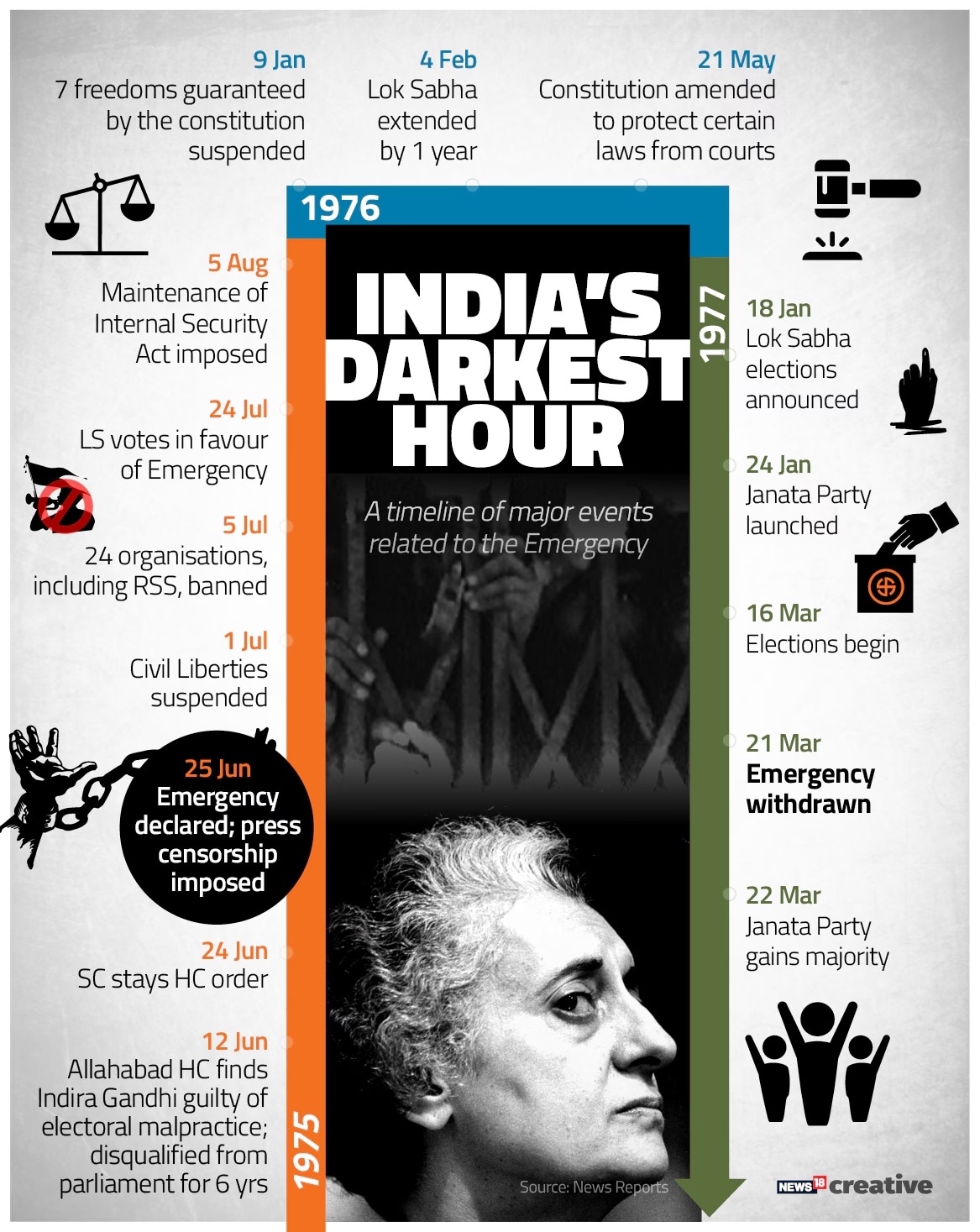
On June 25, 1975, Emergency was declared in India, marking a major turning point in the country’s democratic history. (Image: News18 Creative)
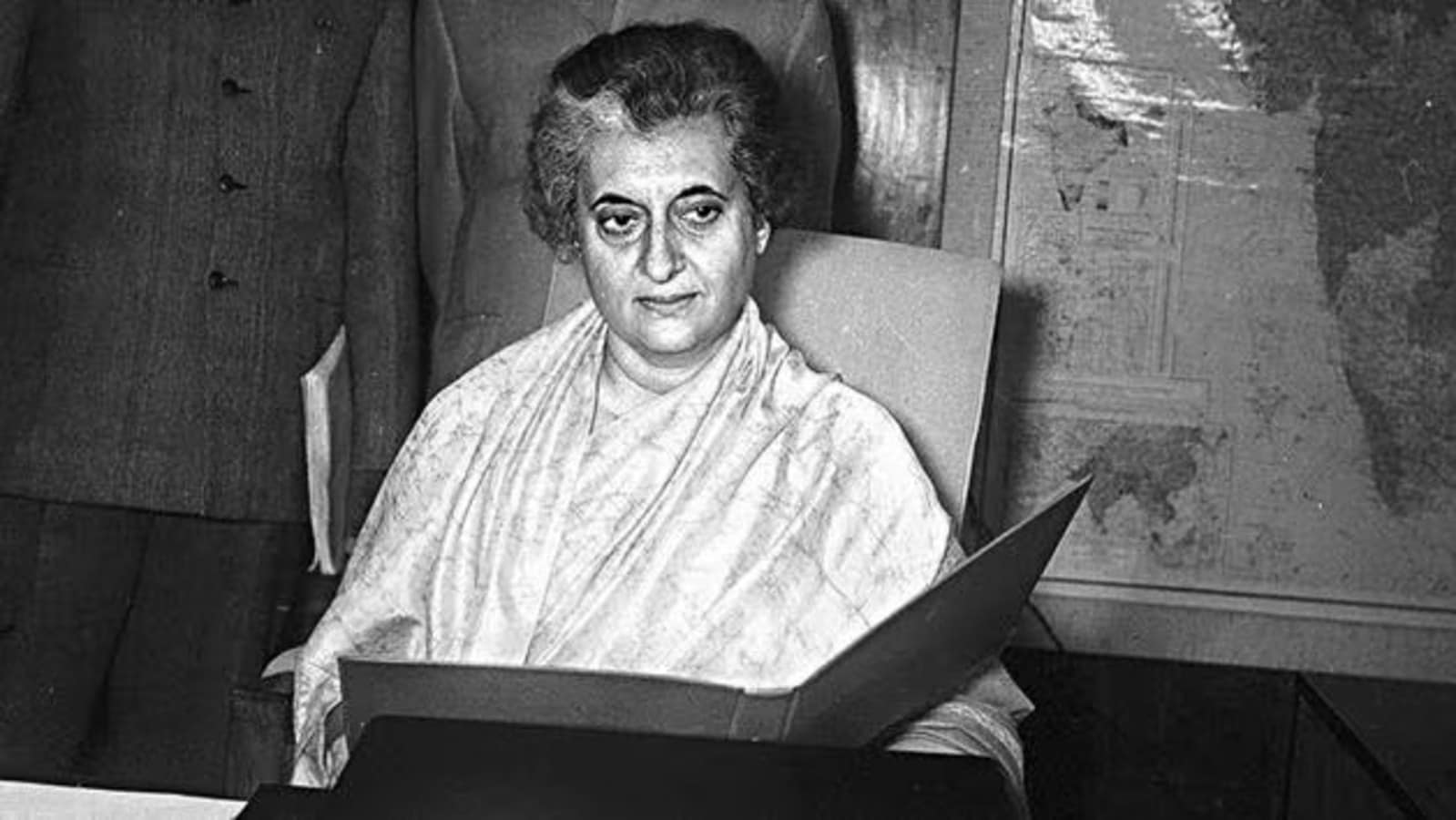
The Emergency was triggered after the 1975 Allahabad High Court verdict found Prime Minister Indira Gandhi guilty of electoral malpractice in the 1971 elections, leading to a major political crisis.
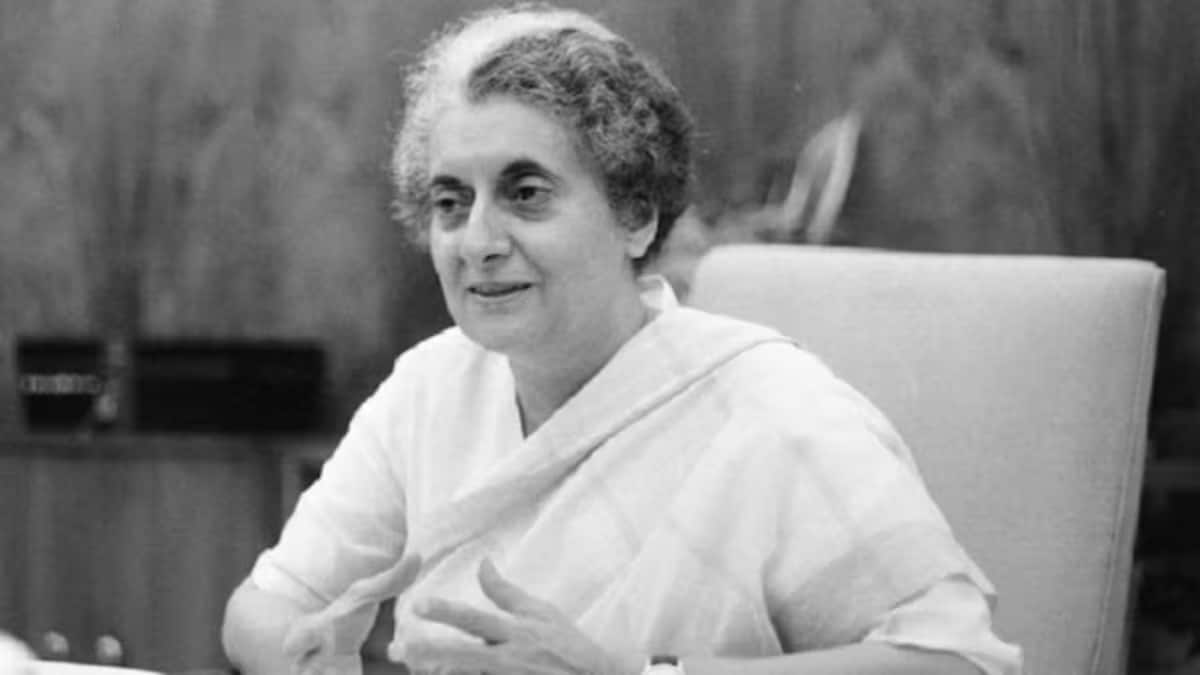
Indira Gandhi’s attempt to overturn the High Court verdict did not bring full relief, even as legal proceedings continued in the Supreme Court.
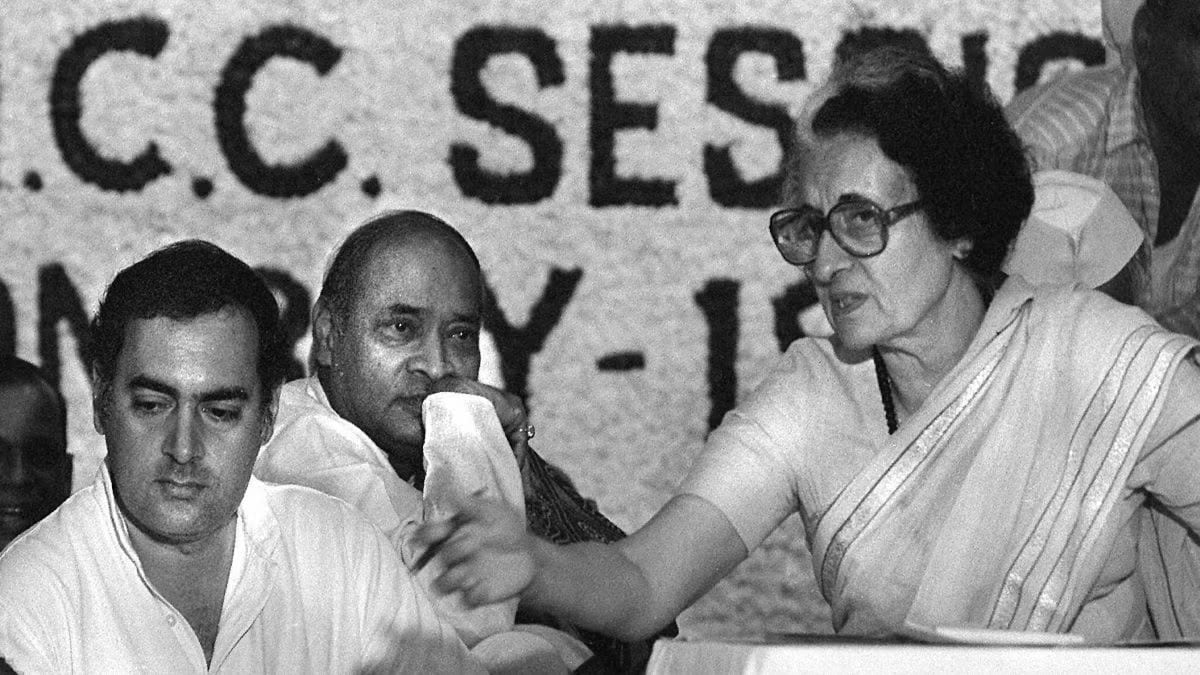
On June 24, 1975, the Supreme Court suspended her privileges as an MP but allowed her to continue as Prime Minister, a position that gave her executive authority during a tense political phase.
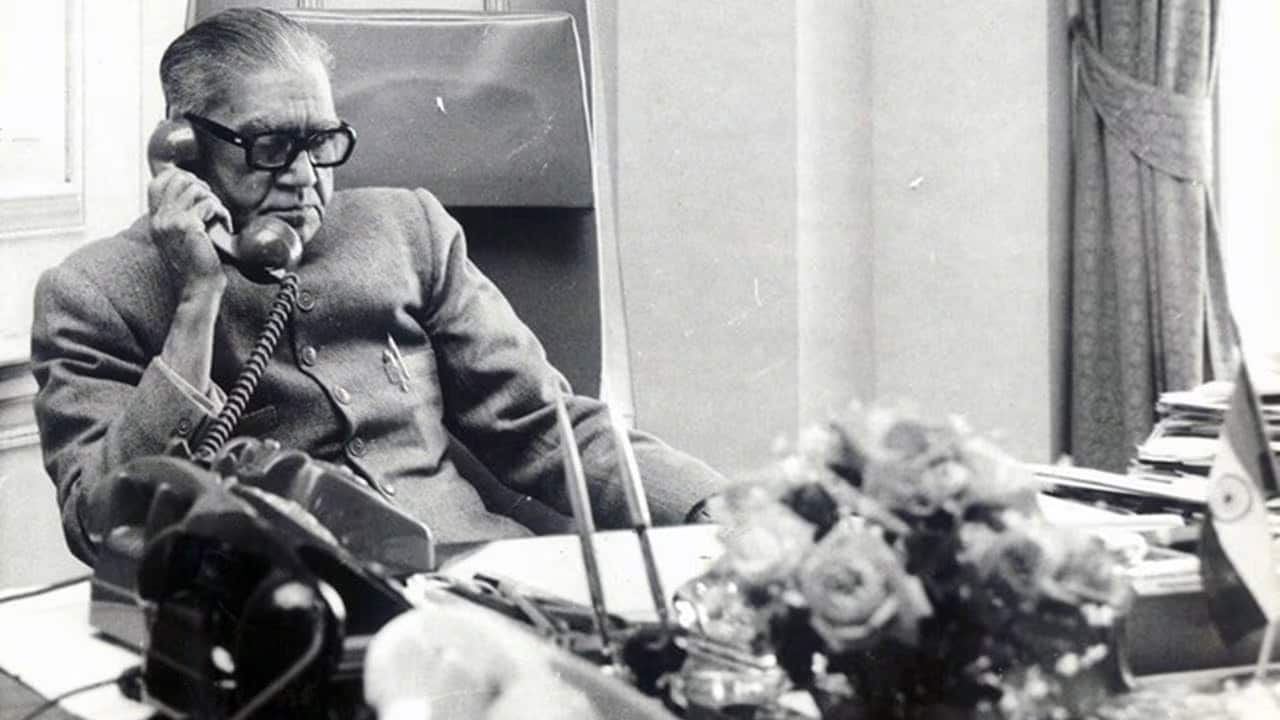
Around midnight on June 25, 1975, President Fakhruddin Ali Ahmed (in pic) signed the proclamation declaring a national Emergency citing “internal disturbance,” linked to the ongoing political movement led by Jayaprakash Narayan.
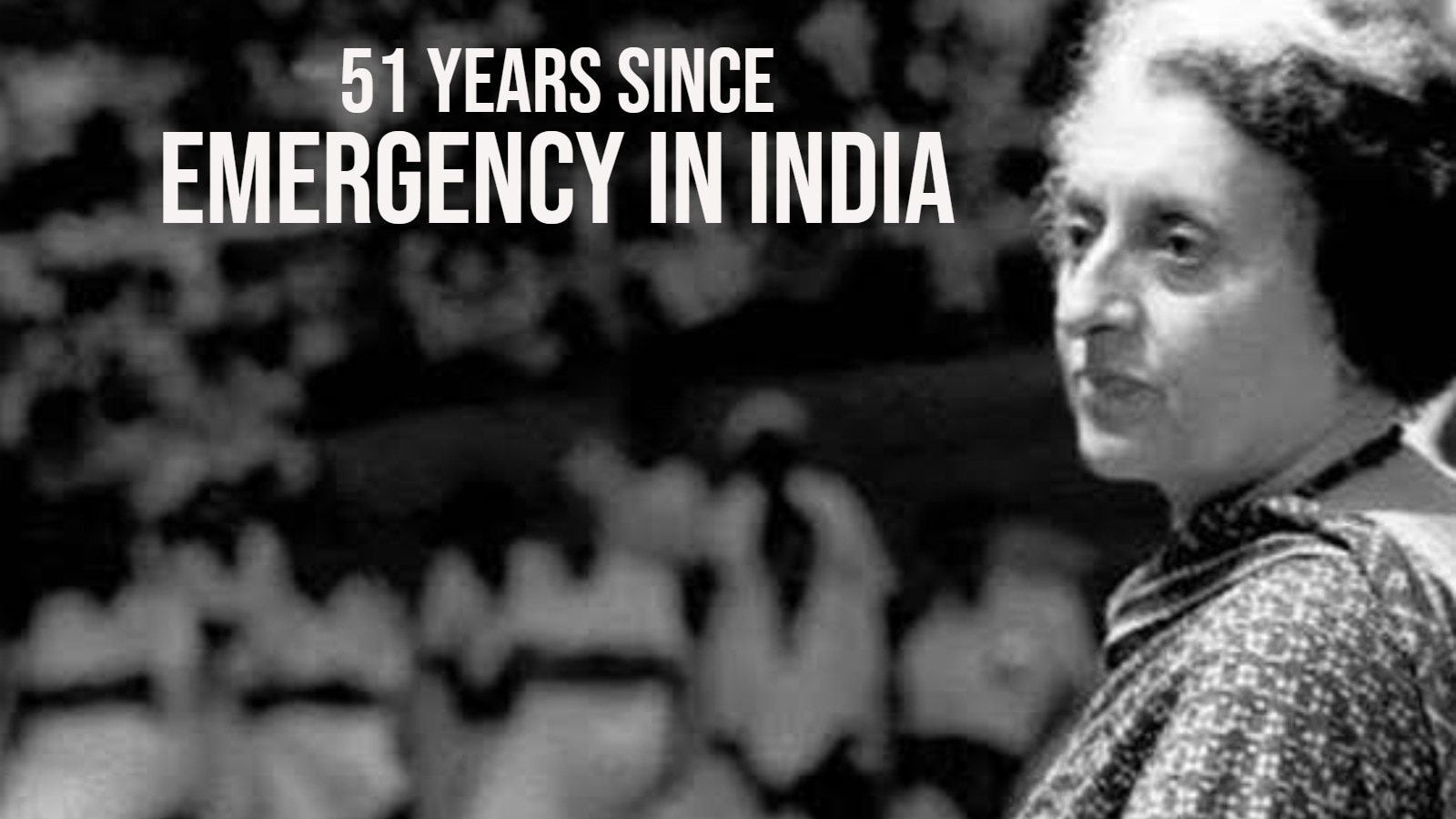
Prime Minister Indira Gandhi’s leadership during the Emergency period reshaped India’s political and administrative structure.
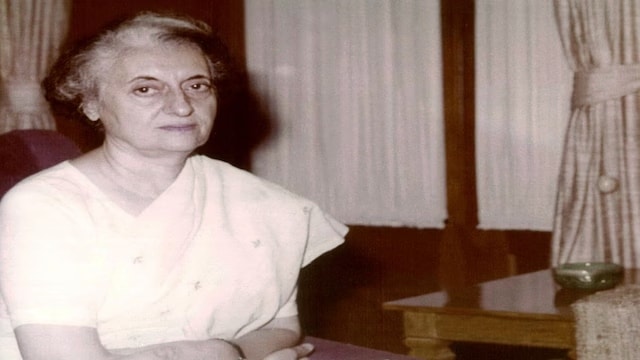
Fundamental rights were curtailed as civil liberties came under strict government control during the Emergency.

Media censorship became a defining feature of the Emergency, with strict control over newspapers and reporting. (AI photo)
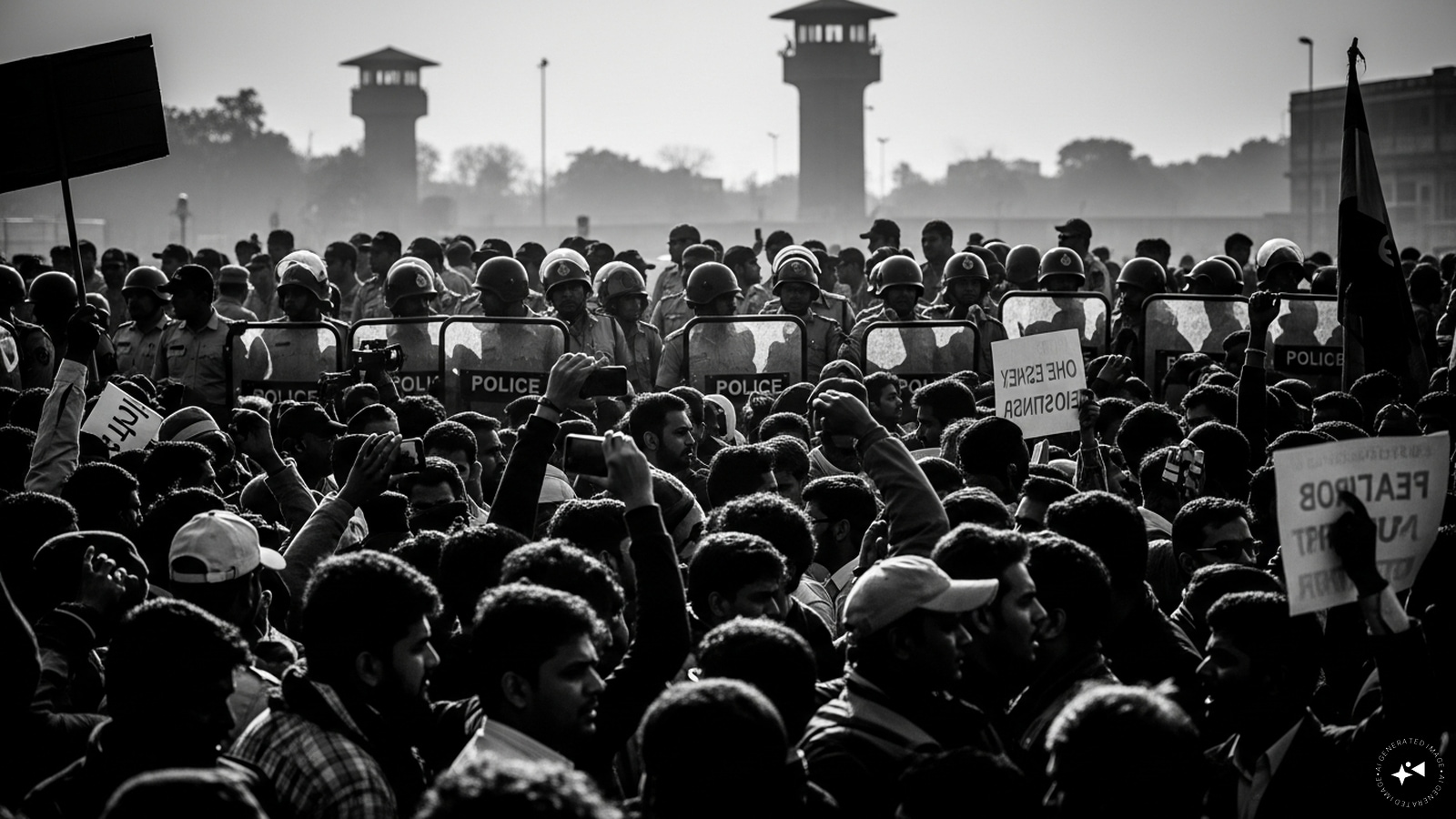
Several opposition leaders were arrested, while protests and resistance continued despite restrictions across parts of the country. (AI photo)
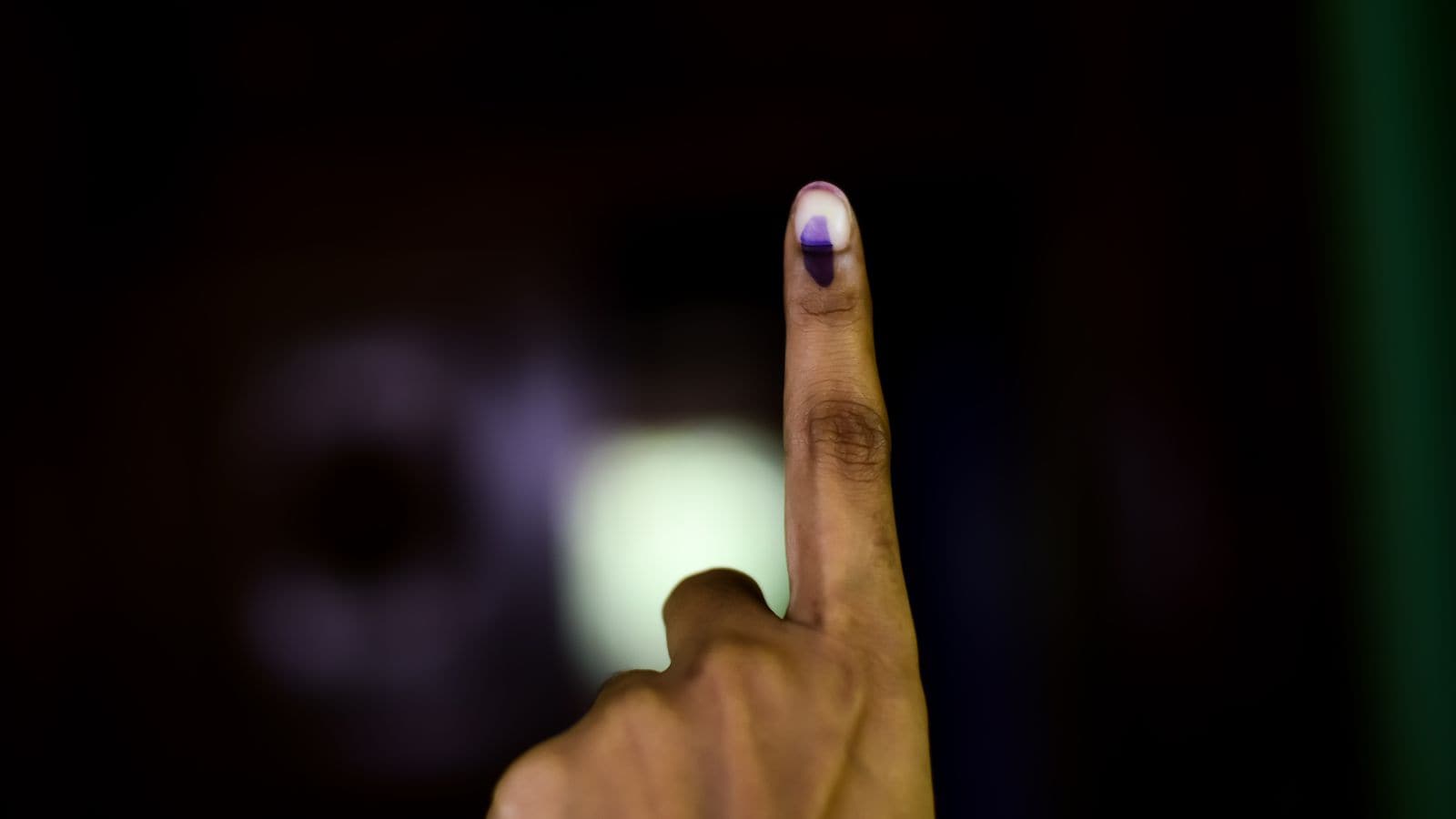
The Emergency ended on March 21, 1977, leading to the restoration of democracy and general elections in India. (Pic for representation)
News Photogallery india Emergency In India: 51 Years Since 21 Months That Changed Democracy







 English (US) ·