

 1 hour ago
4
1 hour ago
4
ARTICLE AD BOX
Last Updated:April 25, 2026, 19:31 IST
Previously, AAP’s 10-member bloc was a vital component of the opposition's strategy to stall bills in the Upper House


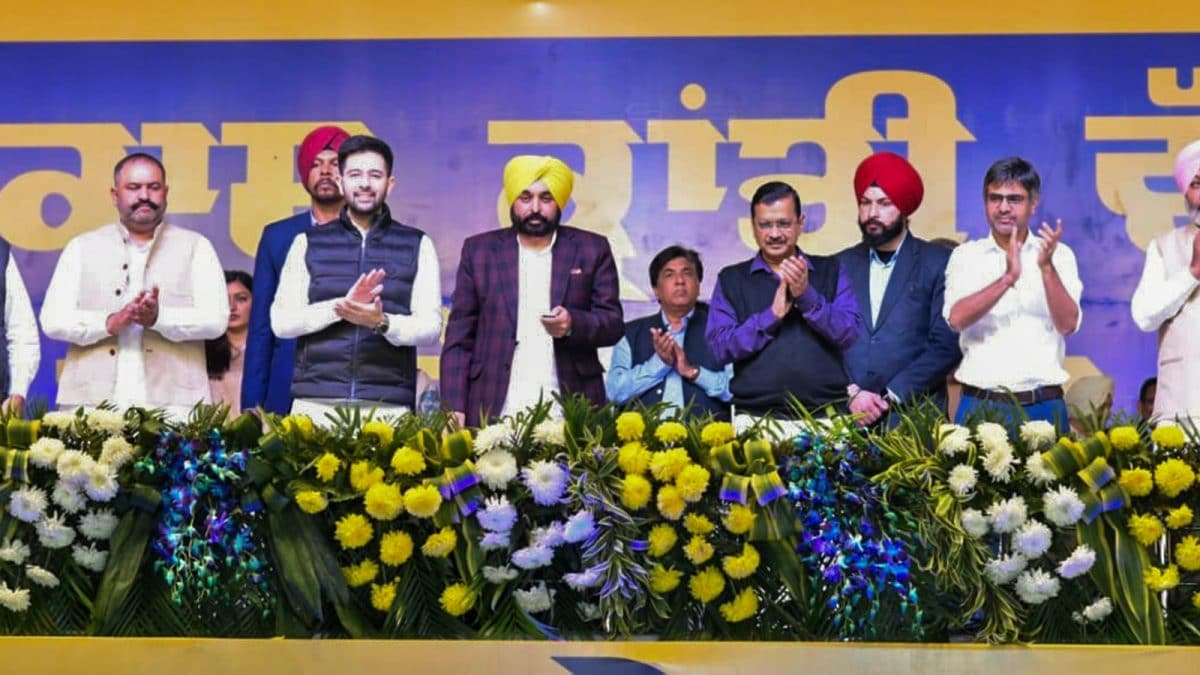
Chadha, Pathak and Mittal went to the BJP headquarters in New Delhi on Friday and joined the ruling party. File image/X
The mass defection of seven Aam Aadmi Party (AAP) Rajya Sabha members on Friday has done more than just cripple Arvind Kejriwal’s legislative presence; it has fundamentally redrawn the power map of the Upper House. Led by Raghav Chadha and Sandeep Pathak, the group hit the “magic" two-thirds threshold required to merge with the Bharatiya Janata Party (BJP) without facing disqualification. The numbers suggest that the ruling National Democratic Alliance (NDA) may have finally secured the elusive “total control" it has sought for over a decade.
Where does the BJP/NDA stand after the AAP exodus?
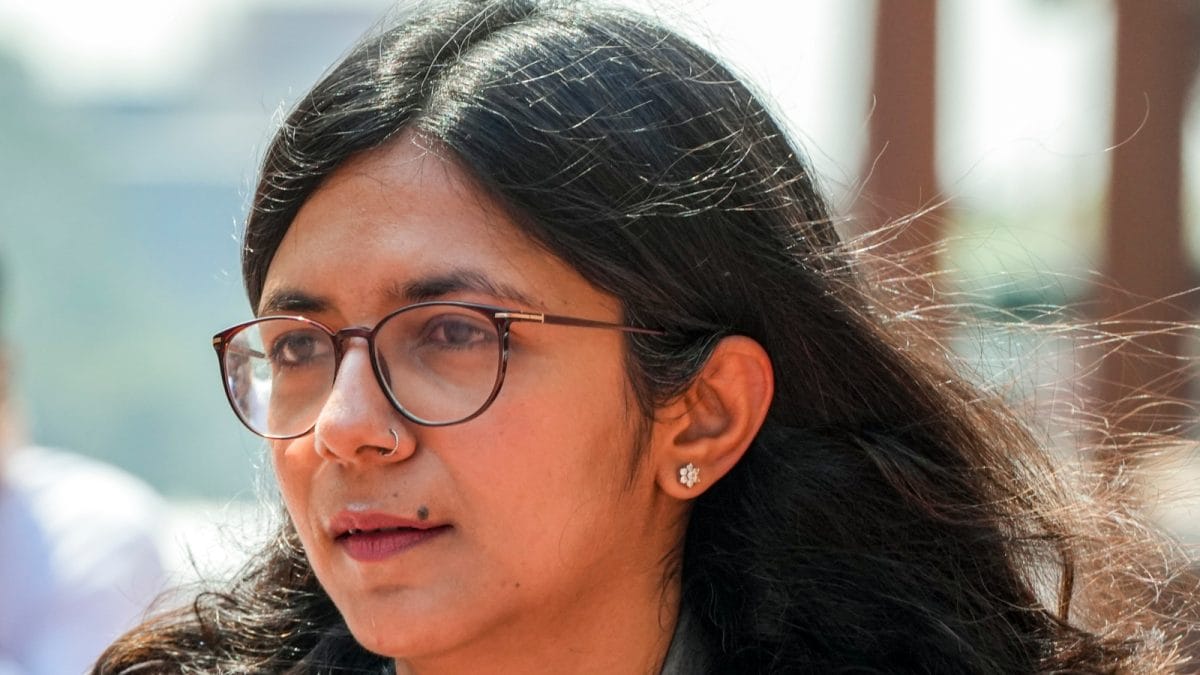
Before the Friday exodus, the BJP’s strength in the Rajya Sabha was hovering around 106 members, with the broader NDA sitting at roughly 121. The apparent addition of the “AAP Seven“—comprising Raghav Chadha, Sandeep Pathak, Swati Maliwal, Harbhajan Singh, Ashok Mittal, Vikram Sahney, and Rajendra Gupta—catapults the BJP’s individual strength to 113.
More crucially, the NDA’s collective tally surges to 128. In a House with a functional strength of 243 members, the majority mark is 122. With 128 seats, the NDA would be comfortably clear of the simple majority mark. This is a historic shift; for the first time since the era of the single-party Congress dominance, the ruling coalition no longer needs to rely on “neutral" regional parties to pass contentious ordinary legislation.
How far is the NDA from a two-thirds majority?
While a simple majority is a massive win for day-to-day governance, the “Holy Grail" of Indian parliamentary power remains the two-thirds majority required for constitutional amendments. For a full House of 245, this “super-majority" stands at 164 votes. Even with the windfall from the AAP exodus, the NDA would remain 36 seats short of this target.
This gap means that while the government can now pass ordinary bills with ease, major structural changes—such as the “One Nation, One Election" framework or a formal overhaul of the delimitation process—will still require the BJP to build bridges with non-aligned parties or wait for future biennial cycles.
How does this change the legislative landscape?
The immediate impact of this 128-seat dominance is the “death of the veto" for the opposition INDIA bloc. Previously, AAP’s 10-member bloc was a vital component of the opposition’s strategy to stall bills in the Upper House. With that bloc reduced to just three loyalists, the opposition’s ability to force a bill into a select committee or trigger a close-run division vote has evaporated.
For the Narendra Modi government, this clear majority would mean a “green signal" for high-stakes legislative priorities that fall under ordinary law. Whether it is the implementation of the Uniform Civil Code (UCC) or further refinements to the Income Tax Act 2025, the government can now steer its agenda through the “House of Elders" with the same velocity it enjoys in the Lok Sabha.
Handpicked stories, in your inbox
A newsletter with the best of our journalism
First Published:
April 25, 2026, 19:31 IST
News explainers End Of Opposition Veto? How AAP Exodus Rewrites Rajya Sabha Maths In Favour Of BJP & NDA
Disclaimer: Comments reflect users’ views, not News18’s. Please keep discussions respectful and constructive. Abusive, defamatory, or illegal comments will be removed. News18 may disable any comment at its discretion. By posting, you agree to our Terms of Use and Privacy Policy.
Read More







 English (US) ·