

 1 hour ago
3
1 hour ago
3
ARTICLE AD BOX
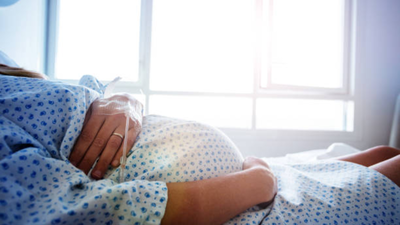
For many women, period pain is something you’re told to “tough out.” But for those with endometriosis, it’s a whole different story. Endometriosis happens when the tissue similar to the lining of the uterus grows outside it, and it doesn’t follow the rules of a normal cycle.
And the pain? It can be relentless, cramping that feels deeper than usual, stabbing back pain, nausea, fatigue that makes even small tasks feel exhausting. But the impact goes beyond physical discomfort. Jobs, social life, even simple plans with friends or family can get derailed because the pain shows up without warning.For some women, endometriosis makes conceiving a child a challenge. For others, the constant pain, bloating, and heavy bleeding start to affect mental health.
Anxiety, irritability, and depression aren’t uncommon. And because the symptoms overlap with normal menstrual discomfort or other conditions, it often takes years to get a proper diagnosis. Women find themselves bouncing between doctors, being told it’s “just stress” or “normal period pain,” and that delay only makes the condition harder to manage.So why is awareness still low? Part of it is cultural. Talking openly about periods, pain, or reproductive health is still taboo in many communities.
Women shrug off their symptoms, thinking it’s something they should endure. And even in the medical community, endometriosis hasn’t always been prioritized the way other conditions have. Research is growing, but it’s still not as visible in public health conversations as it should be.
The result is a lot of women navigating this alone, feeling isolated, and sometimes questioning themselves.Dr. Nikita Trehan is a Gynecologist and Laparoscopic Surgeon with over 20 years of experience in Gynae Endoscopy and Minimally Invasive Gynaecology at Sunrise Hospital, Delhi shared with TOI Health a case study on endometriosis. “A 28-year-old girl was referred to me from Khatima, Uttarakhand. She was married for 10 years and was unable to conceive. In addition to infertility she also suffered from severe pain during periods, while having sex, and while passing motion and urine. She was able to pass only liquid motion, as she was suffering from a condition called “ENDOMETRIOSIS”,” says Dr Nikita Trehan.The doctor said the girl was on multiple medications for 8 years but with no response.
The pain was so severe that she needed IV painkillers and was unable to go to work or carry out her day-to-day activities.“The prevalence of endometriosis has greatly increased in young women due to environmental toxins (EDCs) and plastics & plasticizers. This lady was completely investigated with an MRI and DTPA scan. The endometriosis was found to be invading her intestine and a large 9 cm segment of intestine was cut, removed and the two ends joined by laparoscopy.
Additionally, the tubes (ureters) taking urine from the kidney to the urinary bladder were also involved on both sides.
Both the ureters were freed, but as her right kidney had already failed due to endometriosis, it was removed by the urologist (DTPA scan report),” the doctor said. “The urinary bladder endometriosis was also removed and the bladder was restitched. As all this was done by keyhole surgery (laparoscopy), the patient recovered in 3 days and went back home.”“Now, 14 months later, the patient is healthy with no pain and no complaints, and no need for any medication. The patient says she is “free” and feels light and free of chains, released from the nightmare of endometriosis. The best part is that she is now 4 months pregnant, making this case close to my heart, as liberating an entangled endometriotic patient has given her a new lease of life. Though, I have one guilt, if the patient would have reached me earlier, I would have saved her right kidney,” the doctor said.
Environmental toxins are responsible for endometriosis
Dr Nikita Trehan says endometriosis is a chronic recurrent condition the prevalence of which is increasing rapidly worldwide due to environmental toxins and young girls in their reproductive age group are suffering from it steadily some key points that should be spread to the general public are:
- Avoid medical gaslighting. Young girls are often told by their friends and family that excessive menstrual pain is normal and everyone gets it and why are they overreacting. This is not correct as although the young lady may seem absolutely normal on the outside the pain of endometriosis can be very debilitating and unattended can damage her essential organs like kidney and intestines (as in our patients case) and ovaries.
- Every attempt should be made to avoid plastics as they contain EDC s (plastic water bottles, plastic containers for food etc) and dioxin free sanitary napkins should be used
- Repeated surgeries should be avoided. Endometriosis should only be operated in centres of excellence by minimally invasive (keyhole surgery) where the entire disease should be completely removed . So know your doctor and the team (urologist Gastrosurgery specialist and Gynae lap surgeon) before going for this procedure. Else the patient ends up in repeated incomplete procedures.
Awareness isn’t just about knowing the word “endometriosis.” It’s about recognizing when pain isn’t normal, seeking help without shame, and having doctors listen and investigate properly. It’s about understanding that living with this condition doesn’t make someone weak or dramatic. And slowly, conversations are happening, online forums, support groups, social media stories, women sharing their real experiences.
But there’s a long way to go before most women feel seen, heard, and taken seriously when it comes to endometriosis.






 English (US) ·