

 2 hours ago
7
2 hours ago
7
ARTICLE AD BOX
Diego Maradona never repented his “Hand of God”; not because he thinks he didn’t cheat, but because it was scored against England. He wrote in his autobiography, weighing his two goals in the 1986 World Cup quarterfinals, the other arguably the greatest of the century: “I sometimes think I preferred the one with my hand.”
The Falklands War was just four years old, and both nations were feeling the gripes and wounds. Maradona called the victory “revenge”.
He said: “Although we had said before the game that football had nothing to do with the Malvinas war, we knew they had killed a lot of Argentine boys there, killed them like little birds. And this was revenge.”
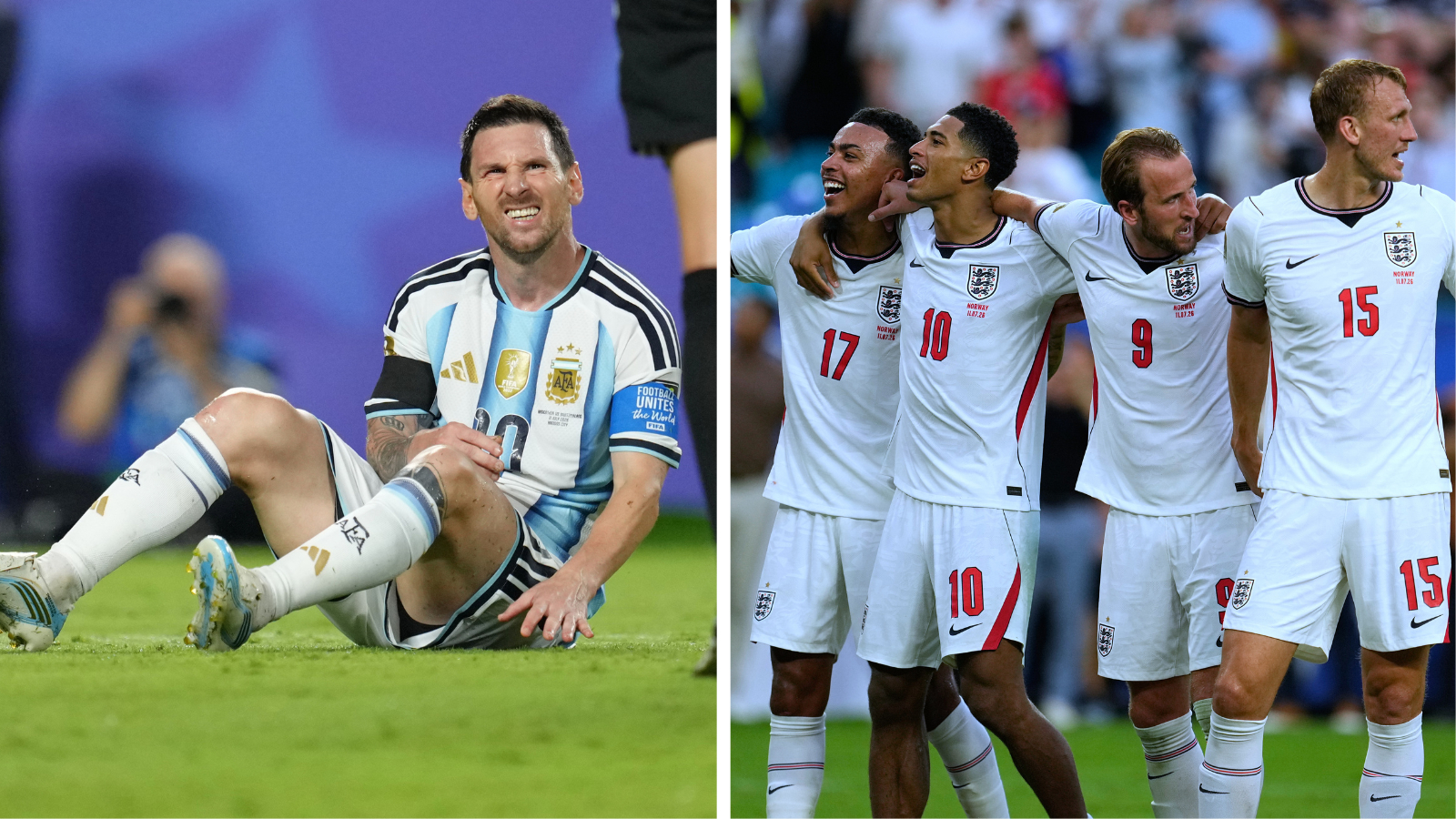
There are rivalries in sport marked by genuine sporting feuds; some defined by political and cultural antipathy; some stewed by colonial friction; some found on clashing sporting ideologies. England versus Argentina after 24 years at the grand stage — the World Cup semifinals in Atlanta on Wednesday — is all these threads bound into a single, riveting narrative. Unfailingly, no encounter has passed peacefully and without incident. And no duel has passed without the old devils raising their heads again.
Maradona’s “Hand of God” is unforgotten and unforgiven; nostalgia splashed when England revisited Azteca in Mexico City for the Round-of-16 game against Mexico. When they beat the co-hosts 3-2, England felt like a symbolic exorcism of a curse. But the real redemption would be if they end Lionel Messi’s march in Atlanta. David Beckham’s red card in 1998 for fouling Diego Simeone, both a regular presence in the VIP box this tournament, has been a metaphor of Argentina practising the dark arts.
ALSO READ | Making of ‘Spider’: In Messi’s shadow, how Alvarez became Argentina’s hero
Story continues below this ad
Years later, Simeone admitted, guilt-free, that he had conned the referee. “I had tackled him, and we both fell to the ground. As I was trying to stand up, that was when he kicked me from behind. And I took advantage of that. And I think any person would have taken advantage of that in just the same way,” he told Observer Sports Monthly.
Beckham exacted revenge at their next meeting, in the 2002 edition, with the lone goal of the game. That was the last time they met on the global stage.
The cards themselves were introduced after an ill-tempered game between them in the 1966 quarterfinals, which England won 1-0. Argentina captain Antonio Rattin, who passed away on Friday at the age of 84, was sent off for two offences in the space of two minutes. He refused to leave the ground, pulled the referee’s shirt and threatened to “punch him”.
After the game, players pushed each other in the tunnel and the local police had to intervene. One of them urinated in the tunnel. Rattin fumed after the game: “It was clear that the referee played with an England shirt on.” Roberto Ferrero attacked the referee and Ermindo Onega spat in the face of Fifa vice-president Harry Cavan.
Story continues below this ad
When fullback George Cohen was about to swap his shirt, manager Alf Ramsey shouted: “George, you are not changing shirts with that animal.” Later, some of Argentina’s players flung chairs at the England dressing room. When a policeman tried to stop them, an orange was thrown at his face. Allegations of referees favouring England was a broader theme of the World Cup.
Fans clashing is natural, and not just at an England-Argentina game. It’s anywhere the fans meet. A video of England and Argentina supporters hitting each other during the Norway-England quarterfinal in Miami this time is just a sample. After Argentina’s 3-1 win over Switzerland, the supporters chanted: “El que no salta es un ingle,” translated as “the one who doesn’t jump is an Englishman.”
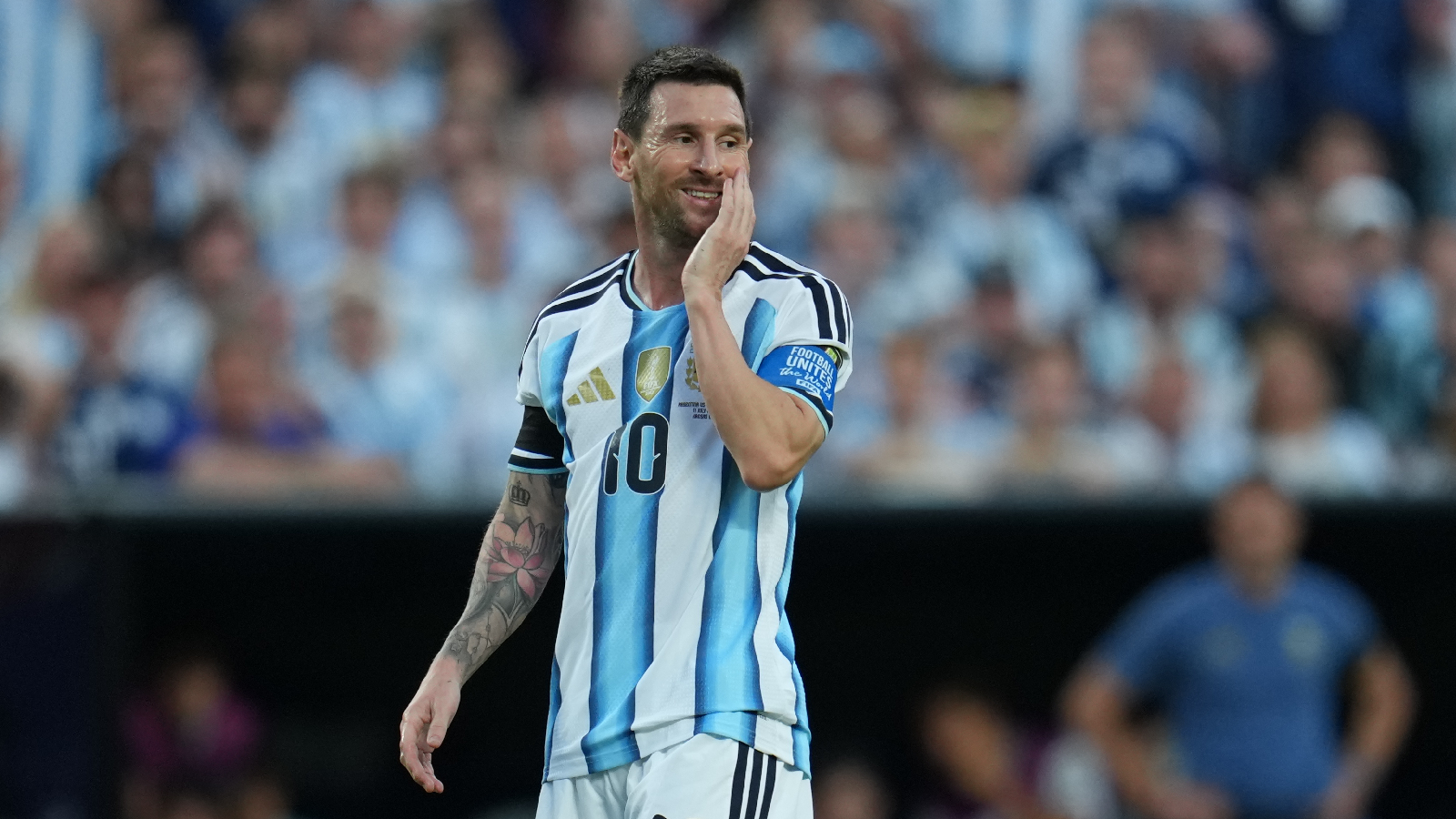
Their stadium anthem “Muchachos”, originally a song by Argentine band La Mosca Tse-Tse, has references to the Falklands War. The blood of Messi and his troops might not boil over the war as much as Maradona’s generation, but it still sparks emotional nationalism. The battle over two islands in the Atlantic lasted 10 days, but the symbolic conflict still lives on the football ground. England fans are not saintly either; in Qatar, in a non England-Argentina game, they crooned: “Maradona is a cheater.”
Story continues below this ad
Underpinning all the friction is an antithesis of sporting style. The heart of Argentinian football is a style called “criollo”, a game based on individuality and flair, rather than the disciplined and regimented style English settlers, the founding fathers of football in Argentina, had imposed on the locals. Juan Peron, when he became president in 1946, would say: “We nationalised the railways, and now we have nationalised football!”
Over the years, Argentina incorporated a more physical and pragmatic side to the game, professed by legendary manager Carlos Bilardo. They perceived Englishmen as soft at heart. “English players are more naive. Our game is more calculating,” former footballer and columnist Roberto Perfumo, would say. “We study a rival more closely, we look for ways to destroy him. One of our approaches, for example, is to study a player’s weak points so we can try and make him angry. Because in football, if you get angry, you lose.”
England players might no longer be naive, nor are they as faint of heart as they once were. And they have no stage more fitting to prove that the psychological damage that Argentina has inflicted on their mind is past.



 English (US) ·