

 4 days ago
6
4 days ago
6
ARTICLE AD BOX
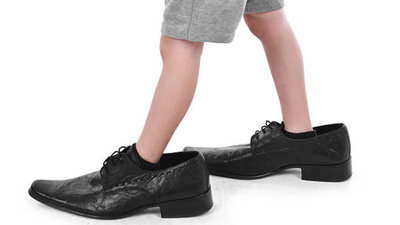
In India, shoes for children are often viewed as a necessity or durability purchase rather than a frequent fashion or specialised item, with an average of 2 pairs per capita vs 3 for the globe and 6 for developed countries.
The insight is in the purchase practice of oversized shoes for kids that remains deeply embedded in the desire to maximise the value and accommodate the rapid growth of the feet. Though well-intended, this approach has significant underlying risks that parents need to understand, as improper shoe sizing extends far beyond simple discomfort—it can fundamentally alter a child’s physical development.
The reality of children’s foot growth
While the shoes bought for children are seen as a solution for the next 1 to 2 years, however, factually, their feet grow by a millimetre monthly, thus requiring the shoe size assessment every 4 to 6 months.
More importantly, children’s feet transform from birth to adolescence. At birth, the child’s foot is barely 7.6 cms, composed almost entirely of soft cartilage, which begin to form into bones by the age of 3, and the process of the entire biomechanical foundation continues until 18 years of age, with complete fusion occurring by 22 years.
Certain studies on Indian school children indicate that a significant percentage have been wearing incorrectly sized shoes owing to multiple reasons, like improper measurement, bigger size, etc.
Research suggests that children in poorly fitted shoes demonstrate longer step lengths, increased ankle motion, and reduced foot flexibility.What’s more concerning is that about 70% of adult foot problems originate from childhood footwear choices. The bunions, flat feet, and chronic pain that patients experience in their midlife often trace back to shoes that didn't fit properly decades earlier.
The insole myth
It has been found that to solve the fitting of oversized shoe insoles are added by the parents, and that trend has been growing, which usually is acceptable for minor adjustments, but not appropriate for feet if the size of the shoe exceeds by a number bigger than the current size.
One must know that usually insoles were introduced to serve certain orthopaedic foot conditions; however, in the case of kids, this makeshift solution may lead to foot instability, poor support, and altered step movement.
What parents need to know?
Consider also that Indian children walk and run more than a couple of thousand kilometres annually in their school shoes. That's almost 2 -2.5 times more distance than many adults cover. Footwear isn't just another purchase—it's the single most-used product in a child's daily life.
What needs to be observed?
Proper shoe fit means providing adequate room for natural growth without creating the problems associated with excessive space. On a broader scale, leave 12-17 millimetres (about half to three-quarters of a thumb's width) between your child's longest toe and the shoe's end provide adequate room for natural growth without creating the problems associated with excessive space. Check the fit every three to four months. This means purchasing shoes more frequently; however, consider what you're actually investing in: your child's lifelong foot health, proper skeletal development, and freedom from chronic pain.Look for breathable materials suited to India's climate, flexible soles that allow natural foot movement, proper arch support, and sturdy heel counters that provide stability. Function must take priority over fashion—trendy shoes that don't fit properly are no bargain.
New solutions for old problems
With recent innovations addressing the economic realities that Indian families face, shoes under ₹1000 Expandable shoes with grooved soles that adjust as feet grow are now available in India, typically priced between ₹1,800 and ₹2,600.
While this may seem expensive initially, these shoes eliminate the need for multiple purchases and, more importantly, protect developing feet.After 30 years in this industry, our organisation learned that proper footwear isn't about luxury—it's about foundation. The feet your child develops now will carry them through their entire life. Every oversized shoe, every compromised step, every compensatory movement pattern becomes part of their physical story.The money you save buying shoes that are too large will be spent many times over on podiatrists, orthopaedic interventions, and pain management later. More importantly, you cannot put a price on the simple freedom of moving through life without foot pain.Invest in proper fit. Measure regularly. Prioritize function. Your child's feet—and their future selves—will thank you.







 English (US) ·