

 2 hours ago
8
2 hours ago
8
ARTICLE AD BOX
Last Updated:February 28, 2026, 23:32 IST
The trajectory for the coming weeks appears to be one of intense mutual attrition rather than a return to the negotiating table


Iran launched retaliatory attacks after joint US-Israeli strikes. (Image/Reuters)
West Asia has entered a period of unprecedented volatility yet again following a massive, coordinated military strike by the United States and Israel against Iran on Saturday. This operation, codenamed Epic Fury by Washington and Lion’s Roar by Jerusalem, represents the most significant escalation in the region in decades, effectively transitioning a long-standing “shadow war" into a direct, large-scale kinetic conflict.
The Trigger: A Diplomatic Deadlock
The immediate catalyst for the strikes was the collapse of indirect nuclear negotiations in Geneva. Despite weeks of intense mediation by Omani and European diplomats, the Trump administration concluded that Tehran was using the talks as a “stalling tactic" while simultaneously reviving its uranium enrichment programme.
In his State of the Union address earlier this week, President Trump labelled the Iranian regime an “imminent threat", citing intelligence that Tehran had crossed a “red line" in its development of intercontinental ballistic missile (ICBM) technology. When a final “take-it-or-leave-it" ultimatum regarding the total dismantling of the Natanz and Fordow facilities was rejected on Friday, the window for diplomacy slammed shut.
Operation Epic Fury: The First Wave
The joint assault began in broad daylight on Saturday morning—a tactical choice designed to catch Iranian air defences during a shift change and to ensure maximum visual impact for the Iranian public. Over 200 fighter jets and a massive naval armada, led by the USS Gerald R Ford and USS Abraham Lincoln, targeted more than 500 sites across Iran.
Key targets included:
Command and Control: The secure compound of Supreme Leader Ayatollah Ali Khamenei in Tehran and the Presidential Palace were reportedly struck, though the 86-year-old leader had reportedly been moved to a “secure location" hours prior.
Nuclear Infrastructure: Sustained strikes were reported at Isfahan, Natanz, and the Parchin military complex, aiming to set back Iran’s nuclear ambitions by years.
Missile Industry: Manufacturing hubs in Karaj and Kermanshah were targeted to “annihilate" Iran’s ballistic capabilities.
The ‘Truthful Promise 4’ Retaliation
Tehran’s response was swift and multi-pronged, launched under the banner of Operation Truthful Promise 4. Within four hours of the initial strikes, the Islamic Revolutionary Guard Corps (IRGC) unleashed a barrage of ballistic missiles and “suicide" drones.
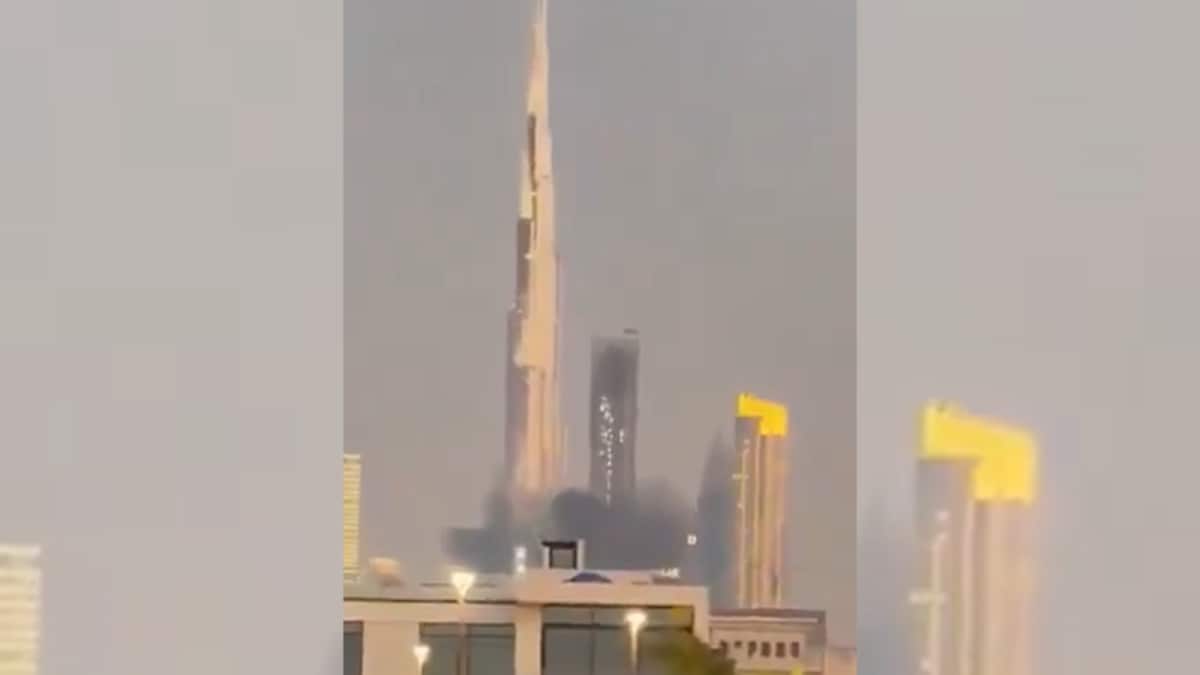
Unlike previous escalations, Iran targeted not only Israel but also American strategic assets across the Gulf. Significant impacts were reported at the US Navy’s 5th Fleet HQ in Bahrain and the Al Udeid Air Base in Qatar. Regional allies were also caught in the crossfire; shrapnel from intercepted missiles caused casualties in Abu Dhabi, while Jordan reported multiple interceptions over its northern territory.
Internal Vulnerability and the Protests
A critical component of the US-Israeli strategy appears to be “regime destabilisation". President Trump’s public appeal for the Iranian people to “take over your government" coincides with a period of profound internal domestic unrest. Large-scale anti-government protests have been recorded in over 100 Iranian cities since early 2026, driven by economic collapse and a brutal crackdown on dissent. By striking the symbols of IRGC power in broad daylight, the coalition hopes to embolden these protesters to trigger a domestic collapse of the clerical establishment.
What Lies Ahead: A Period of Attrition
As of Saturday evening, the “initial phase" of the joint attack is projected to last at least four days, but analysts at Chatham House and other strategic think tanks warn that this is unlikely to be a “short war".
Regional Widening: The risk of Hezbollah in Lebanon or the PMF in Iraq opening a “second front" remains the primary wildcard. If these proxies join the fray, the conflict could engulf the entire Levant.
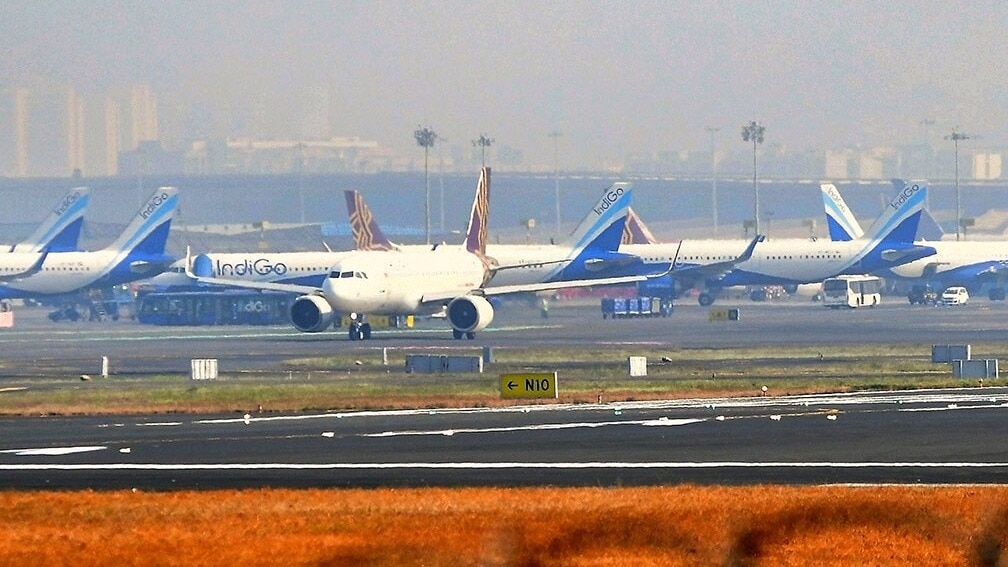
Energy and Global Markets: With major hubs like Dubai International Airport halting flights indefinitely and the Strait of Hormuz effectively a combat zone, global oil prices are expected to spike, potentially triggering a worldwide economic shock.
Nation-Building vs Attrition: The Trump administration has signalled it does not seek “boots on the ground" or long-term nation-building. However, history suggests that collapsing a regime is far easier than managing the vacuum that follows.
The world now watches the United Nations Security Council, which is set to hold an emergency meeting. India on Saturday urged all sides to prioritise civilian safety and resolve tensions through dialogue and diplomacy. However, with the US and Israel committed to a “pre-emptive" doctrine, the trajectory for the coming weeks appears to be one of intense mutual attrition rather than a return to the negotiating table.
First Published:
February 28, 2026, 23:32 IST
News world Epic Fury, Lion’s Roar: The Day West Asia’s Cold War Turned Hot
Disclaimer: Comments reflect users’ views, not News18’s. Please keep discussions respectful and constructive. Abusive, defamatory, or illegal comments will be removed. News18 may disable any comment at its discretion. By posting, you agree to our Terms of Use and Privacy Policy.
Read More






 English (US) ·