

 1 hour ago
3
1 hour ago
3
ARTICLE AD BOX
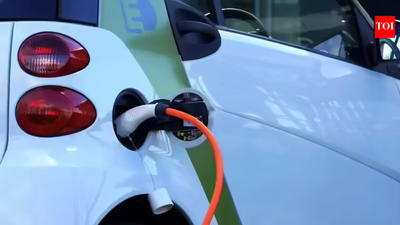
Electric vehicle (EV) adoption in India is increasing across metros and smaller cities, driven by government incentives, rising fuel prices and expanding charging infrastructure.
However, ownership brings both benefits and constraints, with buyers often facing practical challenges after purchase. EVs offer lower running costs and reduced maintenance, but require higher upfront investment and depend on evolving infrastructure. This report outlines the main advantages, cost implications and limitations based on current market trends and user experience.Cost advantage drives demandThe primary reason for EV adoption remains lower operating costs.
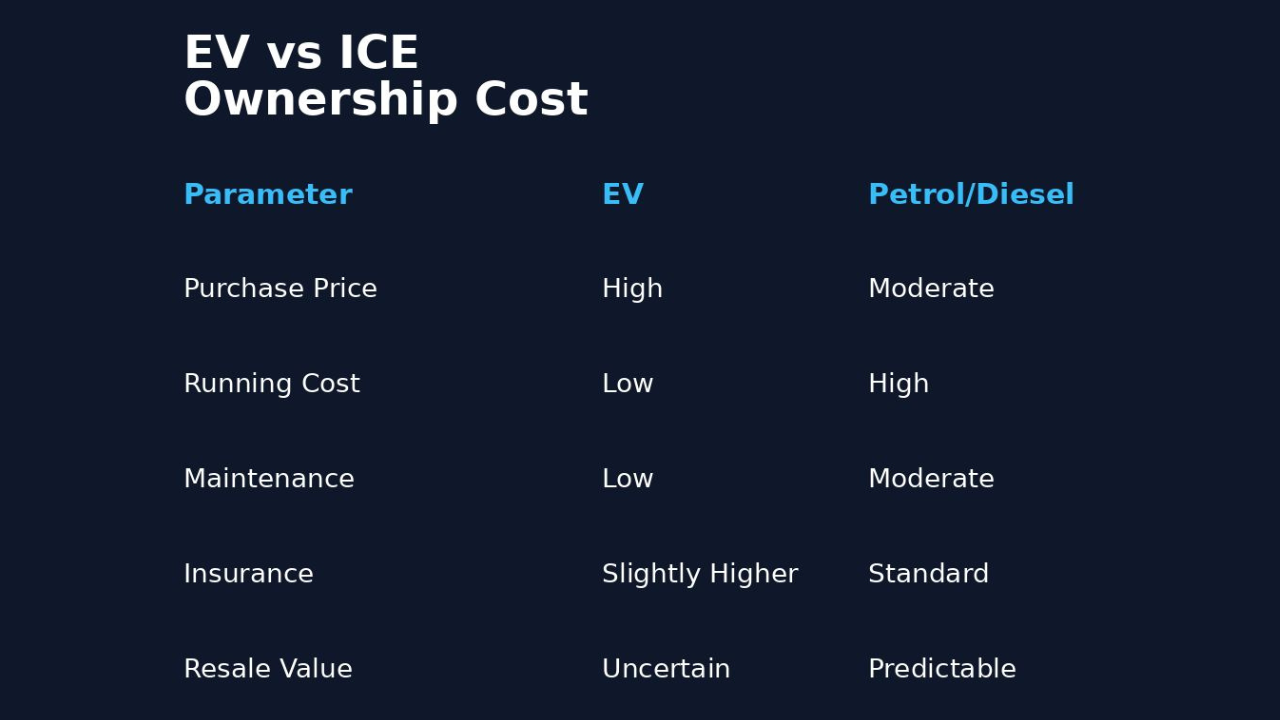
Electricity is cheaper than petrol or diesel, with EVs costing about Rs 1-Rs 2 per km compared to Rs 7-Rs 10 per km for petrol vehicles. For frequent users, this leads to significant annual savings. Maintenance costs are also lower due to fewer moving parts. EVs do not require engine oil changes and have fewer components prone to wear, reducing service frequency.
They also offer a smoother driving experience, with instant torque and quiet operation, making them suitable for city use.
Government incentives and tax benefits have further supported demand, though some states are revising these policies.Higher upfront costs remain a barrier.Despite lower running expenses, EVs are more expensive to purchase. Entry-level electric hatchbacks are priced around Rs 10-Rs 12 lakh, compared to Rs 6-Rs 8 lakh for similar petrol models. This shifts the cost burden to the initial purchase. Buyers typically recover the difference over 4-6 years, depending on usage.
The comparison table below shows that EVs reduce long-term expenses but require a higher initial investment.
.Infrastructure remains unevenCharging infrastructure continues to expand, but is not uniform. Urban areas have better access, while highways and smaller cities lag. For apartment residents without fixed parking, installing home charging is often difficult. Range anxiety also persists. Actual driving range can vary due to traffic, air conditioning use and driving style.
Long-distance travel requires planning, unlike conventional vehicles.Battery and resale concernsBattery degradation over time remains a concern. While most manufacturers offer warranties of around eight years, long-term performance and replacement costs are still uncertain. Resale value is another issue. Unlike petrol and diesel vehicles, EV resale markets are still developing. Battery health, rapid technology changes and policy shifts influence resale prices, creating uncertainty for buyers.
Watch
New Skoda Kushaq: Strong base variant strategy & more | TOI Auto
Policy changes add uncertaintyGovernment support has played a key role in EV growth, but policy changes are beginning to affect ownership costs. The introduction of road tax in some states shows a shift towards reducing incentives as adoption increases. Such changes can alter the cost-benefit equation. The usage aslo depends on location, and EV ownership experience differs by region. Urban users benefit from better charging access and service networks, making EVs suitable for daily commuting.
Rural and semi-urban users face limited charging infrastructure and longer travel distances, increasing reliance on public charging. This explains why EV adoption remains concentrated in cities.Suitable for: • Daily commuters covering 30-80 km • Urban users with home charging • Fleet and ride-hailing operatorsLess suitable for: • Frequent highway travellers • Buyers without dedicated parking • Cost-sensitive buyers prioritising low upfront pricesOwnership requires behavioural change.EV ownership involves changes in usage patterns. Refuelling a conventional vehicle takes minutes, while EV charging requires more time. Trip planning and energy management become part of regular use, which can affect convenience.
Automakers are also addressing these concerns by improving battery range, expanding charging partnerships and introducing new ownership models. Charging infrastructure is also growing, supported by private companies and energy firms.India’s EV market is still evolving.Positive factors include: • Continued policy support • Rising fuel costs • Increasing model availabilityChallenges remain: • Infrastructure gaps • High upfront costs • Limited consumer awarenessConclusionEV ownership in India offers clear advantages in running costs, maintenance and driving experience. However, higher purchase prices, infrastructure gaps and uncertainty around resale and battery life remain key concerns. The decision to buy an EV depends on usage patterns, location and long-term cost considerations. Adoption is expanding, but the transition is still in progress, with benefits and limitations coexisting for now.









 English (US) ·