

 55 minutes ago
5
55 minutes ago
5
ARTICLE AD BOX
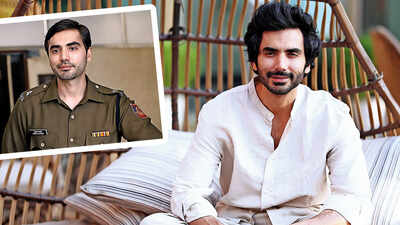
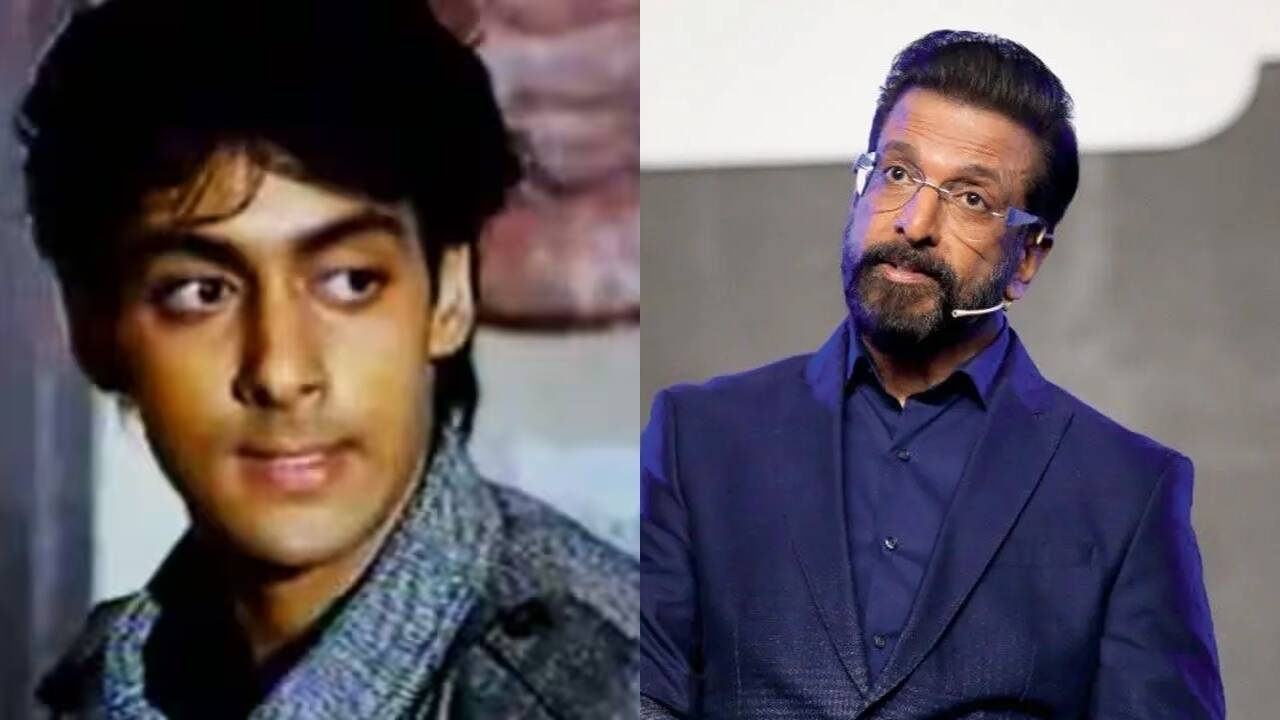
Ishwak Singh and (inset) as Imran Ansari in Paatal Lok
From designing buildings to commanding the screen, actor Ishwak Singh has charted an unconventional path driven by passion and an unwavering belief in his craft. In Lucknow for the shoot of an upcoming series, the actor reflected on his deep connection with theatre, his transition from architecture to acting, and the career-defining impact of Paatal Lok.
Speaking about his fond memories of the city Singh described Lucknow as a place that has left a lasting impression on him.
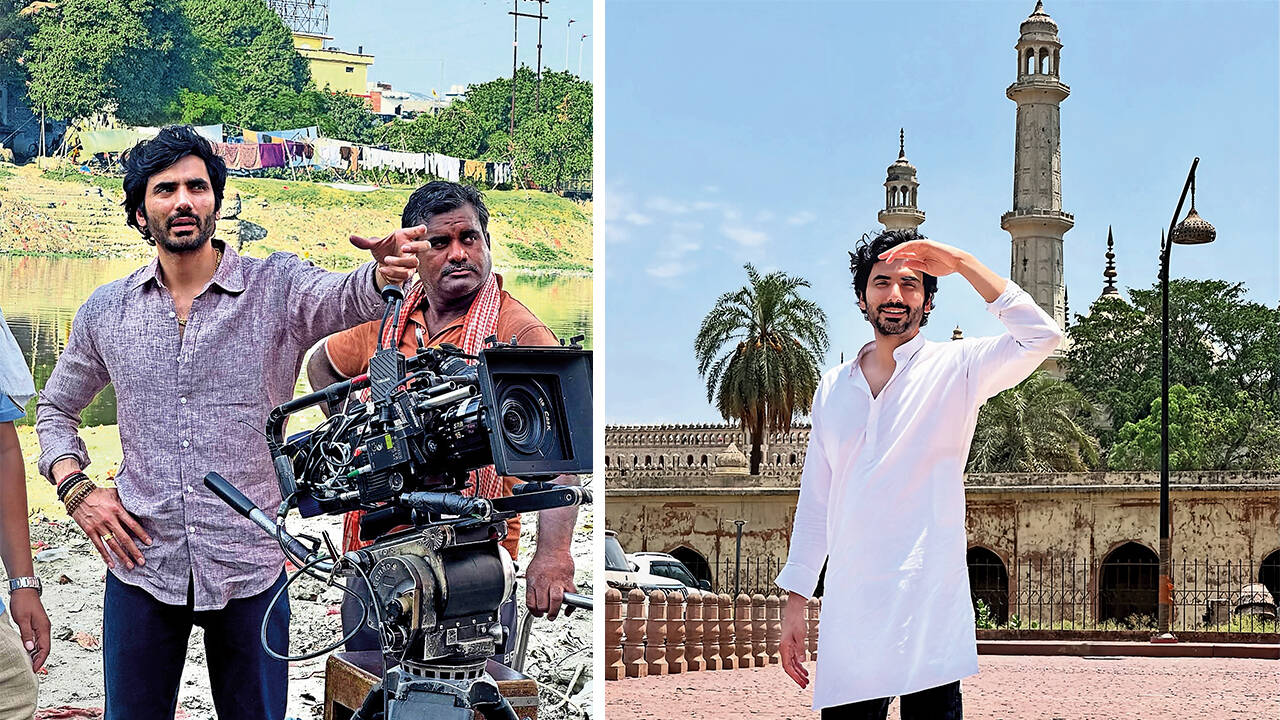
Ishwak Singh during his visit to Lucknow
Tell us about your visit to Lucknow. You’ve been here earlier?Yes, I have. The first time I came here was with a theatre production for a play titled The Last Salute by Mahesh Bhatt. The play was based on the famous shoe-throwing incident involving George Bush. We travelled across the country with the production, but among all the cities, Lucknow had the most exciting audience.
I remember getting incredible reactions and laughter for my character here. The audience was so sharp that people would often anticipate where the story was headed. That remains one of my strongest memories of Lucknow.
Then, about two years ago, I returned to shoot for a show called Mitti, which explored rural and urban life and touched upon modern farming practices. I spent nearly one-and-a-half months in and around Malihabad, shooting in the fields.
I did farming activities myself, working under the sun. It was physically demanding but also a very enriching experience.Since I am also an architect, the first place I visited during this trip was the Rumi Darwaza. I was fascinated by its architecture and grandeur. Another aspect that fascinates me about Lucknow and Uttar Pradesh is politics. UP has always been at the centre of India’s political landscape. It’s often said that the state plays a major role in deciding who becomes the country’s next Prime Minister, and that makes it a very interesting place.
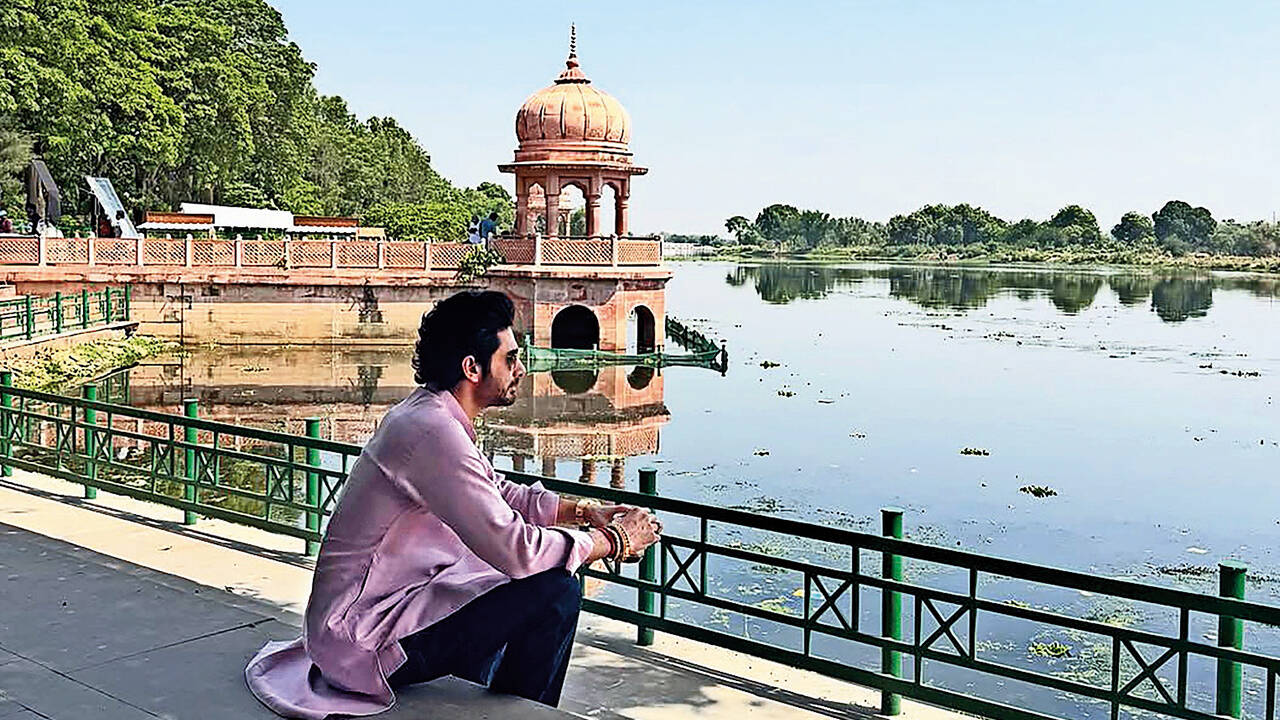
Ishwak Singh enjoying the scenic beauty at Kudiya Ghat
Tell us about the project for which you are shooting in the city.Right now, I am shooting for a show that is still working with a temporary title. Interestingly, the story isn’t set in Lucknow itself. We’ve created a fictional city inspired by this region. Since it’s not a specific place, it gives me the freedom as an actor to build and colour the character’s world in my own way. I have travelled through and read about different parts of Uttar Pradesh. I understand the distinct vibe of places like Prayagraj, Gorakhpur, Jaunpur and Lucknow.
Drawing from those experiences helps me create a more authentic and vibrant picture of the fictional setting.Being an architect, how did acting happen for you?I worked as an architect with my father and brother until 2010. But deep down, I always knew that acting was what I truly wanted to do. Even as a child, I loved performing. Whether it was in school, at home or in front of friends and family, I would create little stages for myself and perform jokes, skits or anything that entertained people.
Delhi has a very strong culture of theatre, music and the performing arts. Schools and colleges actively encourage creative expression, so that environment also played a role in shaping my interests.
Architecture came naturally because of my family background since my father is an interior designer and my brother is an architect. But I always felt something was missing, and that was performing.Eventually, I joined a weekend workshop conducted by Asmita Theatre Group in Delhi for working professionals.
The director liked my work and invited me to become part of the main theatre group. He appreciated my dedication, discipline and willingness to learn. Over the years, he continued to encourage me, and even today we remain in touch.Whenever my schedule permits, I return to theatre and do a play. For me, it’s a lifelong commitment. Theatre is a completely different medium from television, films or OTT platforms. Performing live before an audience is a unique experience and a different ball game altogether.
Ishwak Singh in Lucknow
Has the perception of theatre as merely a stepping stone to films and OTT changed?Theatre is often called a stepping stone, and honestly, it feels unfortunate to hear that. Even actors from earlier generations like
Naseeruddin Shah
,
Shekhar Suman
and so many others came from theatre and carried that training into their work. Some still return to the stage. Younger actors are rediscovering theatre, not just out of nostalgia but because they want to develop their craft. Actors like
Pratik Gandhi
continue to do plays despite their success on screen. I’ve spoken to many actors who didn’t have a theatre background and they genuinely wish they had that training.
Some have even gone back to doing plays after achieving success because they want to learn what acting really is. People often say returning to theatre is a way of paying back or paying homage, but the real reason is much simpler: the joy of performing on stage.
Theatre pushes you to grow as an actor. At the end of the day, every actor is curious about their craft, and theatre remains one of the purest places to explore it.Did you face doubts when you left architecture for acting, and how did you stay committed to that choice?At one point, people around me would constantly ask, ‘You’re a good architect, why are you doing this? Why don’t you do that instead?’ Every couple of months, the same questions would come up.
It becomes a different kind of struggle because you’re trying to hold on to your belief while everyone else is questioning it. Honestly, it wasn’t until Paatal Lok that people really started having faith in me. Career-wise, visibility-wise, recognition-wise, it changed everything.
Not that I don’t cherish the work I did before that. Every project, every role is important to me. But in the eyes of the audience, those were often passing appearances.
Paatal Lok was different. It felt like a rebirth.Before that, one of my biggest fears was not being seen despite constantly working. Every actor feels that. You know what you’re capable of, you know what your voice is as an artist, but unless you get a substantial role, you don’t really get the chance to show it. I have spent years on stage, doing performance after performance, getting immediate feedback from live audiences.
Theatre had already given me the confidence that I could perform.
What gave me was visibility. It put a spotlight on me and made people aware of the work I had been doing all along.In the age of OTT, does the big screen still hold the same allure?There’s still a huge aspiration for the big screen. Maybe it’s less about craze and more about ambition now. Because cinema is still cinema. Shows today can be layered, brilliantly written and even cinematic in their treatment, but they are not cinema in the truest sense.
Cinema is made for a communal experience. Whether it’s a large-scale spectacle or an intimate story, it is meant to be watched together. There is something special about becoming part of that culture, about being an actor people step out of their homes to watch in a theatre.
For me, that aspiration comes from the actors I grew up admiring. I’m probably one of the biggest fans of Amitabh Bachchan. And then there’s Shah Rukh Khan. If a boy from Delhi can come to Mumbai and create that kind of legacy, it inspires generations of actors to dream bigger. He has shown that someone from outside the industry can become a star who captures the imagination of an entire country. Of course, if your only goal is to improve your craft, there are many ways to fulfil that. Theatre can do that. OTT can do that. But if you are also drawn to stardom, to the idea of reaching millions of people, to the glory and scale that cinema offers, then the big screen remains the ultimate aspiration. That desire to make it at the box office, to become an actor audiences choose to watch in theatres, is still very much alive.







 English (US) ·