

 1 day ago
10
1 day ago
10
ARTICLE AD BOX
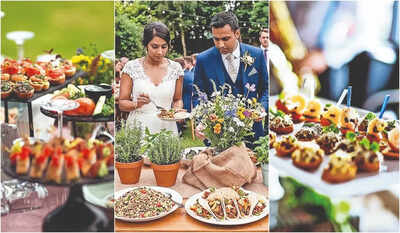
Out of all the wedding planning tasks on your agenda, finalising your menu is one of the more challenging decisions. For couples keen on serving a vegan spread—whether driven by personal dietary choices, sustainability concerns or simple curiosity—menu planning comes with extra questions.
Can a vegan menu feel indulgent? Will guests miss the ghee, paneer, and cream? And can plant-based food hold up at scale?According to chefs and catering experts, the answer is a resounding yes. With thoughtful planning, and clever ingredient swaps, vegan wedding menus are no longer “alternative”—they are aspirational.Luxury, without the ‘alternative’ labelFor high-end weddings, vegan food has become a statement of personal values and style.
Ashay Desai, assistant vice president at Catering Collective, says demand has risen sharply.“Across 500-plus weddings and corporate events, we’ve seen a clear shift towards elegant, plant-forward dining,” he says. “Couples view vegan menus not as an alternative, but as a statement of wellness, sustainability and global taste.”Exerts states, designing vegan menus begins with understanding the couple’s vision.
“We focus on abundance and indulgence, using artisanal plant-based cheeses, nut-based creams and premium global ingredients,” Desai explains. “The idea is never substitution, but storytelling.”To avoid guests feeling “experimented on”, familiarity is key. “Introduce innovation through technique and presentation,” he says.Smart swaps that work at scaleOne of the biggest misconceptions around vegan wedding food is that it relies on fragile or niche substitutes.
Vegan chef Natasha Gandhi says the key lies in choosing ingredients that behave well in large quantities. “My two favourite swaps for ghee are extra virgin olive oil and roasted sesame oil—both give warmth and scale beautifully,” she says.For creamy gravies, nut-based pastes are far more reliable than most people assume. “Cashew, almond or even melon seed pastes work very well. For low-fat needs, whipped soy yoghurt is excellent,” Gandhi explains.
Paneer-heavy menus, meanwhile, can be reimagined using “homemade watermelon seed paneer or good-quality tofu”.Sustainability beyond the plateA well-planned vegan menu can also significantly reduce a wedding’s environmental impact. “Plant-forward dining uses fewer resources, meaning lower emissions and reduced water usage,” says Desai.Chef Vrinda adds that sustainability starts with sourcing. “Seasonal, locally grown produce enhances flavour while reducing carbon footprint.
Portion-controlled service, composting and donation tie-ups also help cut waste.”Regional cuisines that make it easyCouples often worry that vegan menus will feel restrictive, but several Indian regional cuisines are naturally plant-forward. “For Indian weddings, Gujarati, Rajasthani and Kerala Sadya cuisines lend themselves beautifully to vegan menus,” says Chef Vrinda Taneja, founder of V’s Supper Stories. Gujarati shaaks, lentils and farsan typically use oil instead of ghee, requiring minimal tweaks.
Rajasthani dishes like ker sangri, gatte and bajra roti are inherently dairy-free, rooted in grains and legumes.“Kerala Sadya is already essentially vegan,” she adds. “Coconut-based dishes like thoran, olan, erissery and avial offer abundance and depth without dairy—though the flavours may not be for everyone.”The art of vegan mithaiDesserts remain a sensitive spot for many families, but chefs say traditional Indian sweets adapt surprisingly well.“Almond milk, coconut milk and cashew paste are the most reliable dairy-free bases for mithai,” says chef Natasha. “India already has naturally vegan sweets like motichoor ladoo.”She adds that classic favourites can be recreated with care. “I’ve developed vegan gulab jamun and rasmalai recipes—the rasmalai can be made using almond milk and cardamom to recreate that familiar aroma.”Appetisers that please every palateStarters are often where sceptical guests are won over. Gandhi recommends variety and balance.
“At weddings, I suggest two Indian, two international and two fusion vegan appetisers,” she says.Her crowd favourites include crispy lotus stem, chutney-stuffed sweet potato tikki, mushroom galouti and Thai-style tofu satay. “Ingredients like lotus stem, mushrooms, cauliflower and rajma feel indulgent and familiar, which is important at weddings.”
A vegan wedding menu can work across budgets, but luxury plant-based dining relies on premium produce, handcrafted cheeses and global ingredients. The final cost depends on how immersive and ingredient-led the experience is—without compromising on sophistication or style
Ashay Desai, assistant vice president at Catering Collective
In large-scale wedding kitchens, the best vegan substitutes are those that perform like traditional ingredients. Coconut milk, cashew paste and cold-pressed oils offer stability, while tofu, jackfruit and mushrooms hold well on buffets—ensuring flavour, structure and scale without feeling ‘alternative’
Chef Vrinda Taneja









 English (US) ·