

 1 hour ago
5
1 hour ago
5
ARTICLE AD BOX
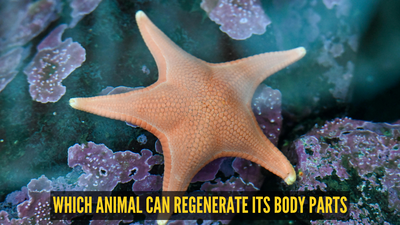
Whenever humans get a small papercut, we're stuck dealing with bandages and waiting days just for the skin to close up. But what happens when a hungry crab rips off a sea star's arm? It doesn't merely patch up the wound; it actually constructs a completely new limb from the ground up.Sea stars also known as star fish are pretty much the reigning champions of biological regeneration. For the vast majority of animals, losing a limb is devastating and permanent. For a starfish, though, it's barely a bump in the road.
21 Apr 2026 | 14:42
How do you handle situations when your teenager disagrees or argues with you?
How Exactly Do They Do It?
To understand how these creatures rebuild themselves, we need to study their anatomy. Every starfish has a “central disc”. This disc works to connect all the limbs and holds stomach, mouth and other internal organs.So, when an arm gets cut, a specific process happens:Locking Down the Wound: After getting injured the starfish immediately seals the open wound to stop vital fluids from leaking, and to block dangerous infections.The Cell Swarm: After the site is stabilized, the truly amazing part begins. A flood of specialized cells, acting a whole lot like human stem cells rushes straight to the injured area.Wiping the Slate Clean: These arriving cells essentially ditch their previous identities.
Whether they were skin or muscle tissue before, they revert into a "blastema," which is basically a cluster of unprogrammed, blank-slate cells.Reconstruction: Over the following months (and sometimes up to a year), this cellular cluster slowly sculpts a fully operational limb. It develops everything from fresh muscle tissue to complex nerve endings and those iconic tiny tube feet.Now for the craziest detail: if the torn-off arm happens to take a chunk of that central disc with it, the severed limb itself can grow an entirely new body.
Biologists call this the "comet" phase. Since you end up with one massive arm trailing four tiny new ones from its base, the animal looks exactly like a shooting star.
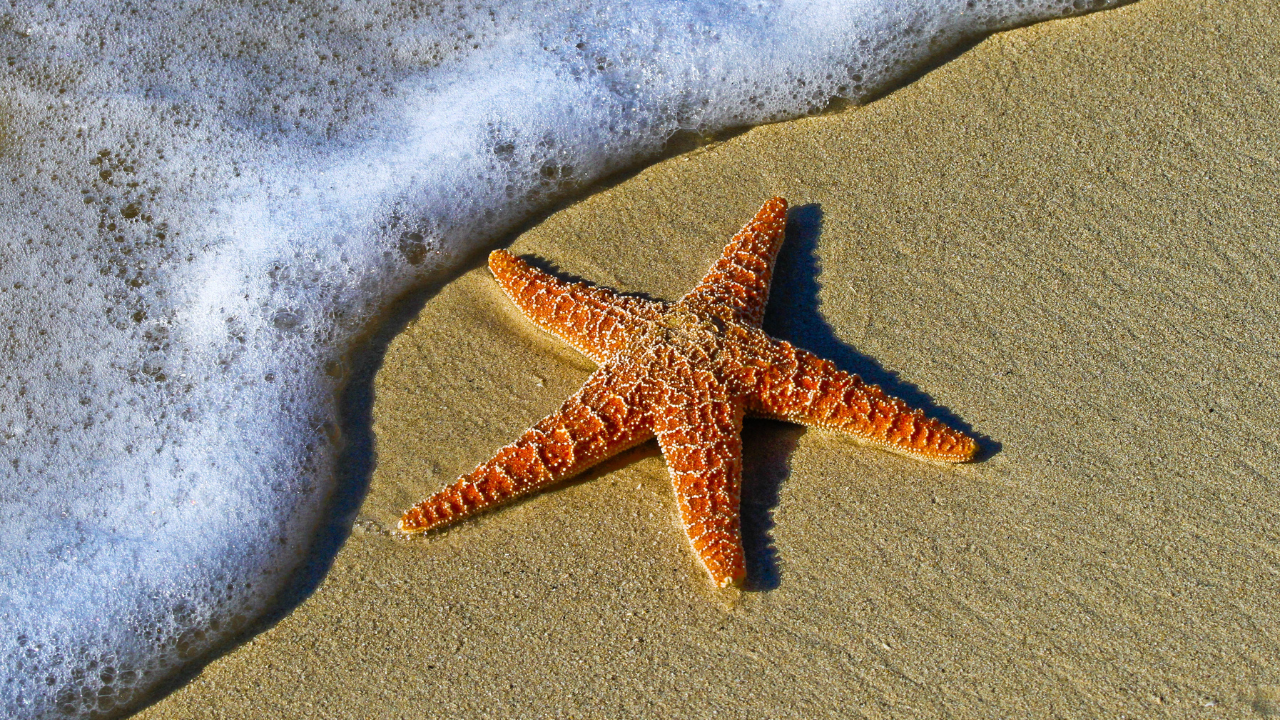
Image Credit: Canva
Other Creatures with a Biological Reset Button
Starfish might be in the spotlight, but they definitely aren't the only ones walking around with regenerative superpowers. A handful of other species pull off similarly mind-blowing tricks:Axolotls: Native to Mexico, these perpetually smiling aquatic salamanders do way more than just replace missing legs.
An axolotl can suffer damage to its spinal cord, or lose chunks of its brain and heart, and flawlessly rebuild the missing tissue without leaving a single scar.Planarian Flatworms: You could argue these little cross-eyed aquatic worms are practically indestructible. Chop a planarian into three pieces, and you don't end up with a dead flatworm. Give it a few weeks, and you'll find three entirely separate, identical, and fully healthy worms.Deer: Every winter, male deer drop their heavy antlers, only to grow them from scratch all over again in the spring. During peak growing season, these antlers can shoot up by a quarter of an inch a day, making them one of the fastest-regenerating tissues in the animal kingdom.Today, researchers are keeping a close eye on these animals in the lab. The ultimate goal is to figure out the exact genetic triggers that let an axolotl fix its spine or a starfish replace a limb. If scientists unveil these secrets, it could eventually help in human treatment.








 English (US) ·