

 1 hour ago
7
1 hour ago
7
ARTICLE AD BOX
Last Updated:March 27, 2026, 11:41 IST
The Narendra Modi government on Friday made it clear that it won't let the burden of global oil price volatility pass to Indians.


This comes at a time when global brent crude prices had hit $100 per barrel over the past few days. (Image for representation)
With growing stress on Oil Marketing Companies (OMCs) amid rising global Brent crude prices, the Indian government on Friday cut excise duty on petrol and diesel by Rs 10 per litre each, reducing the levy to Rs 3 per litre on petrol and nil on diesel.
This comes at a time when global brent crude prices had hit $100 per barrel over the past few days even as prices came down to $94 on March 27. The Narendra Modi government on Friday made it clear that it won’t let the burden of global oil price volatility pass to Indians and the government would instead bear the burden on its own. Petroleum Minister Hardeep Singh Puri said the government had taken a significant hit on tax revenues to offset heavy losses faced by oil companies, estimated at around Rs 24 per litre for petrol and Rs 30 per litre for diesel.
Why Centre Took The Bitter Pill Itself?
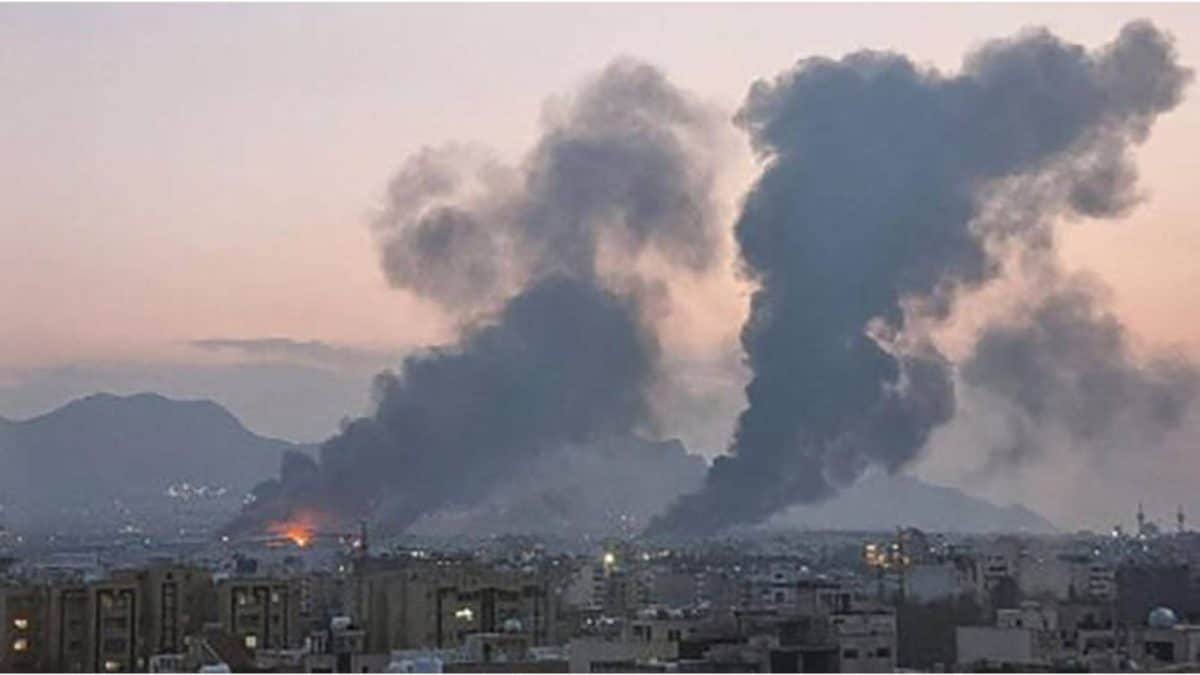
India’s sharp excise duty cut on petrol and diesel, taken in the middle of a global oil shock triggered by the US-Israel-Iran war, is being framed by the government as a pre-emptive economic shield. But beneath the official reasoning lies a mix of fiscal sacrifice, inflation management, and political timing.
‘Protecting Citizens’
The government has made it clear that it faced a binary choice: either pass on the surge in global crude prices to consumers or absorb the shock itself. Petroleum Minister Hardeep Singh Puri made it clear that Centre acted to “protect citizens from rising global energy prices" by taking the hit rather than allowing retail prices to spike.
International crude prices have gone through the roof in the last 1 month from around 70 dollars/barrel to around 122 dollars/barrel. Consequently, petrol and diesel prices for consumers have gone up all over the world. Prices have increased by around 30%-50% in South East Asian…— Hardeep Singh Puri (@HardeepSPuri) March 27, 2026
With oil markets rattled by disruptions around the Strait of Hormuz, India’s import dependence meant domestic prices were inevitably under pressure. Instead of allowing OMCs to pass on losses, the Centre stepped in, cutting duties and effectively subsidising stability.
Over the past few days, the Modi government has been stressing there is no immediate fuel crisis. The Petroleum Ministry has insisted that supplies are “fully secure and under control" and even described shortage claims as a “deliberate misinformation campaign." Officials have underlined that India currently has around 60 days of fuel stock and diversified sourcing from over 40 suppliers, ensuring there is “no supply gap." Oil companies, including Indian Oil Corporation, have echoed this, stating “there is no shortage of petrol or diesel" and urging consumers to avoid panic buying.
Inflation Management
The excise cut itself tells a more cautious story. The government would not have taken such a steep revenue hit, estimated to run into massive fiscal losses, unless it anticipated sustained pressure on fuel prices. Notably, the tax reduction is not translating into cheaper petrol or diesel at the pump. Instead, it is cushioning OMCs facing under-recoveries, ensuring they are not forced into sudden retail price hikes. This reflects a forward-looking strategy: contain inflation before it spirals, rather than react after the damage is done.
Elections
There is also a clear political dimension. Fuel prices in India are highly sensitive, with ripple effects across transport, food inflation, and household budgets. With elections in four states on the horizon, the government appears keen to avoid a scenario where global shocks translate into visible domestic pain. Acting early allows the Centre to control the narrative, presenting itself as proactive rather than reactive, while insulating consumers from a delayed but sharper price shock.
The government is walking a tightrope, quietly absorbing the financial impact of a global energy crisis. The excise duty cut prevents a volatile international conflict from turning into a domestic economic and political crisis.
First Published:
March 27, 2026, 11:41 IST
News india Fighting The Fire: Why Modi Government Swallowed The Bitter Pill On Fuel Excise Duty
Disclaimer: Comments reflect users’ views, not News18’s. Please keep discussions respectful and constructive. Abusive, defamatory, or illegal comments will be removed. News18 may disable any comment at its discretion. By posting, you agree to our Terms of Use and Privacy Policy.
Read More




 English (US) ·