

 2 hours ago
7
2 hours ago
7
ARTICLE AD BOX
4 min readNew DelhiApr 16, 2026 01:23 AM IST
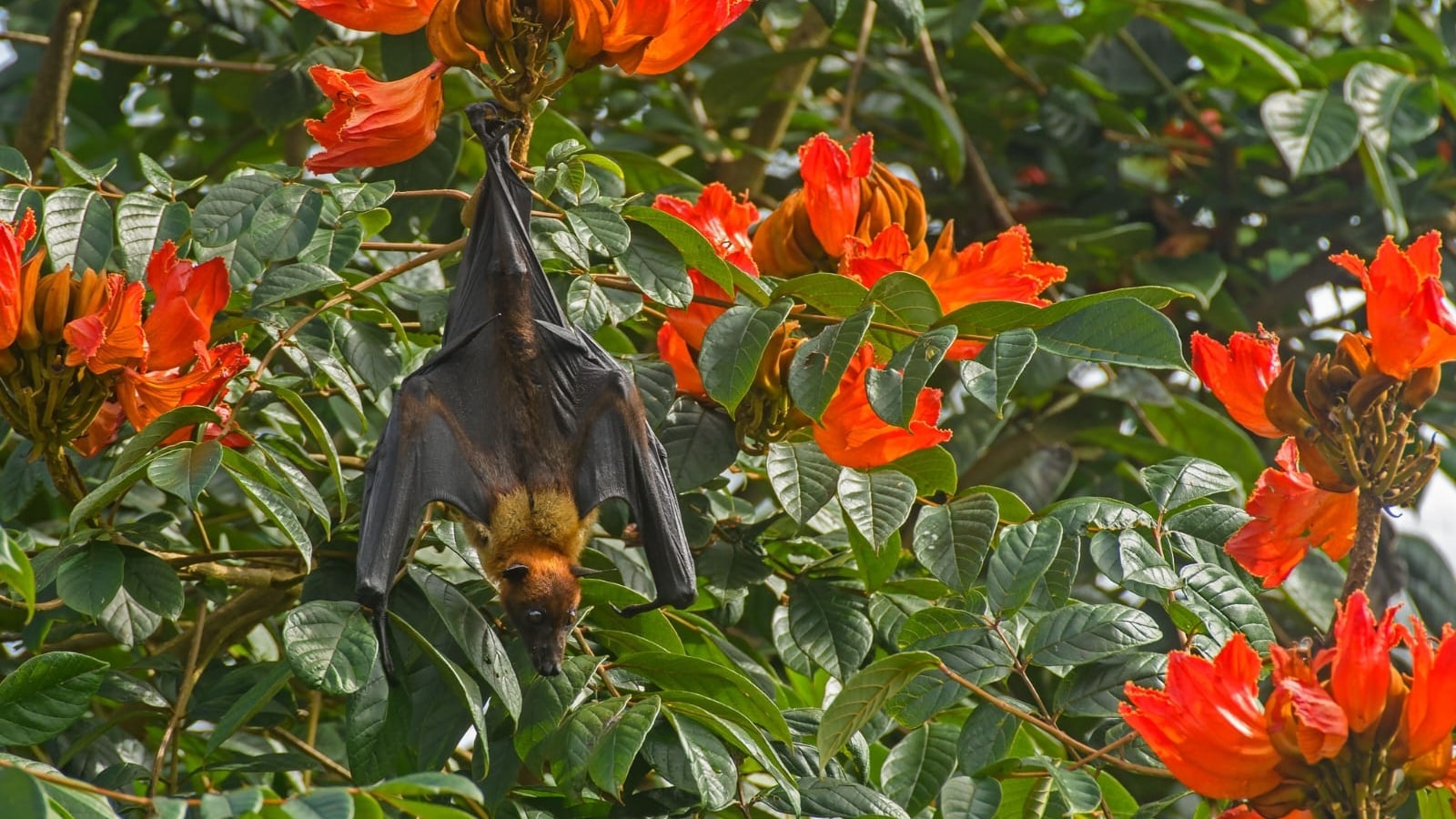 Most studies on the ecology and biology of bats was concentrated in southern states, including Western Ghats biodiversity hotspot.
The bat species in India, around 135, are facing neglect due to lack of research and are also under threat from urbanisation, deforestation, land-use changes and climate impacts, the first-ever national assessment (State of India’s Bats, 2024-25) has reported.
Pieced together by a team of 36 bat experts from 27 institutions over two years, and based on review of existing scientific literature, the report has painted a sobering status of the flying mammals, calling for urgent research on their habitats, hotspots, ecology, diet, and the disease risk they pose.
The researchers, led by Nature Conservation Foundation (NCF) and Bat Conservation International, underlined that the data deficit and neglect of bats is of concern as they play a crucial role in pollinating plants, disperse fruit seeds, control pests that damage crops, and provide soil nutrition through their droppings. In fact, despite the heightened attention during the Covid-19 pandemic, research permits are slow to come by due to bureaucratic hurdles, the report noted.
The Covid-19 pandemic increased the stigma around bats, casting them as disease carriers, the report noted, while ignoring their benefits to nature and society. The WHO had said in June 2025 that the “weight of available evidence suggests zoonotic spillover … either directly from bats or through and intermediate host”.
Out of 135 bat species, 16 are endemic or only found in India and seven of them are listed under the threatened category by the International Union for Conservation of Nature. However, this does not mean the rest are in the pink of health as 35 species have either not been assessed or data is deficient on them, the report found.
For instance, the Khasian Leaf-nosed bat which is under threat due to persecution-fuelled hunting, mining in Meghalaya, is not classified as per IUCN, which prepares the conservation status list.
Rohit Chakravarty, an expert on bats from NCF and Bat Conservation International and one of the lead authors of the report said that research on bats needs to be stepped up urgently, and a lot many agencies other than the Forest department needs to work on bat conservation. “They are facing severe threats from urbanisation, even renewable energy infrastructure. The perception around the creatures needs to change to understand their ecosystem services,” he told The Indian Express.
Story continues below this ad
The report has also recommended stepping up surveillance of pathogens in Northeast India and Western Ghats to prevent zoonotic disease outbreaks, and called for more studies on the impacts of environmental pollution on bats.
The report documented significant inter-variability in the distribution of bat species. West Bengal leads with 68 bat species, followed by 66 in Meghalaya, 52 in Uttarakhand 41 each in Kerala and Karnataka and 43 in Sikkim, denoting diversity. Among cities, Delhi had 15 bat species, despite pressures of urbanisation. Haryana, Punjab had only five recorded species with limited forest cover and farm expansion.
Most studies on the ecology and biology of bats was concentrated in southern states, including Western Ghats biodiversity hotspot. Other hotspots like the Himalayas, Northeast India, Andaman and Nicobar Islands were relatively understudied while states within the Eastern Ghats and Terai lowland regions were under sampled.
Habitats and monuments
The assessment found bats roosting across natural habitats and man-made structures. Caves and trees were two of the most common roosting sites. The winged mammals roost in caves due to their stable microclimate and as they provide them protection from environmental fluctuations and predators. Robber’s cave in Mahabaleshwar, Maharashtra, houses perhaps the largest known roost of Phillip’s long-fingered bat with an estimated 1 lakh individuals during breeding season.
Story continues below this ad
Among man-made structures, bats have been found to roost in crevices of dilapidated buildings, wooden beams to even government-protected monument. In fact, the report has highlighted the presence of large bat colonies in monuments across Delhi, Hyderabad and Maharashtra. “Large bat colonies may cause structural damage to monuments and deter tourists from visiting. ASI (Archaeological Survey of India) can work with bat researchers and conservationists to use these sites as an opportunity for bat-related education, development of ethical guidelines for tourism around bat colonies, and finding ways to prevent bat-related damage to monuments,” the report stated.

An award-winning journalist with 14 years of experience, Nikhil Ghanekar is an Assistant Editor with the National Bureau [Government] of The Indian Express in New Delhi. He primarily covers environmental policy matters which involve tracking key decisions and inner workings of the Ministry of Environment, Forest and Climate Change. He also covers the functioning of the National Green Tribunal and writes on the impact of environmental policies on wildlife conservation, forestry issues and climate change. Nikhil joined The Indian Express in 2024. Originally from Mumbai, he has worked in publications such as Tehelka, Hindustan Times, DNA Newspaper, News18 and Indiaspend. In the past 14 years, he has written on a range of subjects such as sports, current affairs, civic issues, city centric environment news, central government policies and politics. ... Read More
Stay updated with the latest - Click here to follow us on Instagram
© The Indian Express Pvt Ltd









 English (US) ·