

 1 hour ago
7
1 hour ago
7
ARTICLE AD BOX
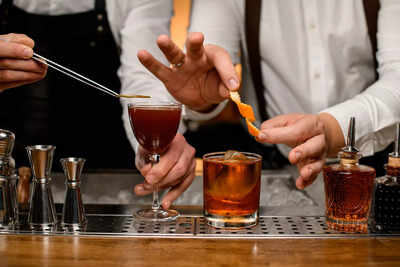
Globally, alcohol is losing ground , an estimated $830 billion has been wiped off the sector’s market value in just four years as health concerns, regulation and changing social habits reshape consumption, but India tells a far more layered story, where bars are fuller, craft distilleries are multiplying, cocktail menus are expanding and premium bottles are moving faster than ever, even as a parallel cultural shift takes hold across metros and emerging cities alike, with drinkers no longer chasing intoxication alone but cutting back on frequency, slowing down on quantity, alternating with zero-proof options and choosing alcohol more intentionally, not walking away from drinking, but rewriting how it fits into everyday life.
People are increasingly aware of how often & how much they drink. Many enjoy zero-proof and high-ABV cocktails with top-shelf pours all in the same night
– Rituparna Banerjee, co-founder Nutcase, Kolkata
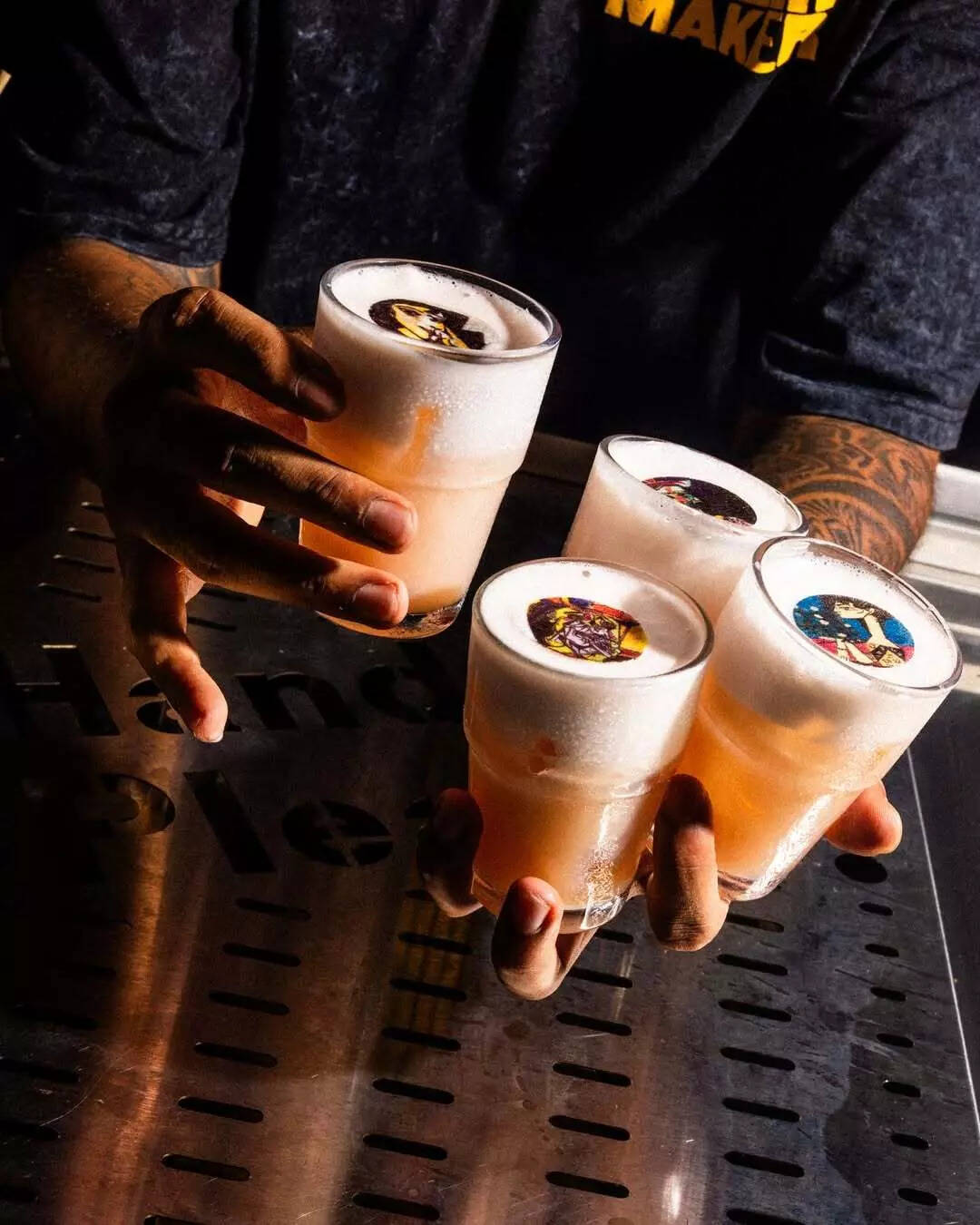
Moderation becomes the new normal, not abstinenceFor younger professionals and students, the shift isn’t about rejecting alcohol but reining it in. “For us it’s not about being anti-alcohol. Earlier every party meant drinking, now I skip weekdays completely, maybe have one or two on a weekend, or go for zero-proof drinks,” says Siboham Pattanayak, 22, a student at IIT Bombay, while Delhi MBA student Shubhayu Saha, 23, adds that moderation also brings convenience: “Sometimes I’ll order a kombucha or a zero-proof cocktail so I can drive back home after having fun , no need to take a cab or call a driver.
” Across cities, lifestyle changes are reshaping habits, with Bangalore-based IT professional Kathakali Roy noting, “What began as drinking on fewer days slowly shifted to fewer drinks per outing, now it’s usually just a glass or two of white wine on rare occasions.” For some, the recalibration has meant stepping away altogether, Kolkata fashion designer Rohan Pariyar, 33, quit after hangovers began affecting work and wellbeing: “I don’t drink at all now- I stick to soda or water and still socialise and dance.
The clarity feels better than the buzz ever did.” Even when moderation comes with social friction, many are choosing it consciously, with singer-songwriter Jaimin Rajani, 34, who cut back after alcohol triggered migraines, saying, “I enjoy what actually feels good ,and most days a non-alcoholic drink is far more enjoyable for me than alcohol.”
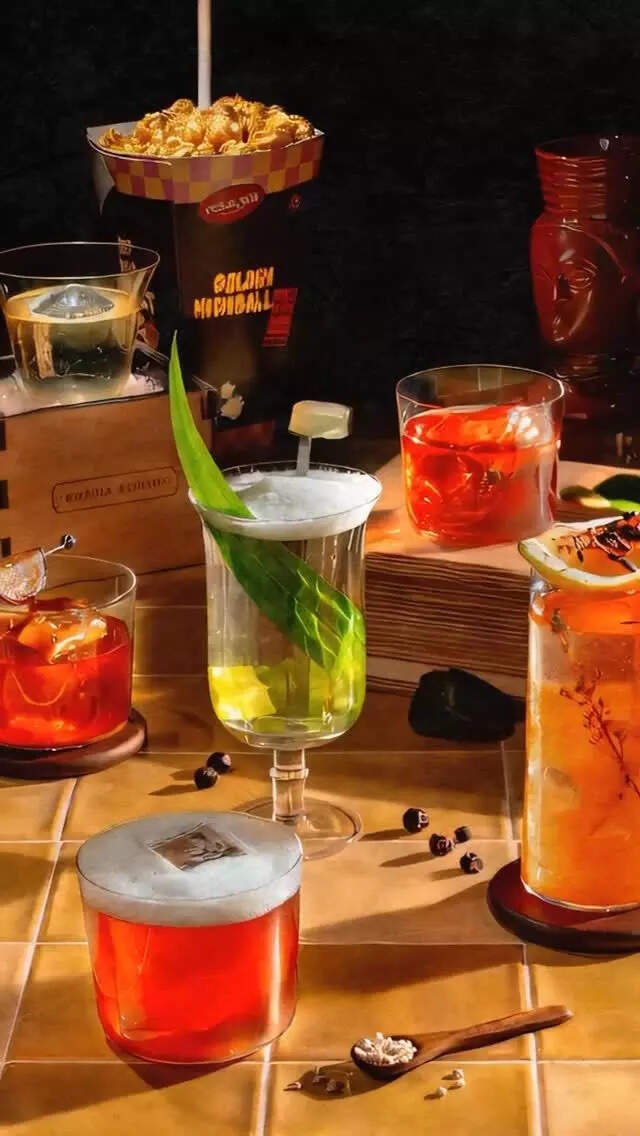
Zero-proof drinks step out of the ‘mocktail’ box and into serious menusWhat was once limited to sugary virgin mojitos and lime sodas is now a crafted category of its own.
Restaurants, cafes and bars are building zero-proof beverages with the same thought as cocktails , using fermentation, teas, herbs, spices and botanicals. At Chennai’s Pandan Club and Jolly Indian, founder Manoj Padmanaban says guests now naturally alternate between alcohol and zero-proof drinks in the same sitting.
“People aren’t drinking just for the buzz anymore, they’re drinking for flavour and experience.
Zero ABV has changed the game. A botanical cooler now sits comfortably next to a gin cocktail.” Importantly, these drinks aren’t positioned as cheaper substitutes. “We price zero-proof based on craftsmanship and ingredients, not because it’s ‘less’. When guests are willing to pay for it like a premium spirit, you know the mindset has changed,” he adds. On the product side, brands like Makaibari are blending tea with Ayurvedic botanicals to create wellness-driven, premium alcohol-free beverages that can be consumed straight, turned into mocktails or even used as cocktail bases.
The shift shows how non-alcoholic drinking is no longer about denial - it’s about expanding choice.
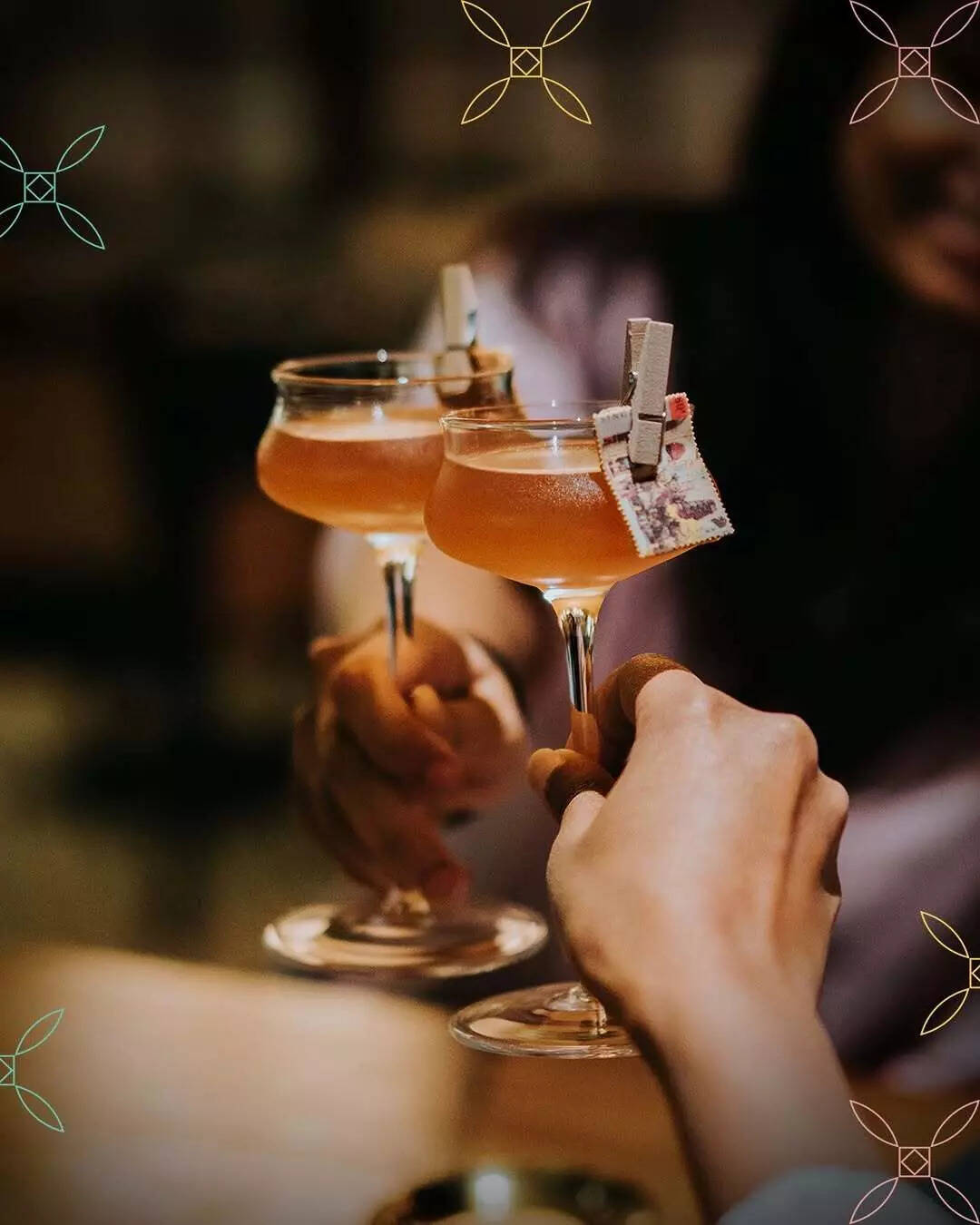
From getting drunk to chasing experiences and storiesAcross India’s bar scene, drinking is becoming participatory, educational and story-led. Pankaj Balachandran, founder of Boilermaker Goa, Quinta Cantina Goa notes that experience now drives demand more than volume. “We run foraging-led drinking labs where guests engage with ingredients and processes, and every single session sells out.
People don’t just want a drink anymore, they want to connect with what’s in the glass.
” This experience economy is visible in the rise of intimate cocktail bars, bartender-led storytelling, tasting menus and home mixology culture. Bacardi brand ambassador Shabaz describes how expectations have shifted post-COVID and travel exposure: “Earlier people ordered a cocktail without caring what spirit went in it. Now they ask for premium brands, ingredient transparency, farm-to-glass stories.
Drinking today is about experience, not intoxication.” Even drink formats reflect moderation - highballs, lighter serves, slower sipping, allowing people to enjoy alcohol over longer social hours without excess.Craft gin and premium spirits boom alongside mindful drinkingWhile consumption patterns are becoming more thoughtful, premium alcohol is growing rapidly, especially Indian craft gin. Hapusa co-founder Anand Virmani charts the transformation: “In 2017 the entire premium gin market in India was about 12,000 to 14,000 cases.
By 2024 it reached roughly 150,000 cases, and it’s still growing 20–25 percent every year.” COVID became a learning phase, where consumers explored botanicals, flavours and craftsmanship - a shift that, as Sai Harish of MONIN India observes, “wasn’t about abstinence, but about intention,” with people engaging more with flavour-led, well-built beverages that fit more consciously into their lives.
For regional brands like Cherrapunji Eastern Craft Gin, the appeal lies in terroir and storytelling, with founder Mayukh Hazarika explaining, “People are shifting from quantity to quality.
When they see the craftsmanship, the regional botanicals, the flavour and the story, they want something different. Craft is about letting the place shape the spirit.” From Himalayan botanicals to Northeast rainwater gins and even the buzz around celebrity labels, Indian distillers are building premium identities rooted in geography and experience, and rather than clashing with moderation, premiumisation is increasingly encouraging slower, more intentional drinking - fewer drinks, but better ones.
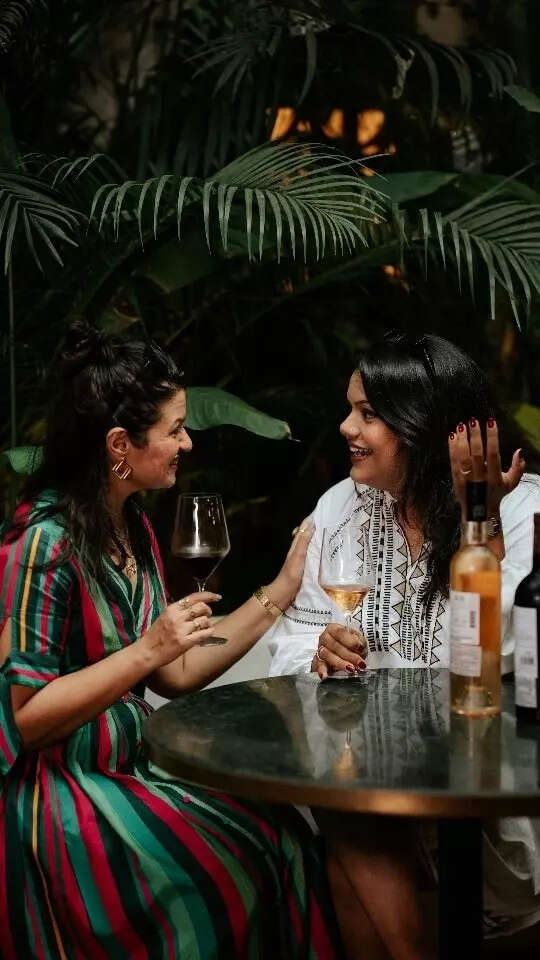
Key shifts reshaping India’s drinking culture
• Cocktail bars replacing loud nightclubs, with bartenders becoming storytellers and experience curators rather than just servers• Rapid growth of craft spirits in non-metro cities like Pune, Guwahati, Jaipur and Bhopal, showing premium drinking is spreading well beyond metros• Younger drinkers trading up rather than drinking more, with premium-and-above Scotch in India forecast to grow 13% CAGR between 2022–27, and premium malt Scotch at 19% CAGR, far faster than overall alcohol growth (Source: IWSR)• Home mixology workshops, tasting sessions and DIY cocktail culture becoming mainstream social experiences• Zero-proof drinks expanding beyond bars into wellness cafés, workplaces, brunch culture and weekday socialising, reflecting mindful but still social consumption• Rising interest in heritage and terroir-driven spirits like feni and mahura alongside craft gin, within a broader market where India’s gin segment alone is valued at about $635 million in 2024 and projected to reach nearly $945 million by 2033 (Source: IMARC Group)India’s non-alcoholic beverages market was valued at ₹1.37 lakh crore in 2023 and is projected to reach ₹2.10 lakh crore by 2029 (CAGR ~7.4%), mirroring a global no/low-alcohol segment growing around 7% annually ( Sources: ResearchAndMarkets; IWSR Drinks Market Analysis.)
India’s drinking culture is being reshaped by a much younger, more informed consumer. With the median age around 28, people today actively question ingredients, origins and transparency - whether in alcohol or zero-proof drinks. The shift isn’t about health preaching; it’s about experience, value and familiar flavours delivered in more thoughtful ways.
-Avinash Kapoli, Co-Founder, Kompany Hospitality and Beverage Consultant Burma Burma
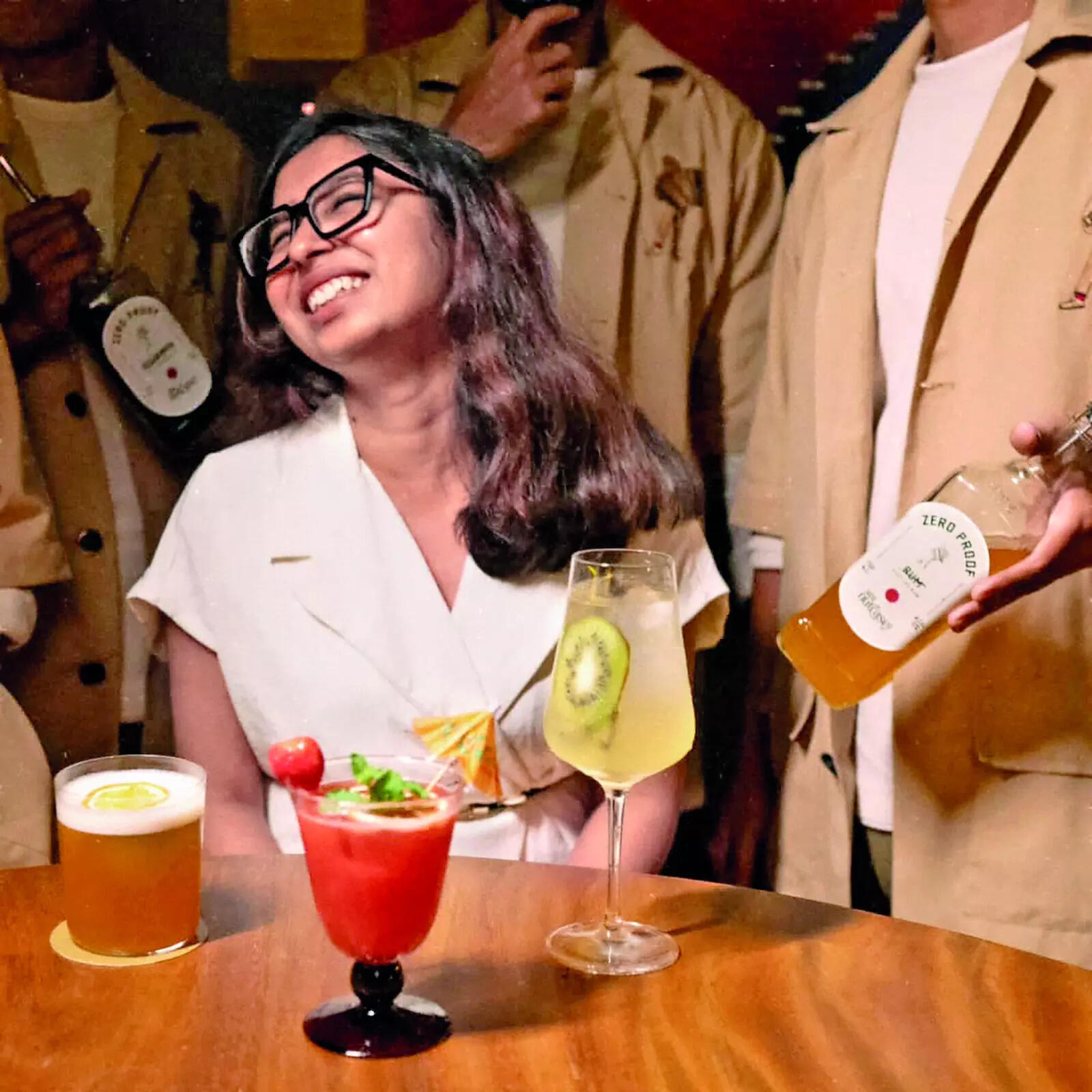
Zero-proof isn’t about cutting alcohol, it’s about redefining premium experiences. Tea is no longer just a hot beverage; it’s becoming the base for sophisticated, botanical-driven drinks that deliver flavour, wellness and social ritual without intoxication. This is where mindful drinking is headed.
- Sushavan Sinha, Head of Innovations and Products, Makaibari
What’s really changing isn’t how much people drink- it’s how they drink. Tastings, cocktail experiences and understanding the liquid behind the glass are making people slow down and drink with intention rather than for intoxication.
- Shatbhi Basu, Mixologist and Bar Consultant


 English (US) ·