

 4 days ago
12
4 days ago
12
ARTICLE AD BOX
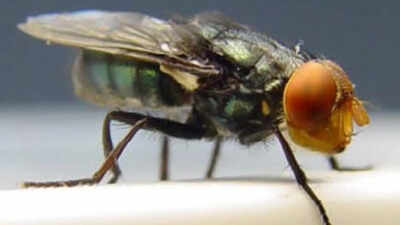
Flesh eating fly threat in US
A parasitic insect that once spread widely across North America is again drawing attention. The New World screwworm, a flesh-eating fly known for attacking warm-blooded animals, had been successfully eliminated from the United States decades ago through a coordinated control programme.
However, recent discussions among scientists and animal health authorities have raised concerns about its possible return. This has brought new attention to how this pest could come back and what it could mean for people, animals, and even livestock.According to the Centers for Disease Control and Prevention, the screwworm is not just another insect. Its larvae feed on living tissue, making it a serious threat to animals and, in rare cases, humans. While strong monitoring systems remain in place, experts continue to track any signs of its movement across borders.
What is the screwworm fly
The insect commonly known as the screwworm is scientifically called Cochliomyia hominivorax. It is a type of blowfly whose larvae eat the flesh of living animals.The screwworm is different from other flies because it lays its eggs on open wounds, cuts, or even small scratches. When the eggs hatch, the larvae dig into the flesh and start eating, which leads to very bad infections. This condition is known as Myiasis.As per the CDC, the infestation can worsen quickly if not treated.
In livestock, it can lead to serious injury or death.
How the US eliminated the screwworm
The United States once faced widespread outbreaks of screwworm, especially in southern states. To control it, authorities launched a large-scale programme using the Sterile Insect Technique.The United States Department of Agriculture says that this method involved letting millions of sterilised male flies go into the wild. When these males mated with females, they didn't have any babies, which slowly made the population smaller.Over time, this strategy proved effective. By 1966, the screwworm had been eradicated from the United States. The programme was later extended into Mexico and Central America to prevent the insect from returning north.The Food and Agriculture Organization notes that this remains one of the most successful pest control programmes carried out using biological methods.
Why are there concerns about the screwworm fly's return
Despite its elimination from the US, the screwworm has not disappeared globally.
It is still present in parts of South America and some Caribbean regions.The USDA says that there is still a chance that the insect could get back into areas that have already been cleared because of livestock movement, wildlife migration, or international trade.The FAO also points out that these kinds of parasites can spread if monitoring systems fail or if sick animals cross borders. They may also be able to live in new places thanks to warmer temperatures and other climate factors.
How screwworm affects animals and humans
The screwworm mostly hurts cows, sheep, and goats. Wild animals and pets can also be in danger. The larvae get into wounds and eat living tissue, which hurts, swells, and gets infected.According to the CDC, human cases are rare but can occur, especially when wounds are not properly treated. Medical care is required to remove the larvae and prevent complications.The screwworm is also seen as an economic threat because it harms livestock.
Past outbreaks caused significant losses for farmers and affected agricultural systems.
What authorities are doing now
Even though the screwworm is not currently established in the United States, monitoring systems remain active. The USDA still has programs to keep an eye on things, like strict import controls and inspections of livestock.Border checks, veterinary screenings, and farmers being aware of the problem are all ways to stop it from happening.
If a case is found, quick action is taken to contain the situation.FAO says that finding problems early and taking action right away are very important to stopping big outbreaks.
Why this insect still matters today
The screwworm remains an important example of how a small parasite can have a major impact on agriculture and public health. Even decades after its removal from the US, the possibility of its return continues to be closely watched.We need to keep an eye on this pest, use scientific control methods, and work with other countries to make sure it doesn't come back.









 English (US) ·