

 1 hour ago
6
1 hour ago
6
ARTICLE AD BOX
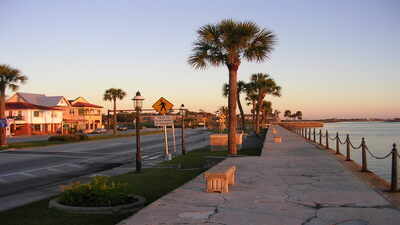
Florida's concrete seawalls are accelerating beach erosion, a new study reveals. These structures, meant for protection, are causing significant sand loss and degradation. Image Credits: Wikimedia Commons
For decades, the dream of coastal living has drawn millions of people to Florida’s sunny beaches. A house facing the Atlantic Ocean has long symbolised luxury and relaxation. However, this ideal coastal life has always had its price.
As severe storms intensify and sea levels rise, Florida’s coastal communities have sought ways to protect themselves.To counter this environmental threat, Florida spent several decades carrying out a massive engineering strategy, building heavy concrete seawalls to fortify its Atlantic coastline. The logic seemed sound at the time, as solid barriers were expected to shield shorelines from storm surges. However, a major new scientific investigation has revealed that these artificial walls are actually causing more harm than good, accelerating the disappearance of the very beaches people flock to enjoy.The journal Sustainability featured a research paper that scrutinised the durability of such coastal constructions. The findings show that infrastructure meant to protect properties from coastal hazards can also cause serious, persistent environmental degradation. Using high-resolution elevation data collected between 2015 and 2023, scientists found that beaches surrounded by hard coastal protection structures lost more than half a meter of elevation.
At the same time, naturally occurring sand dunes in the same area managed to rebuild themselves after episodes of extreme weather conditions.The unintended effect of concrete coastal barriersTo comprehend what makes such bulky engineering constructions ineffective, it is important to consider the interaction of wave energy with differently structured shores. When an active storm wave hits the naturally formed beach, its energy slowly dissipates due to the loose nature of sand and vegetative cover.
When a wave crashes against a sturdy concrete seawall, the energy has no place to disperse. Instead, it reflects off the wall and acts like a pressure washer, scouring sand from the area in front of the structure.This destructive cycle was clearly documented by the research team, who recorded an average net elevation loss of over zero point five two metres at sites heavily armoured with seawalls. This loss of sand means that the beach gets lower and narrower over time, leaving coastal homes even more exposed to the elements.
Furthermore, the study used specialised satellite imagery to track surface greenness, finding that these hardened systems suffered from a steady decline in healthy coastal vegetation, which is vital for holding the remaining sand in place.This problem becomes particularly critical during hurricane season, which comes once a year. In case a major storm strikes the coast, the man-made barriers restrict the natural flow of sediment within the beach ecosystem.
Since the sand is locked up by the rigid structure or swept into deep waters, the beach loses its capability of restoration after the storm is gone. Thus, a degraded environment is created that puts both the tourism industry and coastal residents at risk.
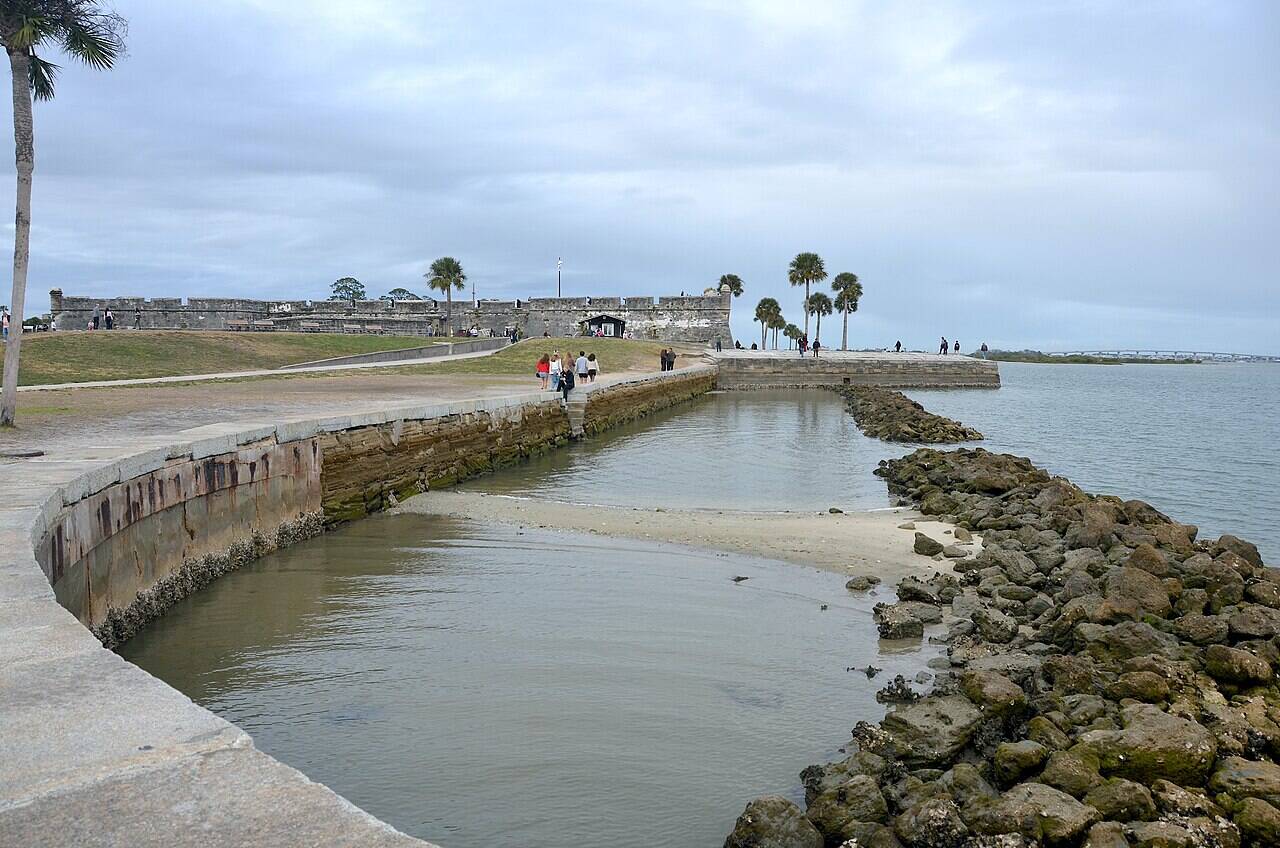
Naturally occurring sand dunes, however, demonstrate remarkable resilience after severe weather events. Coastal grasses help dunes rebuild themselves, trapping windblown sand effectively. Image Credits: Wikimedia Commons
Natural resilience vs rigid infrastructureThe study also highlighted the natural sand dunes left in the area. Even after several strong hurricanes, including Ian and Nicole in 2022 and Milton in 2024, the natural system showed strong resilience.
The collected data suggests that while being subject to erosion due to the peak of the storm activity, the natural dune sites gained in elevation more than a quarter of a meter on average.This self-healing capability comes from the interaction of sand, wind and specialised native plants. Coastal grasses act as a natural net, trapping windblown sand and slowly building the height of the dune over time. When a hurricane hits, the dune acts as a sacrificial barrier, absorbing the impact and keeping the water from rushing inland.
Once the weather clears, surviving vegetation helps trap new sediment and restart the rebuilding process without human assistance.Transitioning away from concrete walls and towards natural green infrastructure will require a major shift in how communities plan their coastal lifestyles. As part of their research, the scientists surveyed local stakeholders to understand their views on these green alternatives.
The responses showed that while most people fully understand the environmental value of natural dunes, many express genuine concerns regarding the long-term maintenance costs and the immediate effectiveness of living shorelines.Getting past these concerns is the next big hurdle for coastal planners. Finding a balance between preserving ocean views and adapting to changing coastal conditions means working with nature rather than against it. This can be done through dune restoration and protection of coastal vegetation.









 English (US) ·