

 1 hour ago
5
1 hour ago
5
ARTICLE AD BOX
Last Updated:April 24, 2026, 11:51 IST
The home minister has always been known for his attention to detail. But what played out on polling day went beyond strategy


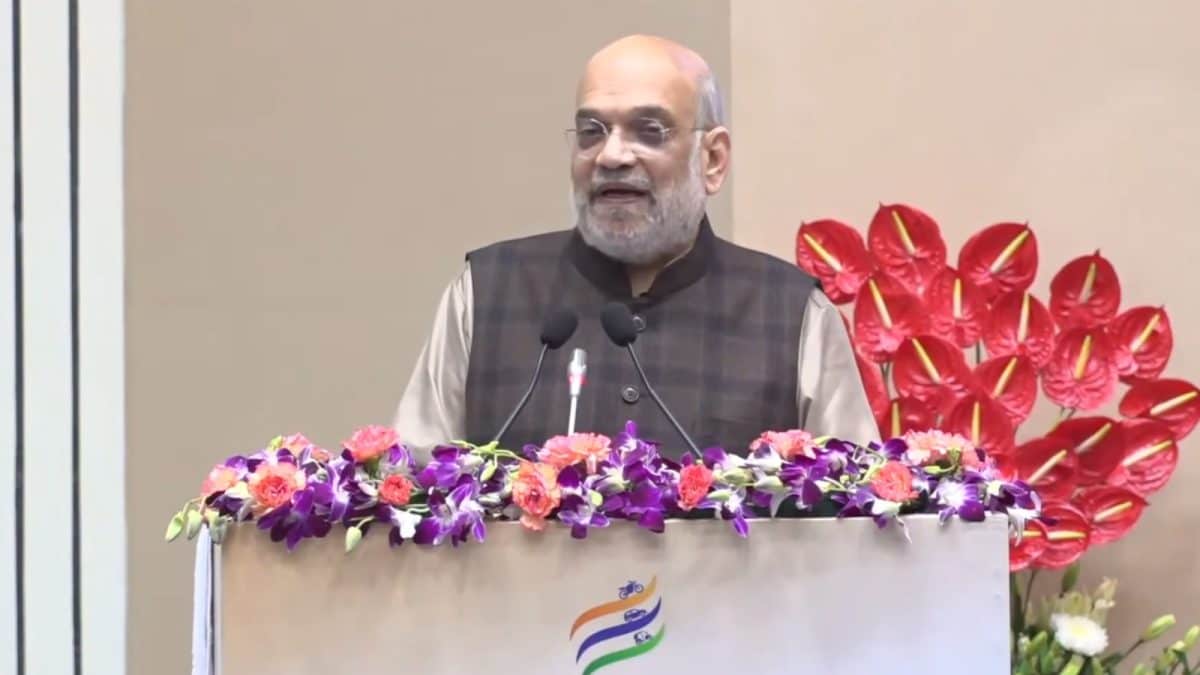
Amit Shah has proven that while loudspeakers may still matter in elections, so does the spreadsheet. (X @AmitShah)
Elections in India are loud, chaotic affairs with dusty roads, open jeeps, thundering rallies and much more. However, for the Bharatiya Janata Party (BJP), the first phase of West Bengal’s 2026 assembly elections offered a very different picture. Instead of a spectacle, there was a room. Instead of speeches, there were computer screens. And at the centre of it sat Amit Shah, tracking the pulse of the election from a party war room inside the BJP’s headquarters in suburban Salt Lake’s Sector 5. The Union home minister spent a good four-and-a-half hours in the party office, overseeing operations at the ‘war room’ where he reached well before 10am.
On polling day, Shah scheduled his events for the later part of the day. He stayed inside the BJP’s Salt Lake control centre, watching real-time updates flow in from across 152 constituencies—booth by booth, minute by minute.
The strategy was two-fold. The ‘control room’ had designated BJP cadres who were keeping in touch with each of the 152 constituencies, primarily to update incidents of violence or attacks on booth agents. The ‘war room’, meanwhile, coordinated with the administration on behalf of the party.
Having BJP’s second tallest leader in these two electoral sanctum sanctorum of Bengal BJP for over four hours not only kept the cadres on their toes but their morale high, say sources who were present inside the war room.
It is only after Election Commission data suggested that 75 per cent voters had already cast the ballot did Shah decide he can go ahead with his public events. He had a quick lunch at the BJP office before he left at 2.20pm on Thursday.
Shah has always been known for his attention to detail. But what played out on polling day went beyond strategy. This was micromanagement on a massive scale.
Well before voting began, the BJP had broken down more than 44,000 polling booths into neat categories—strongholds, swing zones, and weak spots. Each booth had workers assigned to it and clusters of booths had supervisors. At the most granular level, small groups of voters were mapped to “panna pramukhs"—local workers responsible for just a few dozen voters each.
The war room is where all these threads came together.
Information, including turnout numbers, reports from the ground, patterns in voter movement, kept pouring in. Decisions followed just as quickly. If turnout dipped in a particular booth, it could be nudged. If there was trouble somewhere, it could be addressed almost instantly.
Phase two on April 29 will seal the fate of hundreds of candidates and decide if BJP or TMC will rule the state for the next five years. But either way, Shah has proven that while loudspeakers may still matter in elections, so does the spreadsheet.
Handpicked stories, in your inbox
A newsletter with the best of our journalism
First Published:
April 24, 2026, 11:51 IST
News elections From 10am To 2.22pm: How Amit Shah Ran Phase 1 Of Bengal Polls From BJP’s War Room
Disclaimer: Comments reflect users’ views, not News18’s. Please keep discussions respectful and constructive. Abusive, defamatory, or illegal comments will be removed. News18 may disable any comment at its discretion. By posting, you agree to our Terms of Use and Privacy Policy.
Read More








 English (US) ·