

 1 week ago
10
1 week ago
10
ARTICLE AD BOX
3 min readJammuUpdated: Jun 11, 2026 05:23 AM IST
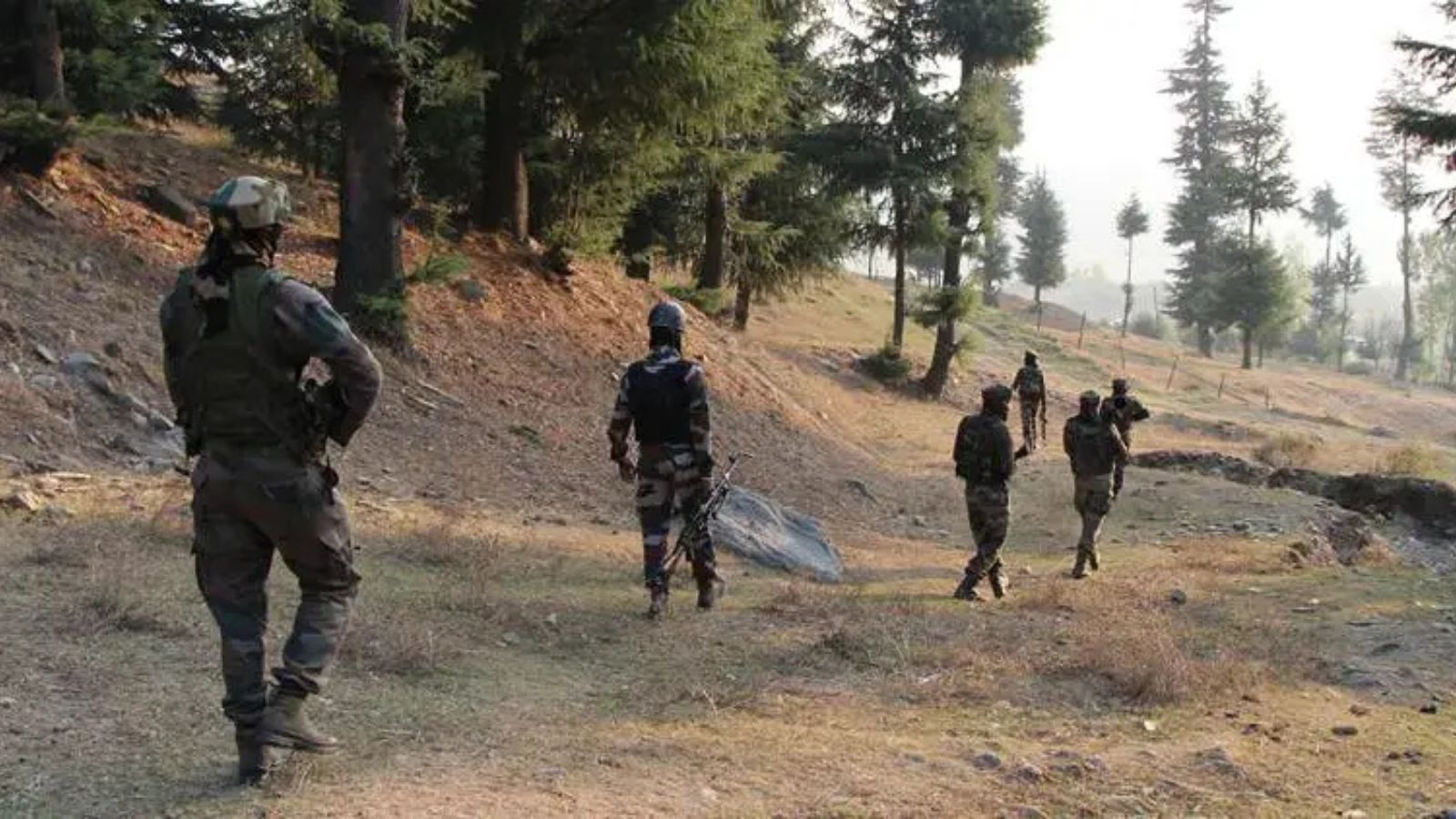 The development comes two weeks after troops found a militant hideout in the same forests and seized food, drinks, clothing, bags and polythene covers left behind by militants after a brief encounter with forces the previous day
When security forces busted an underground bunker during ongoing searches in the dense Dorimal forests of border Rajouri district in Jammu and Kashmir recently, they uncovered a critical tactical shift among militants — concrete underground bunkers instead of kucha ones to camouflage their presence inside dense forests.
The discovery was made when troops blew up a strong underground concrete structure that officials say served as a hideout, with security forces suspecting that more such bunkers lie in the forests between the Rajouri-BG-Surankote road (NH 144A) and the inter-district Rajouri-DKG-Buffliaz road.
The development comes two weeks after troops found a militant hideout in the same forests and seized food, drinks, clothing, bags and polythene covers left behind by militants after a brief encounter with forces the previous day. The hideout, though open, prompted officials to look for more as part of the ongoing counterinsurgency Operation Sheruwali.
Officials say this is the first time troops have come across such a meticulously built concrete underground bunker in the Union Territory, leading them to believe the militants evading capture since May 24 are hiding in “lavish, well-built” hideouts in the forests of Ghambir Mughlan and Dorimal.
While militants’ shift from using natural caves to underground bunkers as hideouts was first noticed during search and combing operations in the forests of Kulgam in Kashmir Valley last year, those were temporary structures, made by digging the earth and using logs to support the ceiling and walls. One such underground bunker was found early this year at an altitude of nearly 12,000 ft in Kishtwar district’s Chatru area. The hideout was big enough to accommodate four militants at a time and had ration stores and other essentials sufficient to last for months.
Sources say that the current shift to more permanent structures signifies that underground pucca bunkers in dense forest areas not only enable militants to stay in hiding for long, but also reduces their dependence on locals for shelter in case of adverse weather conditions in the mountainous terrain.
Since May 22, teams of security forces, Jammu and Kashmir Police, and the Central Reserve Police Force have been conducting searches in these forests following intelligence inputs about the presence of militants. While forces briefly exchanged fire with militants, they have since fled deeper into the thick forests. Though there has been no contact since, security forces believe they are still hiding in the area.
© The Indian Express Pvt Ltd








 English (US) ·