

 1 hour ago
7
1 hour ago
7
ARTICLE AD BOX
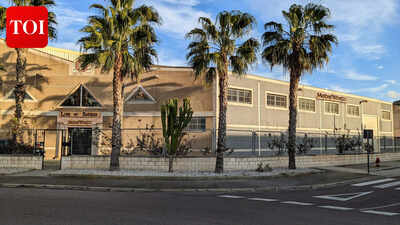
Medieworld Warehouse Spain
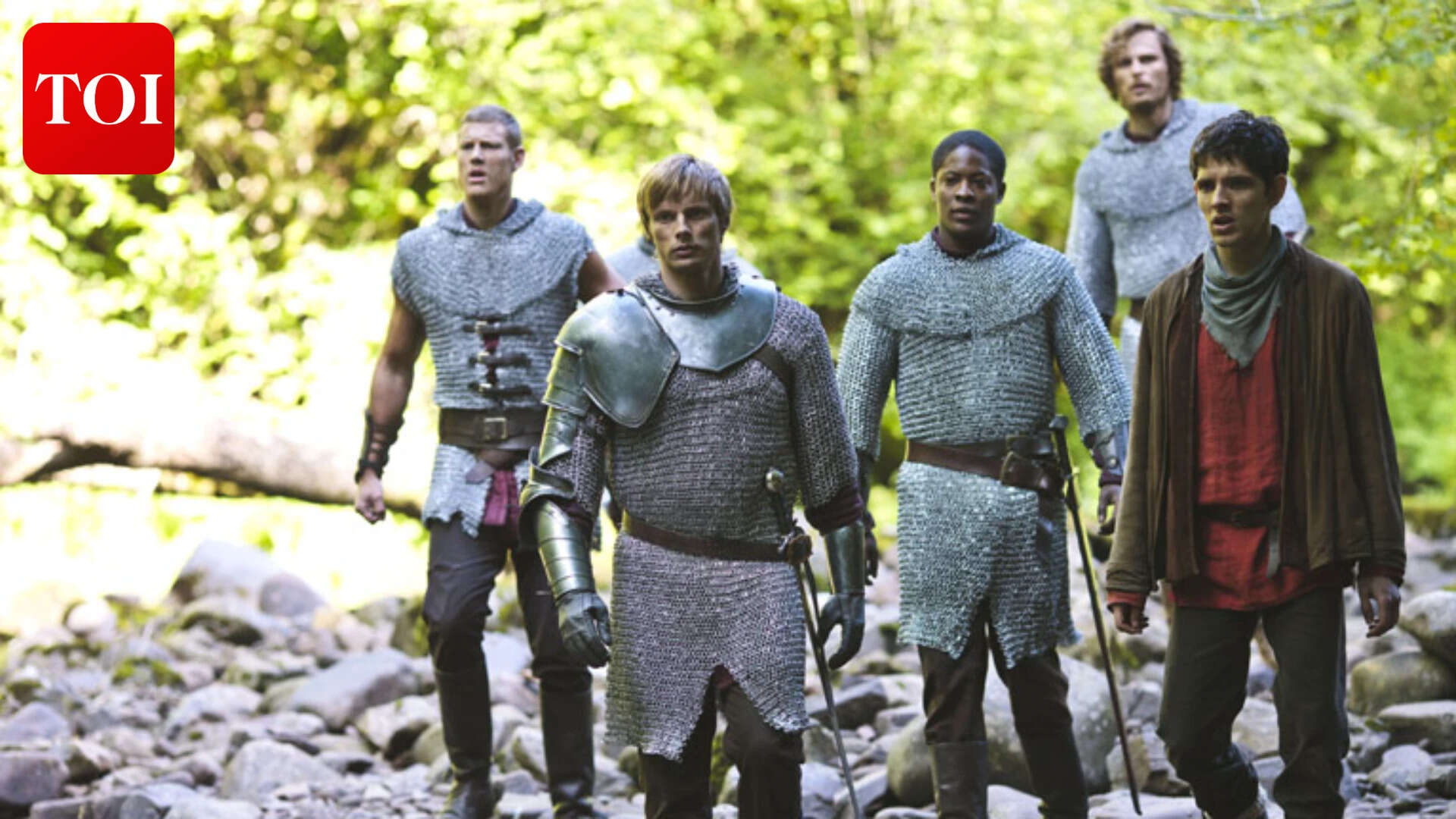
Merlin
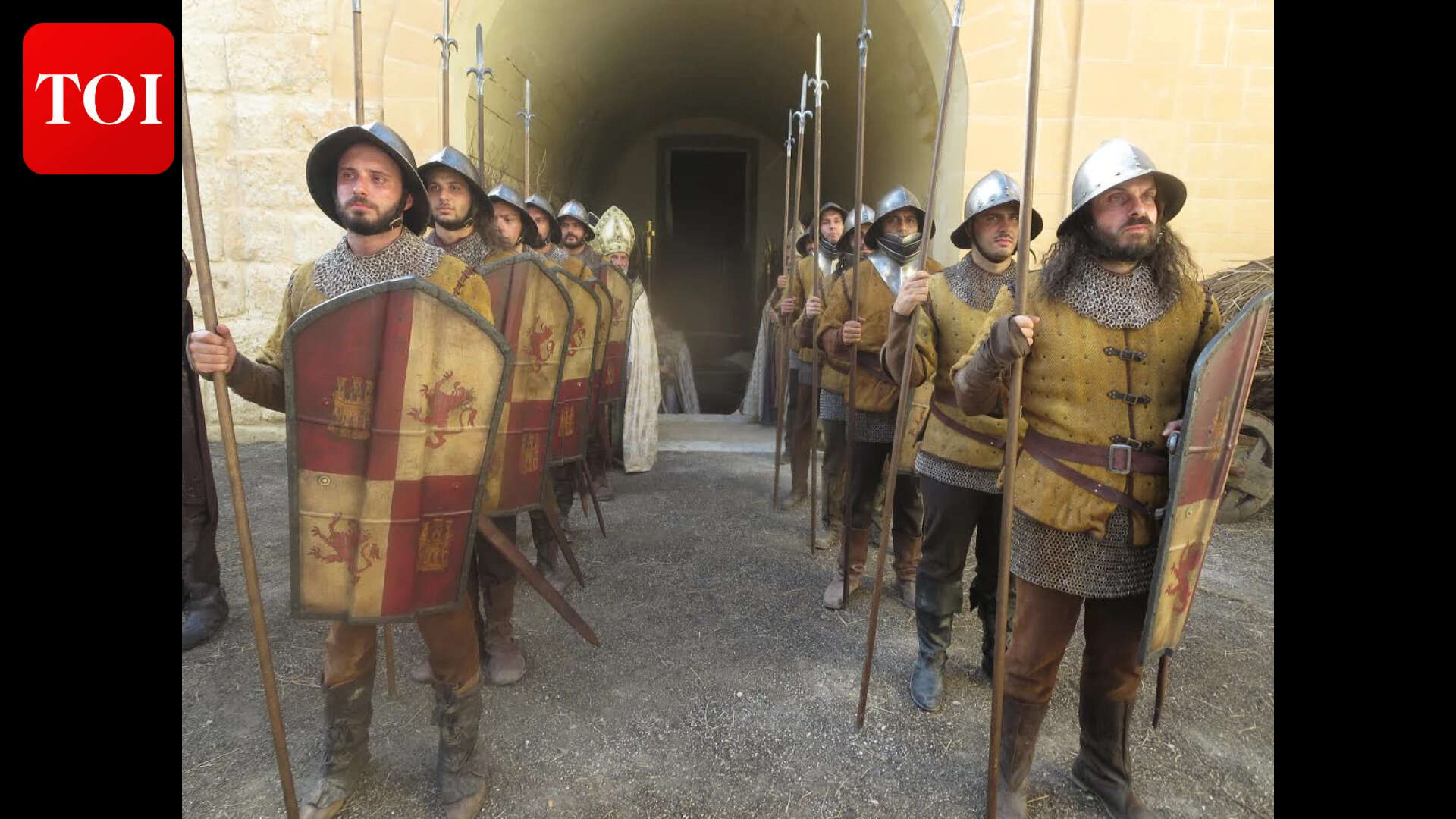
On the outskirts of Valencia, Spain, warehouse shelves hold rows of helmets, shields and chainmail destined for customers across Europe. Some will end up in historical reenactments, some on film sets.
Most buyers will never know that many of these pieces began their journey thousands of kilometers away, in a workshop at the foothills of the Himalayas.The company moving them across continents is MedieWorld Europe, a Spanish distributor that has become a bridge between Indian craftsmanship and a global fascination with medieval history. Its origins, however, lie not in Spain but in Dehradun.The story begins with Captain Saurabh Mahajan, a former officer in the Armoured Corps of the Indian Army. When he retired in 2005, he was not planning to enter the world of historical replicas. Then came an unusual question from a foreign traveler: Could anyone in India still make authentic chainmail?It was a niche inquiry, but one that revealed a surprising gap in the market.
Around the world, collectors, museums, reenactors and film productions were searching for historically accurate armor and weaponry. Few manufacturers possessed both the craftsmanship and the scale to meet that demand.Mahajan decided to try.Working with just three artisans, he founded what would later become Lord of Battles. The early years were spent mastering techniques that many assumed belonged to the past.
Chainmail rings were linked by hand. Helmets were shaped through labor-intensive processes. Historical references replaced conventional product catalogs. What emerged was not simply a manufacturing business but a workshop dedicated to recreating objects from another age.Soon, the film industry came calling.The BBC fantasy series Merlin became one of the company's earliest high-profile clients. More projects followed.
Armor and props produced in Dehradun found their way into productions including The Hobbit, Assassin's Creed, Outlaw King, The Northman and, most notably, Game of Thrones.For audiences, these objects appeared as part of fictional kingdoms and cinematic landscapes. For Mahajan, they represented something else: proof that a small workshop in northern India could compete in one of the world's most demanding creative industries.Yet success created a new challenge.The farther Lord of Battles reached into Europe and North America, the more complicated logistics became. Customers wanted faster delivery times, local support and easier access to inventory. Manufacturing could remain in India, but distribution needed to move closer to the market.That realization eventually led to a series of international expansions.In 2020, Mahajan invested in the American company Mythrojan LLC and brought its founder, Keith Wescovich, into the leadership structure.
The move strengthened the company's presence in the United States and provided deeper access to collectors and historical enthusiasts.Two years later came what may have been the more transformative step: the creation of MedieWorld Europe in Spain.Rather than functioning as a traditional sales office, MedieWorld was designed as a European hub. Products crafted in Dehradun could now move efficiently through the continent, reaching customers without the delays and complications often associated with international shipping.The choice of Spain was not accidental.Europe remains one of the world's largest markets for medieval history, reenactment culture and historical collecting. Castles, museums and centuries-old military traditions have created an audience that views armor not as a novelty but as part of a living cultural heritage.From Spain, MedieWorld could serve that audience directly.The strategy accelerated in 2023 with the acquisition of House of Warfare, a well-known American brand in the historical replica market.
Together, the moves transformed Lord of Battles from an exporter into something more ambitious: a global ecosystem spanning manufacturing, distribution and retail. What makes the arrangement unusual is that while the business has become increasingly international, production remains concentrated in Dehradun.Today, more than 130 artisans and specialists work within the company's operations. Many have spent years mastering skills that are difficult to automate.
Historical accuracy remains central to the process. Research teams study museum collections, original manuscripts and archaeological records before new designs are approved.Even as technology enters the workflow through artificial intelligence, digital modeling and 3D printing, the final products still depend on human hands.In an era when manufacturing conversations often revolve around robotics and automation, the company's growth tells a different story.
Its competitive advantage comes not from eliminating craftsmanship but from preserving it.That combination of old and new is increasingly visible in MedieWorld's operations. Designers, researchers and managers move between continents while production remains rooted in Uttarakhand. A customer in Germany might place an order through a Spanish company for a product designed with American input and handcrafted in India.It is a supply chain built not around efficiency alone, but around cultural translation.The result is that some of the world's most recognizable medieval imagery now passes through an unlikely route: from a workshop in Dehradun to a warehouse in Spain, and from there to film productions, museums and enthusiasts across the globe.
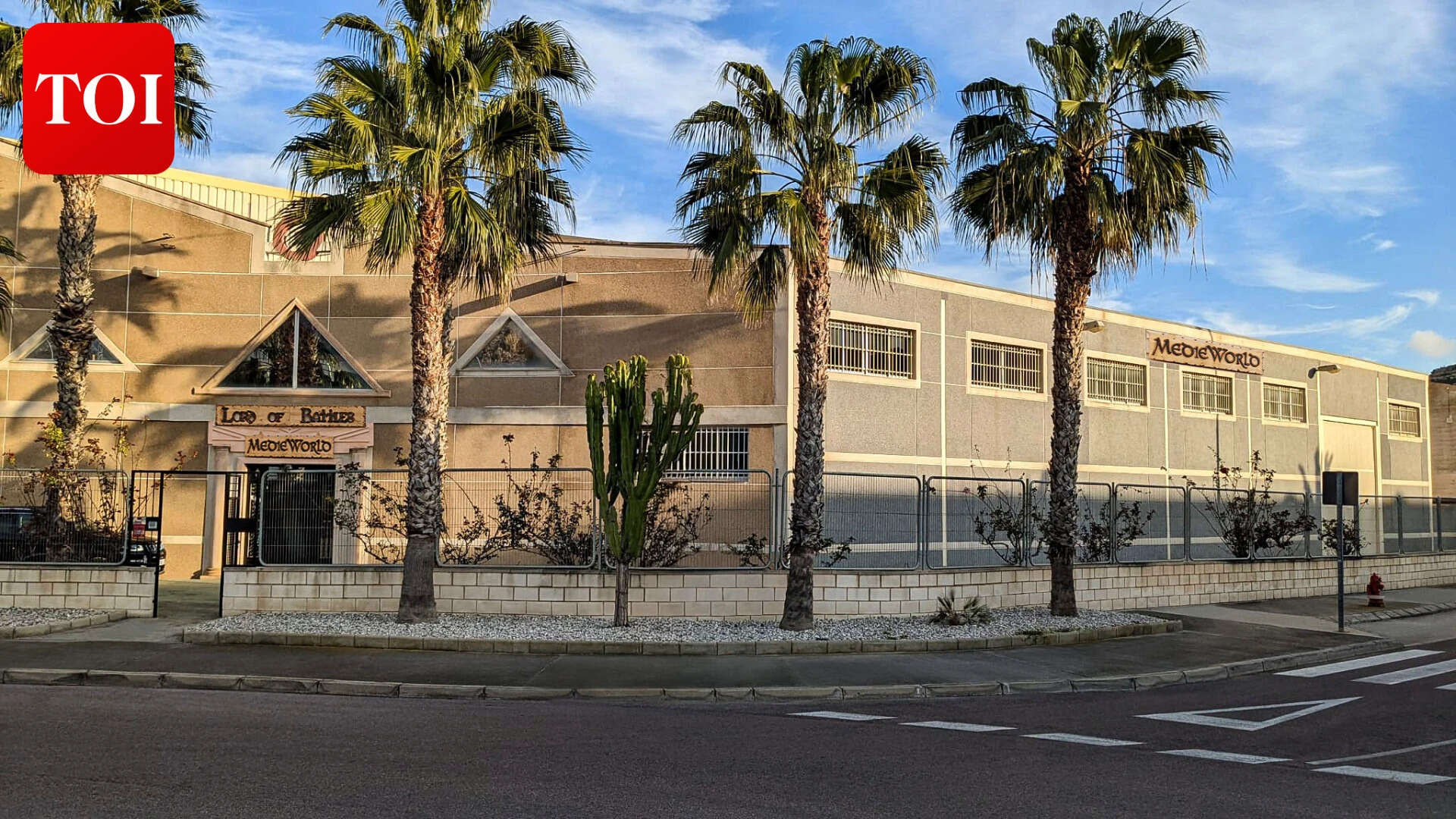
Medieworld Warehouse Spain





 English (US) ·