

 5 days ago
9
5 days ago
9
ARTICLE AD BOX
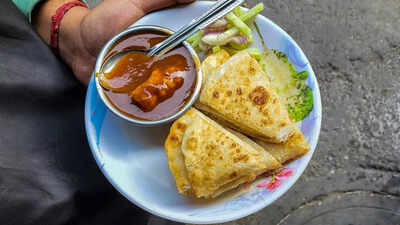
We all know Kolkata is known for its heritage food, especially street food. It’s fascinating to see certain Kolkata-style dishes now traveling abroad, carried by Bengalis or by people who have spent formative years in this city.
It’s safe to say that visitors rarely leave without tasting street food at least once, whether on a short trip or as frequent returnees who have their own must-try list. While famous restaurants like Mocambo or Peter Cat remain popular, and some visitors go there not just for food but for the memories attached to them, the real stories and memories are associated with the food found in every bylane. Every lane in Kolkata has its own story, and so does the food it serves.
Bylanes are where Kolkata actually eats. These foods are routine, affordable, and emotional. Many are disappearing or ignored, yet remain present every day, just because they aren’t “Instagrammable.” This is about celebrating those foods before they are lost. Indrajit Lahiri, Founder at Foodka shares a list of food experiences that are not to be missed in a lifetime.The everyday rollAlmost every neighbourhood in Kolkata has, or once had, a small roll corner tucked into a lane.
Egg roll, double egg roll, chicken roll, double chicken roll, tikia roll. Made fast, wrapped in paper, eaten standing, these rolls are among the most loved street snacks in the city. The stalls sit near offices, schools, markets, or crossings. People stop because it is time to eat, because the roll is familiar, or because it has always been there.
Regular customers don’t explain their order; the person behind the griddle already knows.
These rolls are about consistency, not innovation. They remain one of the city’s ever-present staples, sold throughout the afternoon and evening, yet rarely celebrated, not because they are disappearing, but because they are taken for granted.
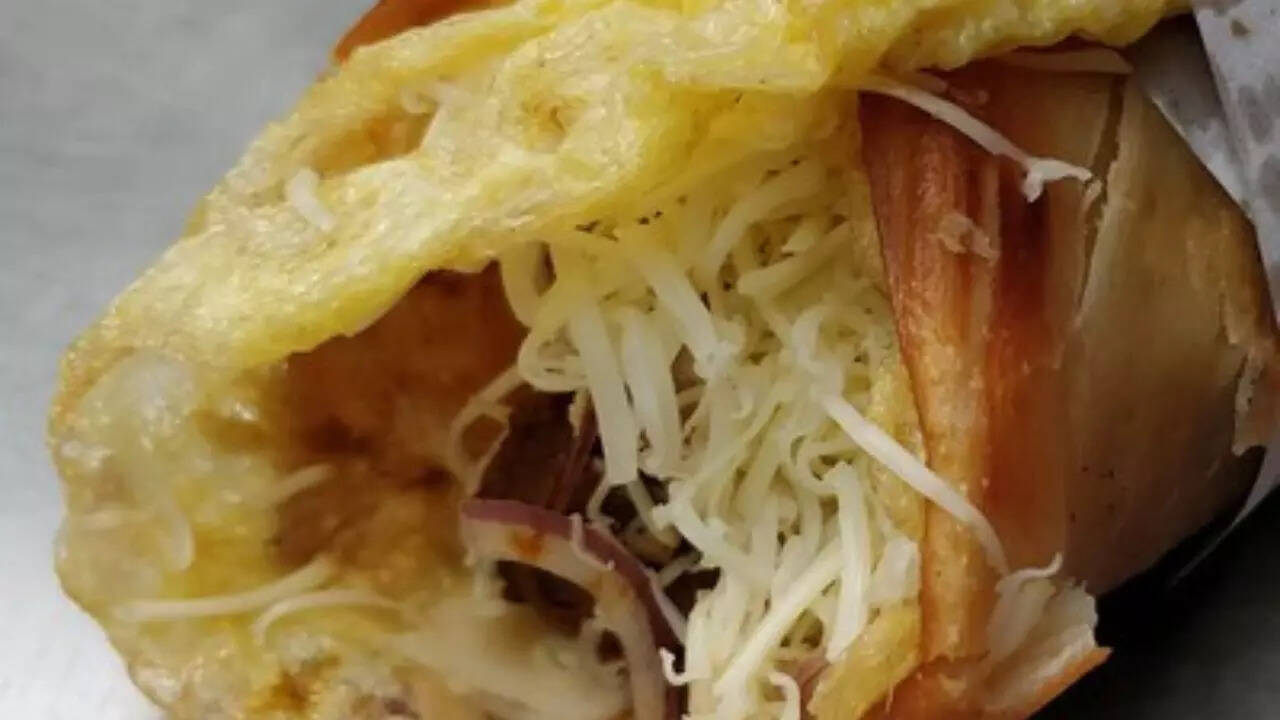
Image credit: Indrajit Lahiri
Mughlai Paratha: Iconic evening foodMughlai paratha is one of Kolkata’s most loved street foods, appearing in lanes and street corners from early evening until after sundown. Egg-rich dough, sometimes stuffed with keema, fried hot and served with potato curry, it is eaten quickly, without ceremony, but with affection.
It is not rare, and that ubiquity is precisely why it is no longer celebrated.
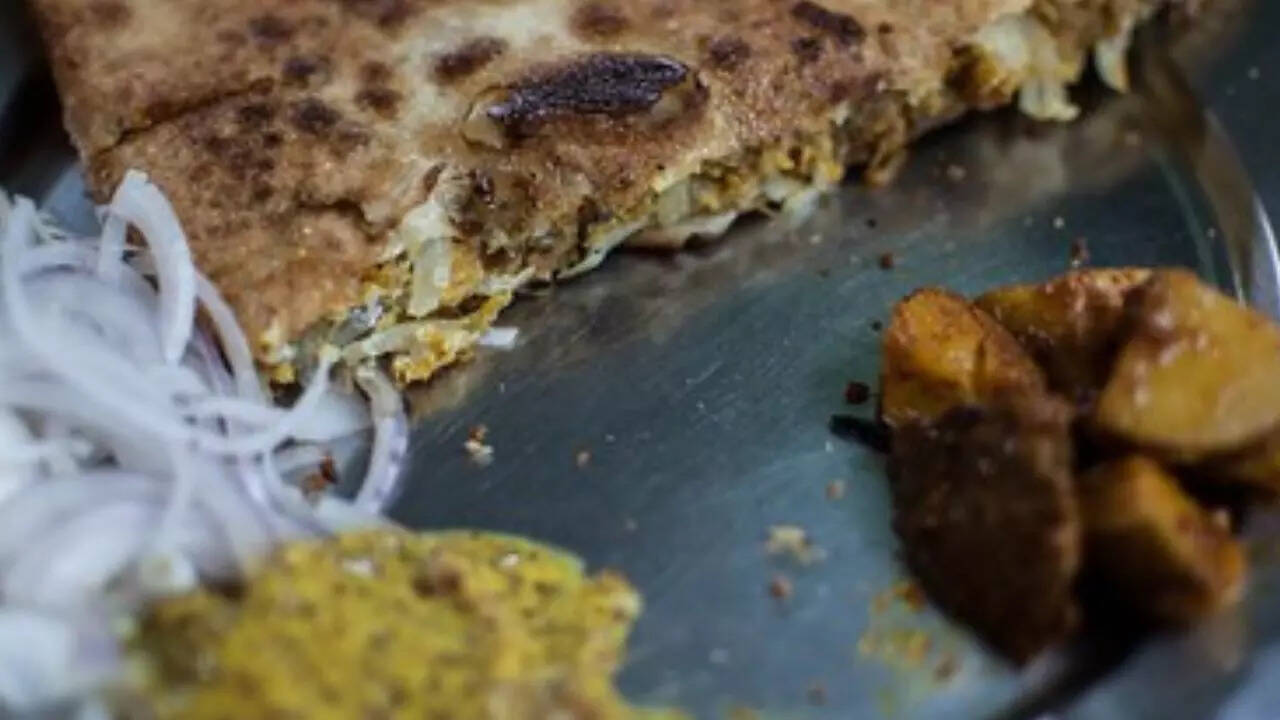
Image credit: Indrajit Lahiri
Pice hotel mealPice hotels are a Kolkata institution, shaped by necessity rather than nostalgia. They emerged in the 1930s and ’40s, when the city saw an influx of students, office workers, and traders living in hostels and messes without kitchens. These were places meant for everyday eating—predictable, affordable, and filling. The name comes from a time when food was priced in paisa, and a basic meal could be had for a few pice.
The structure of the meal reflected that logic: every item priced separately, allowing diners to choose exactly what they could afford.
Menus change daily and are usually written on blackboards. Steamed rice, dal, seasonal bhaja, one or two vegetable preparations, and fish or meat curries form the core. The fish is practical and familiar, most commonly rui, katla, or charapona, served as jhol or jhal. Meat dishes like kosha mangsho or chicken appear on certain days.
The cooking is simple, seasonal, and recognisable, closer to home food than restaurant fare.
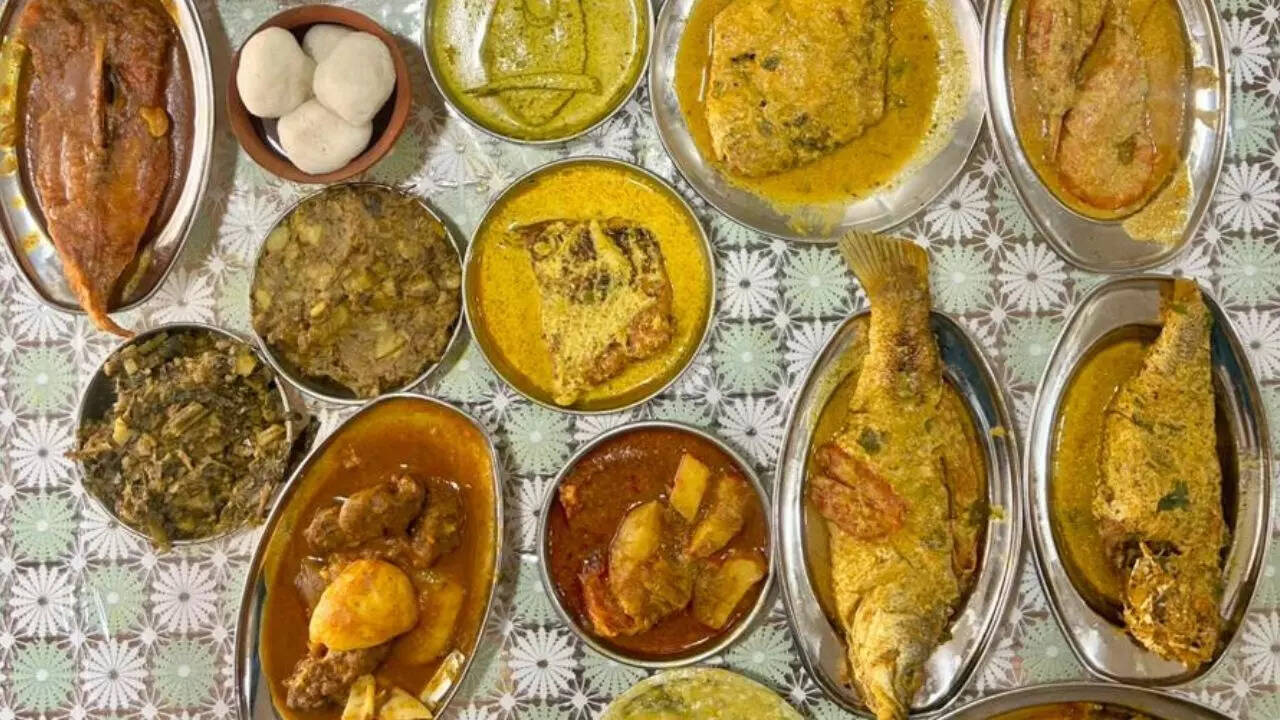
Image credit: Indrajit Lahiri
Food researcher Pritha Sen traces pice hotels back to the 1930s and ’40s, when they emerged as inexpensive eating houses for students, daily-wage earners, and office workers far from home. The food was simple, home-style, and dependable, much like eating without knowing what would be on the table. Pice hotels are visited regularly, by individuals, families, and groups alike.
Many are disappearing, not because the food has lost relevance, but because everyday eating spaces rarely receive attention until they are gone.Cabin food Cabins are another Kolkata-specific institution. In their early decades, they offered privacy in public, small enclosed booths where people could sit for long hours with minimal orders. Their menus reflected Anglo-Indian and colonial-era influences. Chops and cutlets formed the backbone: fish fry, fish cutlet, chicken cutlet, prawn cutlet, kabiraji, dim-er devil.
These were served with distinctive salads, onion, boiled potato, cucumber, along with kasundi.
In older and larger cabins, Mughlai paratha was a staple, alongside chicken stew, kosha mangsho, and sometimes simple biryani or fried rice. Strong tea and coffee anchored long sittings. Many cabins have shut down quietly. The booths may be gone, but the food they normalised continues to define how Kolkata eats.
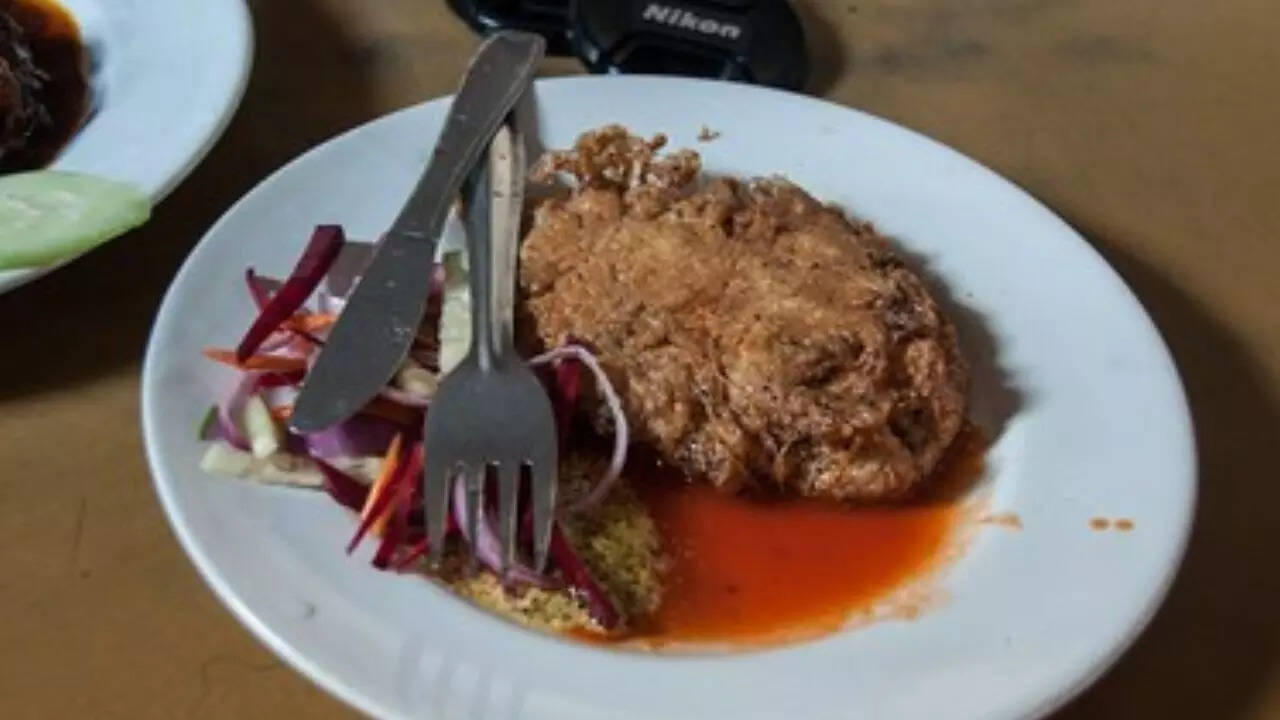
Image credit: Indrajit Lahiri
Ghoti GoromGhoti Gorom was one of the city’s most loved evening snacks.
Vendors walked through neighbourhood lanes carrying boiled peas in a metal ghoti. As they walked, they shook the pot to create a sharp metallic sound and called out, “Ghoti Gorom!” The sound travelled through the para, drawing people out with coins in hand. The peas were mixed on the spot with chopped onion, green chilli, coriander, salt, and mustard oil, and served steaming hot in paper cones.
Today, both the sound and the sellers are rare, not because the food lacked demand, but because it was never celebrated.Alu KabliAlu kabli once belonged to school gates and para corners. Boiled potatoes, chickpeas, lime, chilli, and mustard oil, mixed fresh every time. Cheap, sharp, and filling, it is one of Kolkata’s iconic evening snacks. There are far fewer alu kabli sellers today. Packaged snacks have replaced hand-mixed food, and with them, a certain immediacy has quietly disappeared.Keema Doi Bora: Almost forgottenKeema doi bora is one of the foods Kolkata has nearly lost. Once found in parts of Burrabazar and surrounding areas, it combined soft lentil dumplings soaked in curd with spiced minced meat.
Rich, messy, and deeply local, it is now extremely hard to find. Its disappearance is a reminder of how easily foods vanish when they fall outside popular narratives.Still everywhere, yet rarely celebratedDim toast, dim-er devil, chop–muri, telebhaja, fish chop, ghugni–paruti, kochuri–torkari, these remain among the most sold snacks in Kolkata, especially in the evenings and sometimes even for breakfast. They are not dying.
They are simply overlooked, surviving on habit rather than recognition.
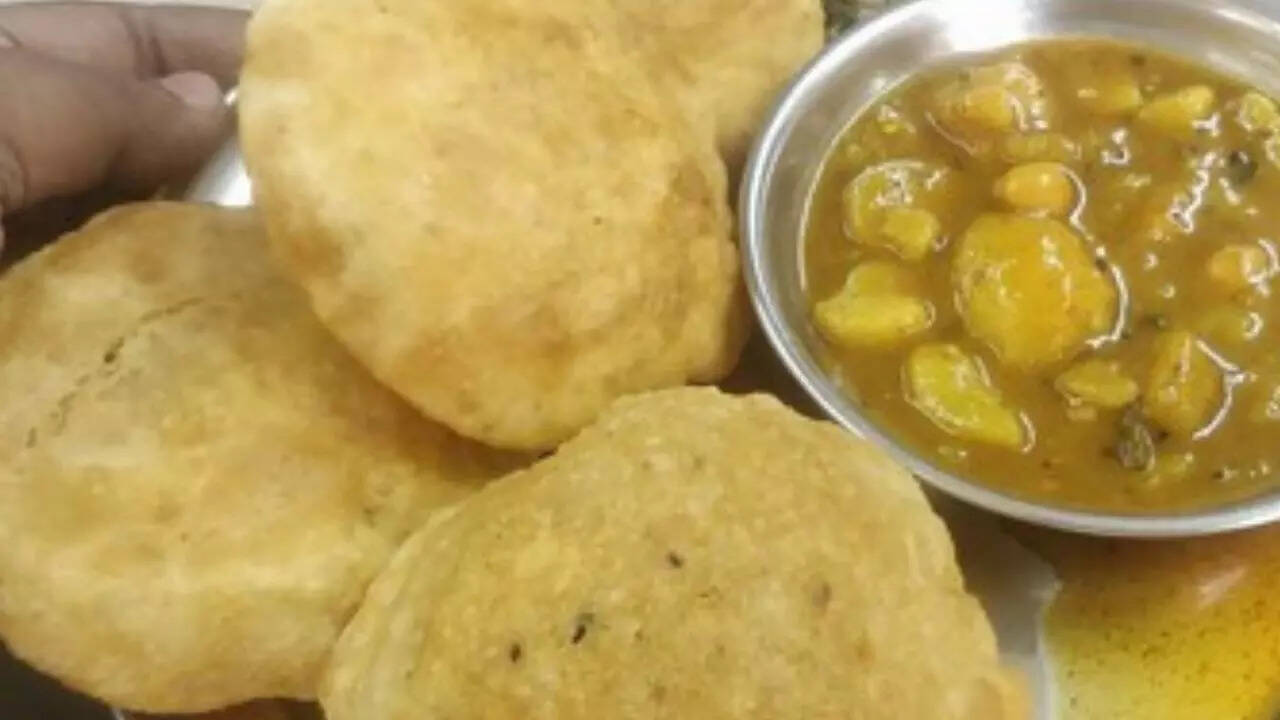
Image credit: Indrajit Lahiri
So where does that leave us?Probably standing on some Kolkata footpath, holding a paper plate in one hand and wiping our fingers with the other. Because if one really thinks about it, Kolkata’s food has never been about one perfect dish or one famous restaurant. It has always been about small, stubborn places that keep cooking, day after day, for people who need to eat, not impress.
The roll-maker who knows exactly how much onion you like. The pice hotel dada who serves you your favourite piece of fish because you look tired.
The vendor whose call once echoed through the lanes.These are not places made for photographs. They are made for people. And before they disappear quietly, they deserve to be celebrated hugely. While many of these foods are still sold in large numbers, the growing generation is more fascinated with cafe culture, pizza, pasta, and food delivery.
If these bylane staples are not celebrated now, the question remains, will they survive the next 10–20 years, or quietly disappear? Cities don’t lose food suddenly, they lose it quietly.
One evening, a Ghoti Gorom seller doesn’t show up. By next winter, no one asks why. Kolkata remembers through its food, its streets, its routines, but memory doesn’t survive if it isn’t tasted. The real worry isn’t that the next generation might skip Ghoti Gorom or alu kabli. It’s that they may never even know what they are missing. Street food was never just about hunger. It was about timing, community, and local rituals. When these foods disappear, we don’t just lose a snack. We lose a way of being in the city. Maybe the responsibility isn’t only on vendors or authorities, it’s on all of us. To stop once in a while. To choose the familiar over the fancy. To remember that culture lives not in museums, but on footpaths, in paper cones, and in the steam rising on a winter evening.Once it’s gone, no Instagram reel can bring it back.






 English (US) ·