

 1 hour ago
4
1 hour ago
4
ARTICLE AD BOX
Last Updated:March 19, 2026, 20:11 IST
The US-Israel conflict with Iran has hit energy infrastructure, raising oil prices and reducing production capacity by one third.


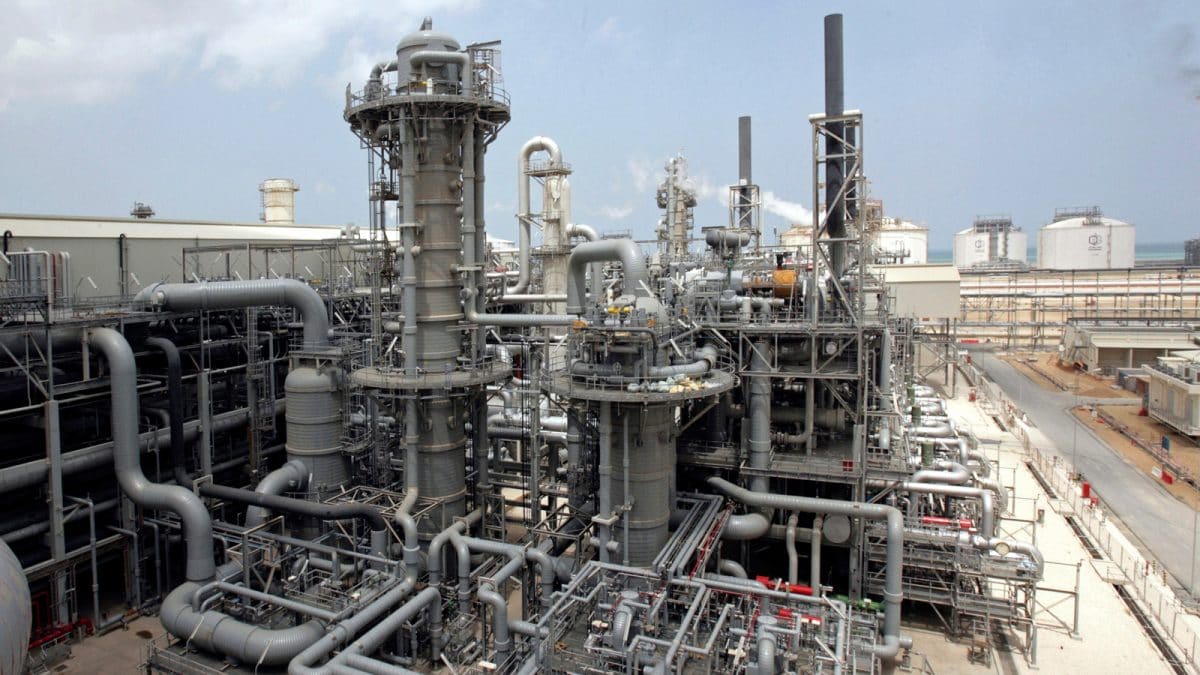
Ras Laffan gas facility in Qatar. (representational pic via AP)
The US-Israel conflict with Iran has entered a phase where energy infrastructure is no longer collateral damage but a primary target. From LNG hubs to refineries and export terminals, strikes across West Asia are tightening global supply and pushing oil prices higher.
Qatar: World’s Leading LNG Exporter Under Fire
Ras Laffan LNG hub
Iranian strikes caused “extensive damage" and fires at Ras Laffan, the backbone of Qatar’s energy sector and the world’s largest LNG facility.
Qatar is among the top LNG exporters globally, and disruptions here directly impact gas supplies to Europe and Asia.
Kuwait
Mina Abdullah refinery
Mina Al-Ahmadi refinery
Coordinated drone attacks triggered fires at two of Kuwait’s largest refineries, both later contained. Simultaneous strikes on multiple facilities indicate widening targets and threaten refined fuel output.
Saudi Arabia
Samref refinery (Yanbu)
Ras Tanura refinery
A drone hit the Samref refinery in Yanbu, while Ras Tanura, one of Saudi Arabia’s key refining hubs on the Persian Gulf, was struck earlier, forcing partial shutdowns. Yanbu is crucial as it bypasses the Strait of Hormuz, making it a vital fallback export route.
UAE
Ruwais refinery complex
Operations were halted as a precaution after a drone targeted the surrounding industrial zone. Even precautionary shutdowns at one of the world’s largest refining complexes can tighten global supply chains.
Oman: Strategic Route Under Pressure
Duqm energy and port complex (indirect impact/heightened alert)
While Oman has not reported direct strikes on major facilities, the Duqm port and energy complex critical for bypassing the Strait of Hormuz has come under heightened security alert amid the conflict.
Oman’s infrastructure is key to alternative shipping routes. Any threat or disruption here could further tighten global supply options.
Iran
South Pars gas field
Kharg Island oil terminal
Tehran oil refinery
Iran’s own infrastructure has also been struck, from the South Pars gas field, which is shared with Qatar (key to domestic supply), to Kharg Island (handling ~90% of exports) and a major refinery in Tehran’s outskirts, which led to the whole city being covered in thick black smoke and acid rain.
According to the International Energy Agency (IEA), oil output from Gulf countries (excluding Oman) has dropped from around 30 million barrels per day last year to nearly 20 million currently.
With Hormuz effectively constrained and alternative routes like Yanbu under threat, the margin for absorbing supply shocks is rapidly shrinking.
The conflict has now transformed energy infrastructure into a central battlefield.
From LNG hubs and gas fields to refineries and export terminals, each strike is amplifying global economic risk. What began as targeted military action has evolved into a full-spectrum energy confrontation.
If attacks intensify or key facilities suffer prolonged outages, the fallout could extend far beyond West Asia triggering sustained fuel shortages, price spikes and wider geopolitical instability.
First Published:
March 19, 2026, 20:11 IST
News world From Qatar To Saudi: Iran War Targets West Asia’s Critical Energy Arteries | See List
Disclaimer: Comments reflect users’ views, not News18’s. Please keep discussions respectful and constructive. Abusive, defamatory, or illegal comments will be removed. News18 may disable any comment at its discretion. By posting, you agree to our Terms of Use and Privacy Policy.
Read More







 English (US) ·