

 1 hour ago
6
1 hour ago
6
ARTICLE AD BOX

As Calcutta Times turns 25, we revisit the city’s spaces that have quietly transformed over the years. Few illustrate Kolkata’s evolving cultural landscape as vividly as Currency Building and Metcalfe Hall in B.B.D.
Bagh. Once part of the colonial administrative and financial heart of the city, both buildings had slipped into neglect by the late 20th century. Today, after extensive conservation by the Archaeological Survey of India (ASI), they are re-emerging as cultural spaces , hosting exhibitions, museums and public programmes that reconnect the city with its layered past.
Currency Building
Then:Built in 1833 as the Calcutta branch of the Agra Bank, the Currency Building later became the Office of the Issue and Exchange of Government Currency in 1868, giving the structure its present name.
Its cavernous central hall once housed exchange counters where coins, banknotes and precious metals circulated during the British Raj. Between 1935 and 1937, the building briefly served as the first central office of the Reserve Bank of India before the institution shifted to Bombay.
In the decades that followed, the structure fell into disrepair. Parts of the building were used by government departments, and demolition work even began in the mid-1990s before heritage activists intervened.
The building was eventually taken over by the Archaeological Survey of India, which undertook a long restoration before reopening it as a cultural space in 2020.Now:Today, the Italianate structure functions as an exhibition venue in collaboration with the National Gallery of Modern Art (NGMA). The building still preserves traces of its earlier life, including two historic metal currency chests once used to store money.
Entry remains free, and exhibitions have often brought visitors into the beautifully restored galleries and courtyard. The venue is currently closed to the public until its next exhibition venture begins.
Visitor Priya Das says the building’s charm lies in its layered history. “I visited the Currency Building for the first time during the exhibitions; stepping into it felt like opening a forgotten diary,” she says.
“The architecture reminds you of its past, but the art exhibitions make the space feel alive again.”
Metcalfe Hall
Then:Just a short walk away stands Metcalfe Hall, one of Kolkata’s most striking colonial-era landmarks. Completed in 1844, the building was designed in the Greek Revival style, inspired by classical temples, with imposing Corinthian columns and a grand façade.The structure originally housed the Calcutta Public Library, one of the earliest public libraries in India.
Over time, it served various institutional roles, including housing the Asiatic Society.Like many historic buildings in the area, Metcalfe Hall eventually suffered structural deterioration before conservation work began.Now:Following restoration by the ASI, the building has reopened to the public and now houses the Ami Kolkata Museum, which tells the story of the city through photographs, artefacts and multimedia displays.
Visitors can explore the restored interiors and exhibitions while admiring the monumental architecture. Entry to Metcalfe Hall costs ₹25 (₹20 if booked online). For many young visitors, the building has become both a cultural stop and a visual landmark.
Student Dibyajyoti Bose says the space has a special appeal.“Metcalfe Hall has become a great place for art lovers and also a selfie spot. Just stepping inside it feels amazing,” he said.
Why we love them
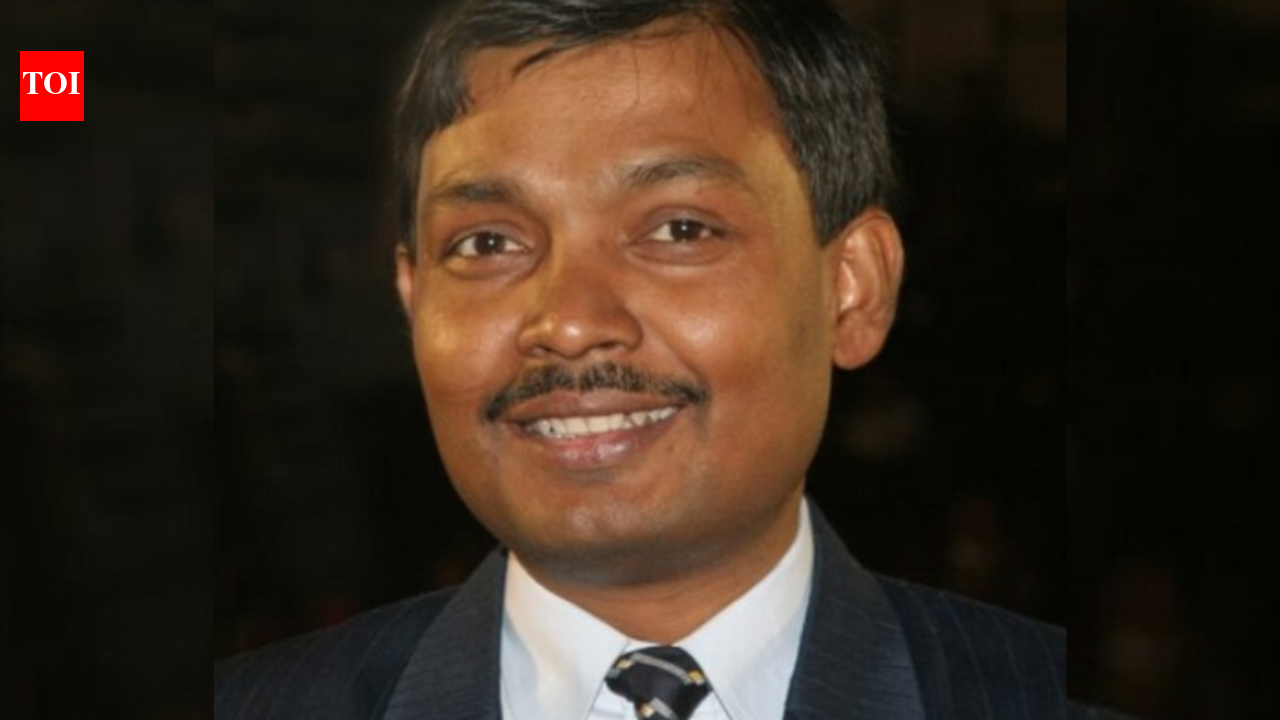
Because both buildings were rescued from years of neglect and given a second life through conservation.Because they stand in the heart of historic B.B.D. Bagh, reminding visitors of Kolkata’s colonial past while serving contemporary cultural purposes.Because Currency Building offers free access to art exhibitions in a beautifully restored heritage structure.Because Metcalfe Hall now houses a museum that tells the story of the city itself.And because together, they show how historic architecture can be preserved not as relics, but as living public spaces.“Both these buildings were in very pathetic condition. The stairs and interiors were damaged over the years. Most of the portions that you see today have been restored by the ASI, and now they are functioning as cultural spaces where people can reconnect with their heritage.”- Dr Rajendra Yadav, Superintending Archaeologist, ASI Kolkata Circle






 English (US) ·