

 4 hours ago
5
4 hours ago
5
ARTICLE AD BOX
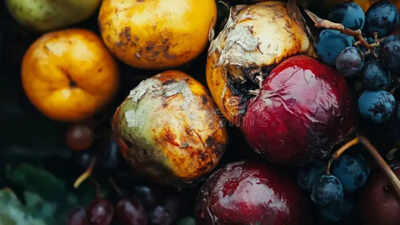
Bananas browning before you even get a chance to eat them.Avocados all ripening at once.Tomatoes going soft during shipping, so they barely survive the trip to the supermarket.We’ve all come across situations like these at some point or another.
It’s frustrating for shoppers, but honestly, it’s just as bad for farmers and stores. Now, scientists think they’ve found a surprising solution that might help slash food waste on a huge scale.
What’s the idea?
Per Eureka Alert, a team from the University of Copenhagen and international partner institutions has developed a special clay that binds to ethylene, the gas that causes fruit and veggies to ripen. By trapping that gas, the clay slows down ripening, so the produce lasts longer.
This could make a big dent in how much food is wasted every year, most of which happens before it even reaches your kitchen.That matters because, right now, millions of tons of fresh produce get tossed every single year before anyone even takes a bite. Most of the waste happens in storage or during transport, especially since food often travels a long way before reaching supermarkets.
The gas that plays the culprit
What sits at the heart of this special discovery? It’s ethylene, a naturally occurring plant hormone released as a gas by many fruits and vegetables.
It’s what tells fruit when to go from hard and green to soft and sweet. Bananas, avocados, tomatoes, apples — they all produce ethylene as they ripen.But here’s the problem about ethylene: if you store a bunch of fruit together in one place, the ethylene starts to build up. The gas kicks off a ripening chain reaction, and before you know it, your shipment’s overripe or turning bad.That makes ethylene a big target for scientists who want to make our food chain more efficient.
Researchers describe ethylene as one of the key drivers of post-harvest food loss. So, if you control the gas, you give yourself a fighting chance to keep produce fresh.
How did the researchers come up with the invention?
For starters, the team started with a naturally occurring clay mineral and turned it into a kind of sponge that soaks up ethylene from the air around the fruit and veggies. According to the University of Copenhagen, they succeeded in designing a clay material that acts almost like a sponge for the ripening gas.Instead of letting the gas do what it wants, the clay traps it and keeps it away from the produce. That slows everything down — less speed-ripening and rotting. The researchers think these clay sponges could get added to packaging, shipping containers, or storage rooms all along the food chain.The project was helmed by researchers associated with the University of Copenhagen and the Lawrence Berkeley National Laboratory in the United States; scientists in Australia and from other international institutions contributed, too.
What’s the significance of this clay?
This isn’t just about letting your bananas last an extra day. It’s bigger. When fruit and veg spoil early, all the resources that went into growing them (water, fertiliser, energy, shipping) get wasted, too. And decomposing food is a big player in greenhouse gas emissions.Countries that rely on imported produce feel this most. Bananas from Central America, mangoes from South America, tomatoes criss-crossing Europe — all the produce spends weeks on ships and trucks.
Every day matters when trying to keep it fresh.If this clay works at scale, it could save a lot of food from going bad before it even hits the store shelves.On a bigger scheme of things, the clay project is one of a whole bunch of new ideas scientists are exploring to stop food from wasting away. There’s work on edible coatings and protein-based barriers, better packaging, and ways of using other types of clays or even proteins to block ethylene.What makes this new clay more interesting is that it’s affordable, there is tons of it, and you don’t need fancy chemicals, which could be the edge it needs for mass adoption.
What’s next?
The clay isn’t ready to go into every store right away. Scientists have more testing to do, checking if it holds up in real transportation and packaging, and figuring out what it’ll cost and how easy it’d be to use in practice.In a world where the food supply chain faces so much pressure — from more people, climate change, and disruptions — it’s reassuring to think an ordinary mineral might make a real difference. If future tests go well, this clay could help keep fruits and veg fresher for longer and put more of it on plates, not in the bin.









 English (US) ·