

 1 hour ago
4
1 hour ago
4
ARTICLE AD BOX
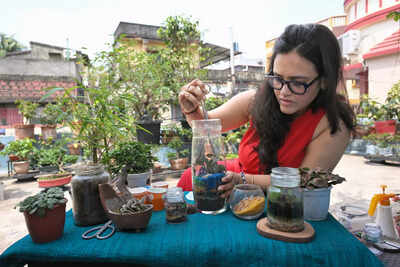
Alakananda Mukherjee making a terrariun
As Kolkata moves from spring into a long, humid summer, a quieter kind of green is finding its way indoors. Not sprawling balcony gardens or high-maintenance houseplants, but tiny, self-contained worlds- terrariums.
Housed in glass jars, bowls, and repurposed vessels, these miniature ecosystems are showing up everywhere: on work desks, windowsills, coffee tables. Equal parts décor and mood-setter, they offer what the city increasingly leans towards, low-effort greenery with a built-in sense of calm.
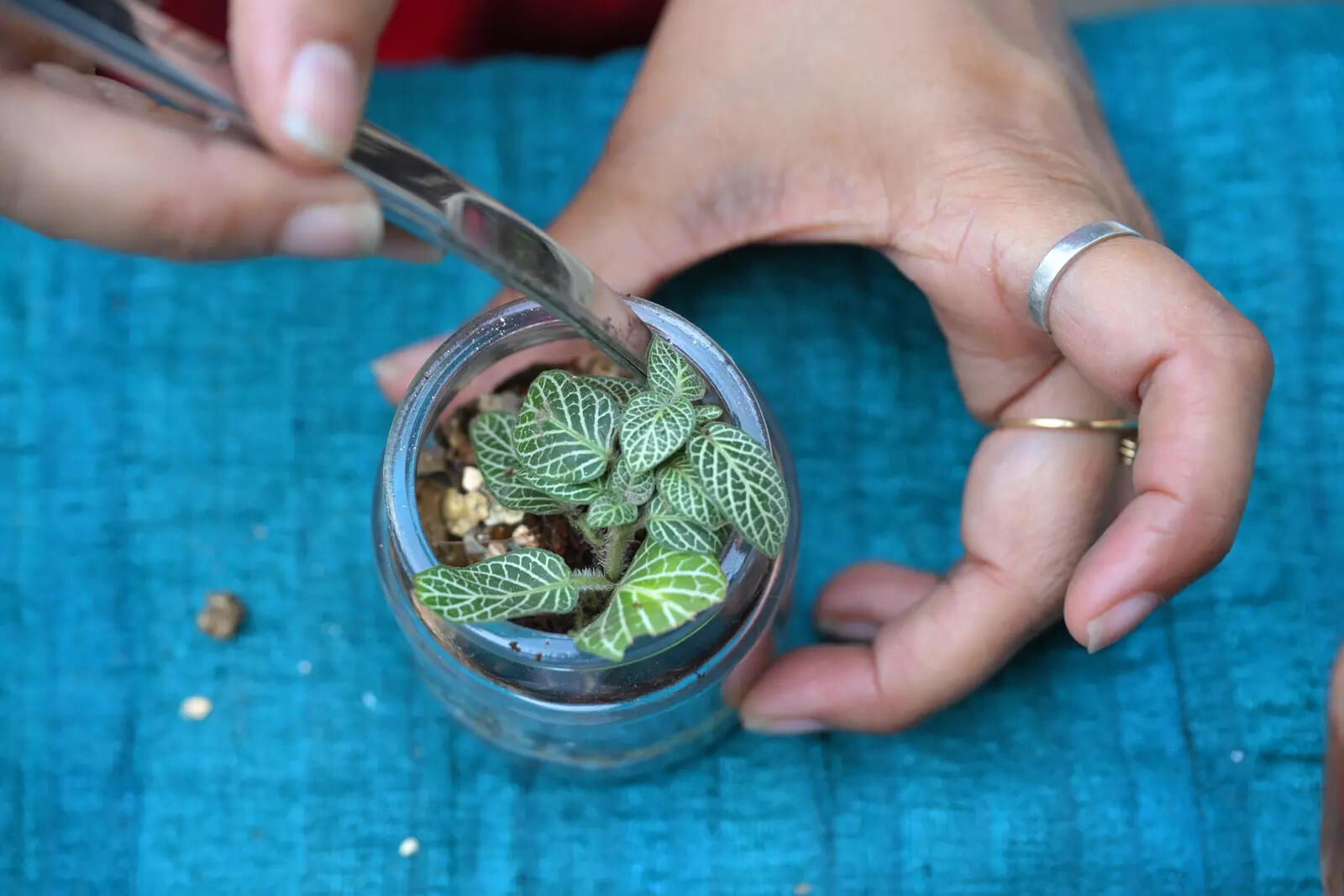
pics Anindya Saha
Beginner friendly craftWhat’s driving the terrarium boom isn’t just how they look, but how they feel to make. “Terrariums have become popular largely because they fit perfectly into the lifestyle of urban apartment dwellers,” says Rivu Bhattacharya, co-founder of a workshop company.
“In Kolkata, people love greenery but don’t always have the space. This is a compact, low-maintenance way to bring nature indoors.” “You’re working with a contained ecosystem,” he adds.
“The plants need less care, and even beginners can build one within an hour.” Workshops in cafés and community spaces are drawing young professionals and first-time plant parents. “Creating a terrarium is both relaxing and creative- it’s equal parts art, gardening, and therapy.”
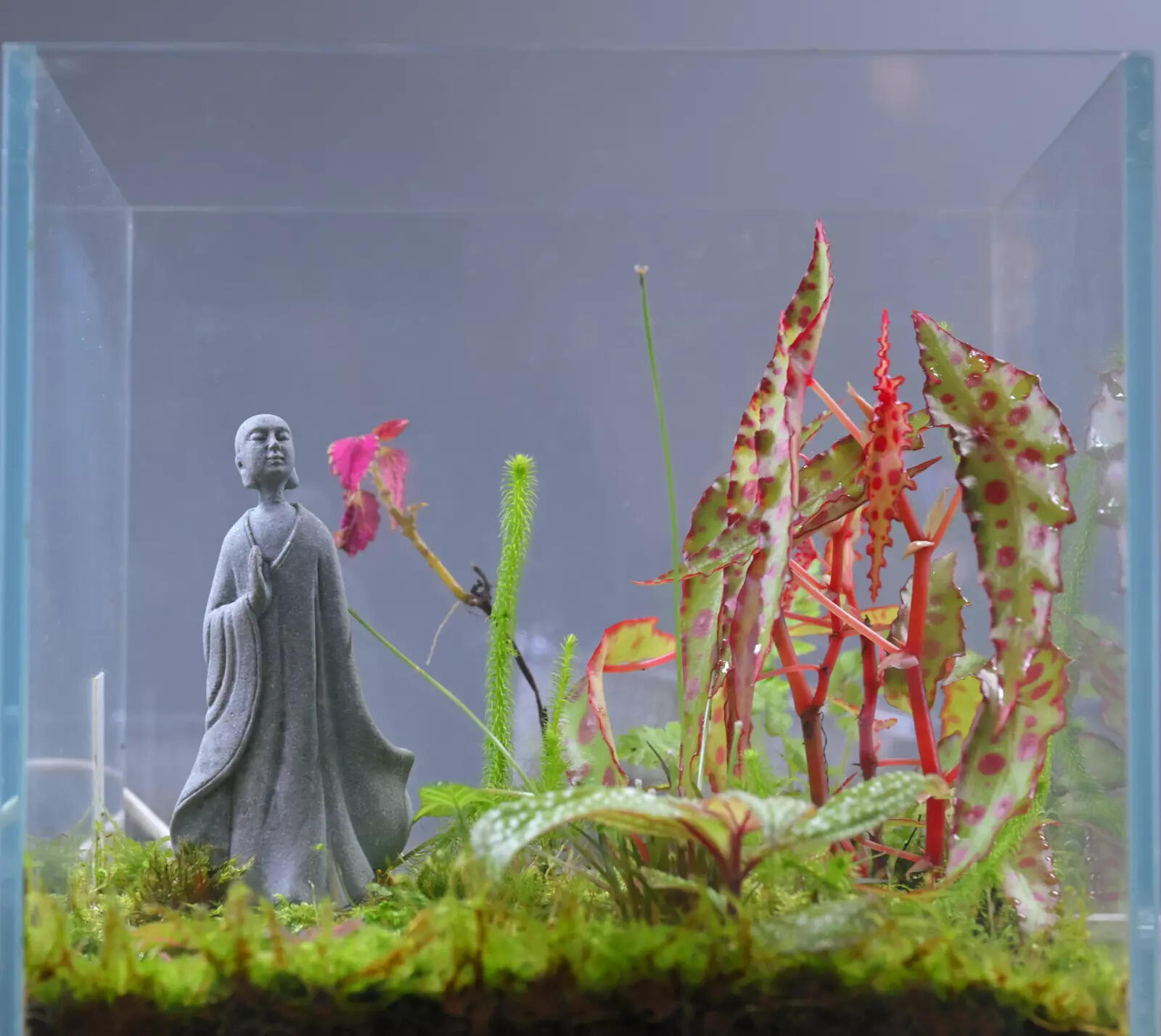
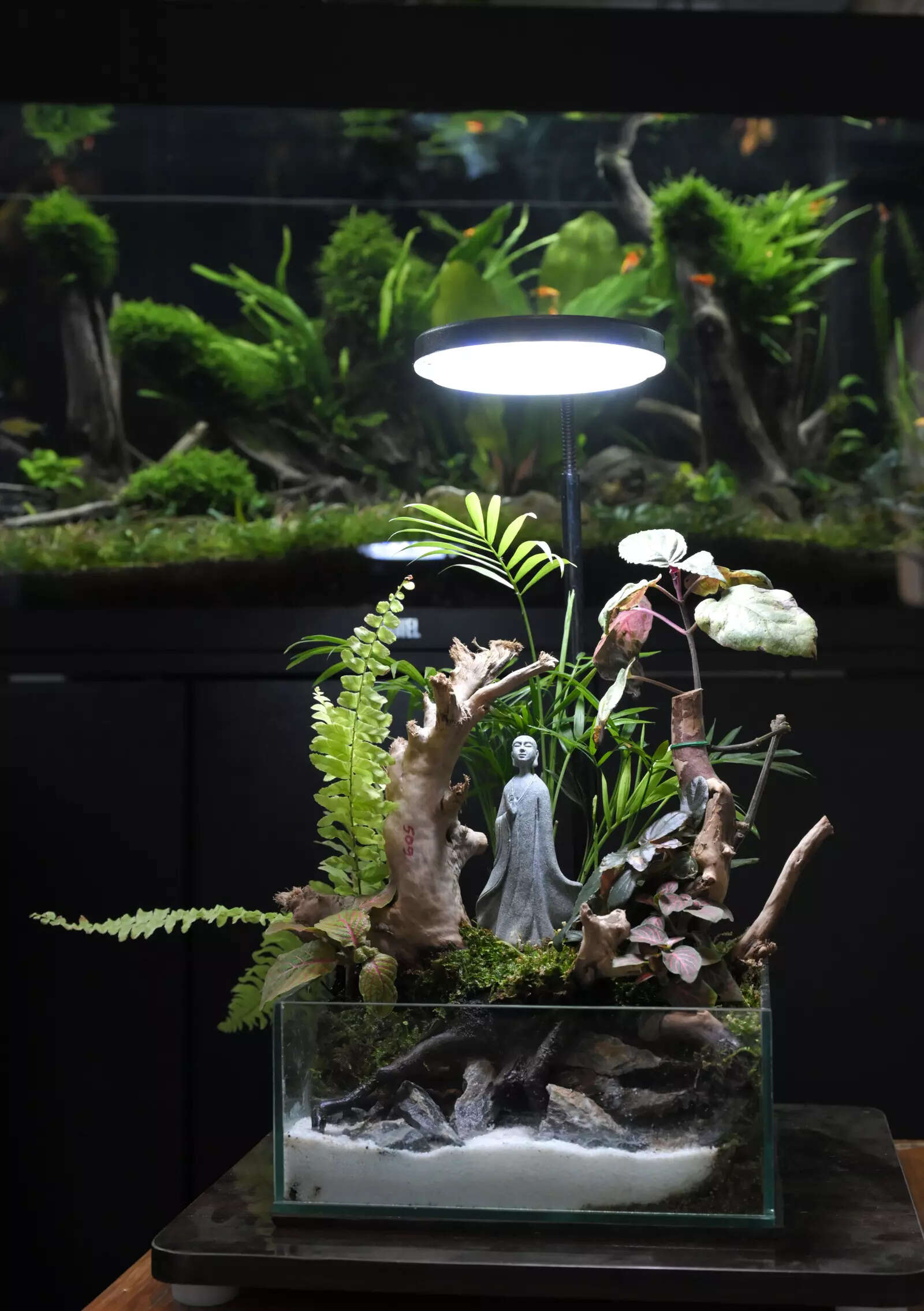
That playfulness shows in design too. “People are going far beyond ‘plant in a glass jar’,” says Alakananda Mukherjee. “We’re seeing fairy gardens, tiny story setups, even inside jokes,” with figurines and coloured stones adding a personal touch.
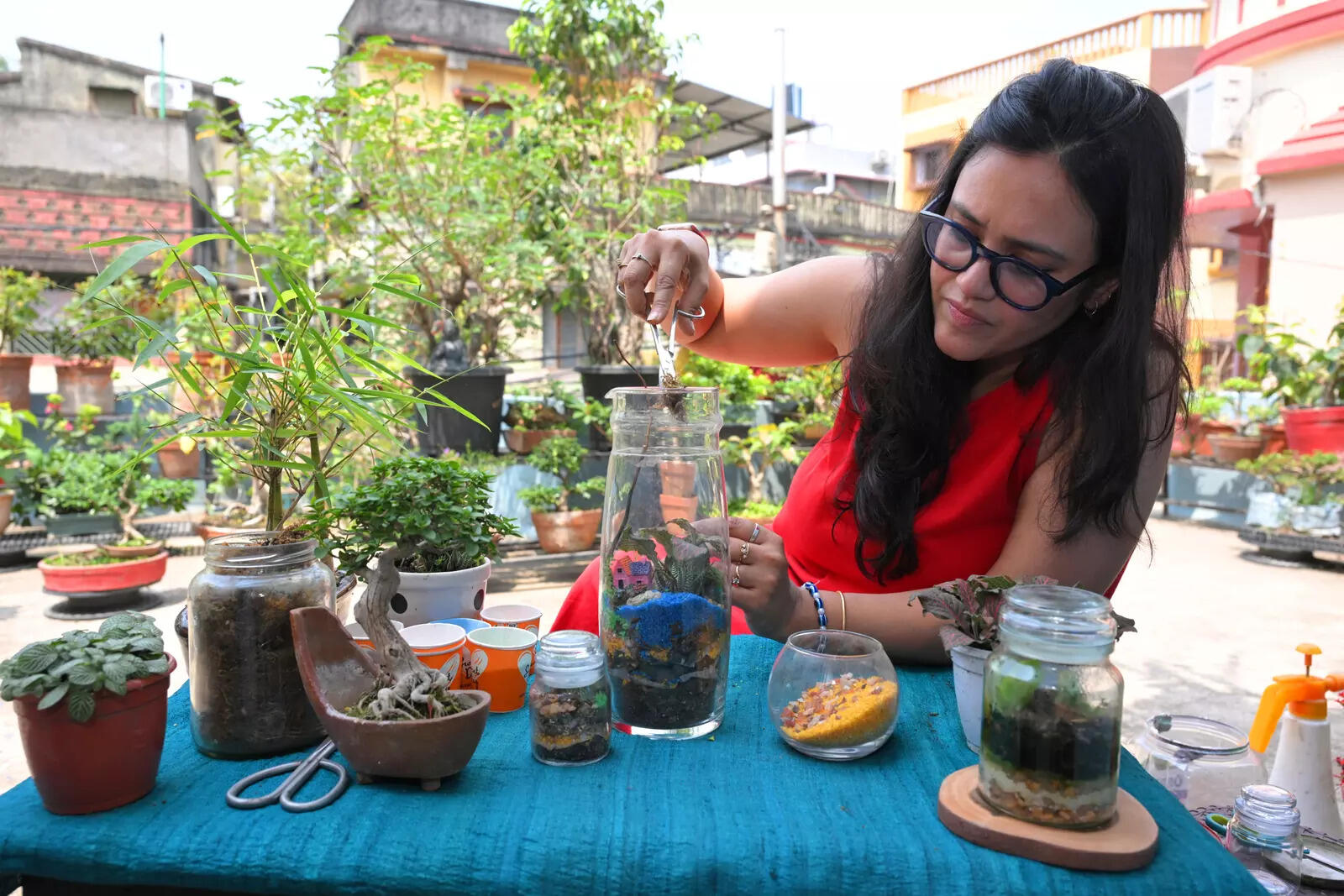
Making a terrarium is very personal. You touch the soil, build it layer by layer, and somewhere in that process, you just slow down. It’s quiet, calming… almost therapeutic. For a bit, your mind switches off and you just feel lighter.
Alakananda Mukherjee, bonsai and terrarium artist
Small, sustainable & adaptablePart of the appeal lies in how easily terrariums fit into a more mindful, sustainable way of living. You don’t need anything new- an old glass jug, bowl, or jar can become the base.
Add plants, soil, and stones, and you have a living piece that evolves over time. “Terrariums work because they don’t demand excess,” says Rivu. “It’s about using what you have and creating something meaningful out of it.” Kolkata’s climate also works in their favour.
“Plants like jade, fittonia, moss, ferns and peperomia thrive in humidity and indirect light,” he says, adding that excess moisture in summer may require occasional ventilation.
The demand reflects this shift. “It has increased due to urban living, low-maintenance appeal, and premium gifting trends,” says Parthapratim Chakraborty of Ripples, noting the popularity of minimal glass designs and handcrafted setups. There’s also a visual difference. “In a terrarium, the colouring of plants changes slightly because they’re in a semi-submerged environment,” says Mrinal Das. “It gives a different look compared to regular potted plants.”
Craft a living jarPick the right setup & plants: nGo for closed terrariums with tropical plants like fittonia, ferns, moss, peperomia or peace lily, they thrive in Kolkata’s humidity. Choose open ones only for succulents or cacti that need drier air.Get the basics right: Start with pebbles/charcoal for drainage, add soil, then plants. Keep your terrarium in bright, indirect light, never direct sun, which can overheat the glass.Don’t overwater: Closed terrariums need very little water, sometimes just once a month. If there’s heavy condensation, open the lid briefly; if it’s too dry, mist lightly.Keep it cool & clean: Avoid placing it near direct heat or harsh sunlight. Prune overgrowth, wipe the glass occasionally, and remove any dead leaves to prevent mould.Start simple, or learn hands-on: Use an old jar or bowl to begin. Basic setups cost around ₹500–₹800, while customised ones can go up to ₹2,000–₹5,000+.
Workshops across the city make it easy to learn and build one yourself in a few hours.
Kolkata’s warm and humid climate actually works quite well for many terrarium plants, especially tropical species. Plants like jade, fittonia, moss, ferns, peperomia, and small foliage plants thrive in terrariums because they enjoy humidity and indirect light.
Rivu Bhattacharya, co-founder of a workshop company
Where to find terrariums in KolkataSpeciality galleries (South Kolkata) - For premium, handcrafted and customised terrariums, along with curated plants and accessories.Independent plant boutiques (Ballygunge, Dhakuria, Kasba) -Good for ready-made terrariums, DIY plants like moss, ferns, fittonia, and decorative elements.Local nurseries & garden stores (Behala, Tollygunge, Gariahat, Salt Lake) – Budget-friendly options, basic terrariums, and indoor plants that are easy to maintain.Neighbourhood plant markets (New Market, Galiff Street) – Affordable plants, glass containers, and materials for DIY setups.Workshops across cafés & community spaces – A practical way to learn and create your own terrarium, often with materials included.Online platforms & homegrown sellers – For quick purchases, customised orders, and delivery across the city.








 English (US) ·