

 1 hour ago
3
1 hour ago
3
ARTICLE AD BOX
Last Updated:December 10, 2025, 13:00 IST
With 42 million residents, this Asian city dethroned Tokyo from the top spot this year, asper a UN report.
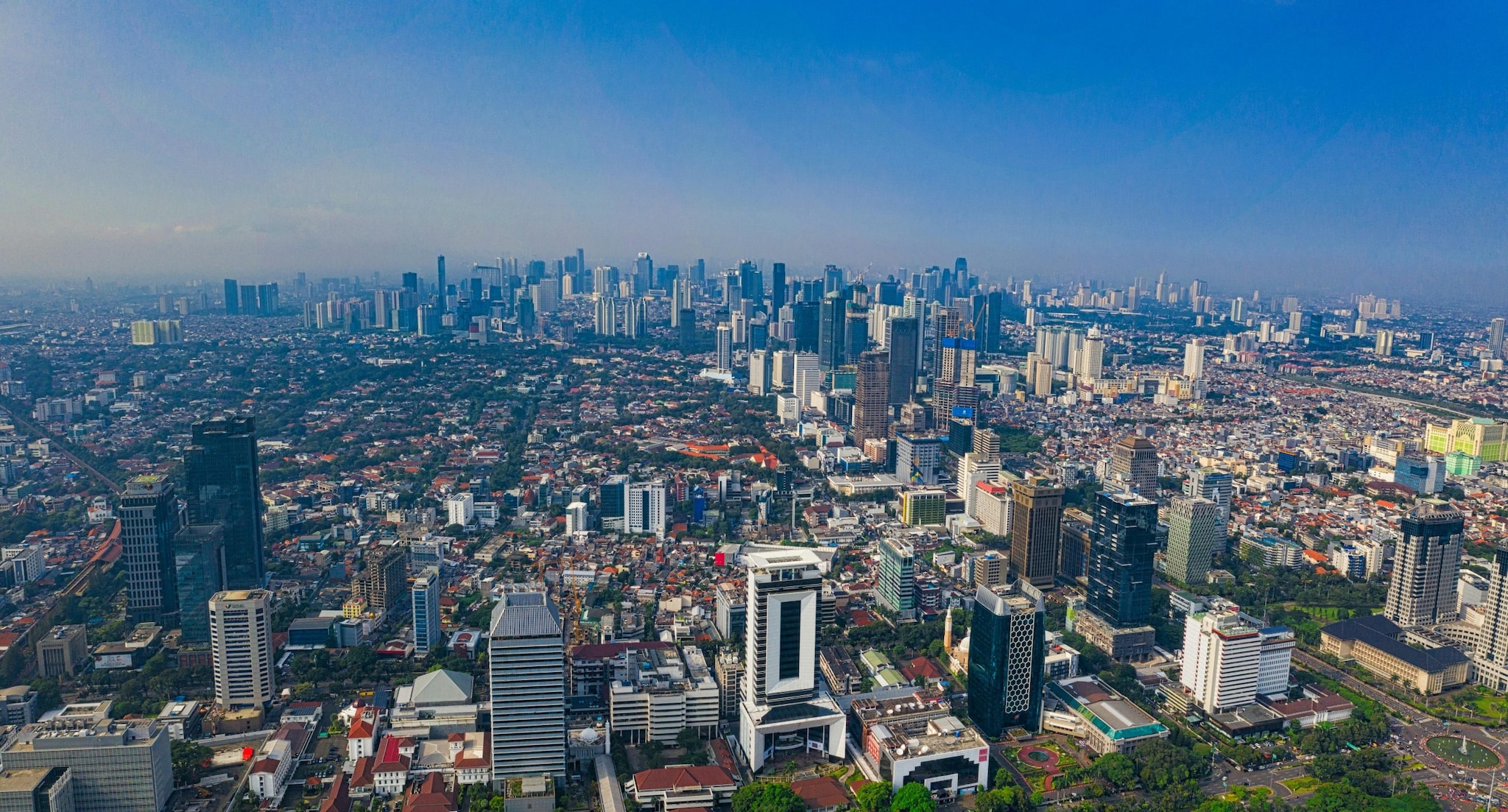
Indonesia’s capital, Jakarta, has overtaken Dhaka and Tokyo to claim the top spot in a new United Nations report, underscoring the rapid pace of urbanization across Asia. With an estimated population of nearly 42 million residents, Jakarta has soared from 33rd place in the 2018 rankings, when Tokyo held the crown, to number one in 2025. (Image: Pexels)
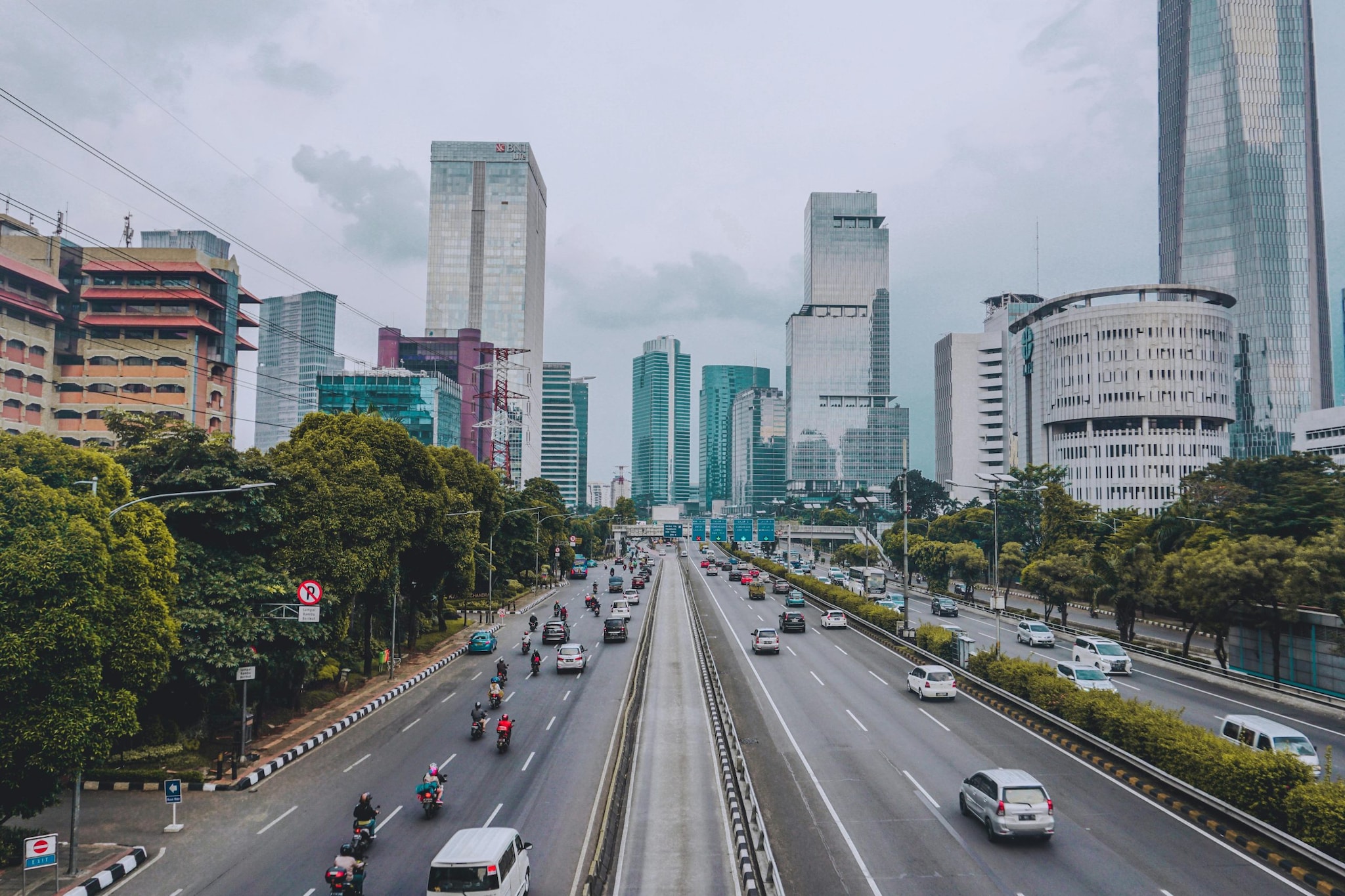
Jakarta’s rise highlights the extraordinary demographic shifts reshaping global cities. Dhaka, Bangladesh’s capital, follows closely with 36 million people and is projected to become the world’s largest city by mid‑century, with more than 52 million residents. Tokyo, once the undisputed leader, has slipped in the rankings as Japan grapples with an aging population and declining birth rates. (Image: Pexels)

The World Urbanization Prospects 2025 report notes that nearly half of the planet’s 8.2 billion people now live in cities, a figure that has doubled over the past 75 years. Asia dominates this urban landscape, with nine of the ten most populated cities located on the continent. Cairo, Egypt’s capital, is the lone exception, ranking seventh with 25 million residents, more than double the population of New York City. (Image: Pexels)
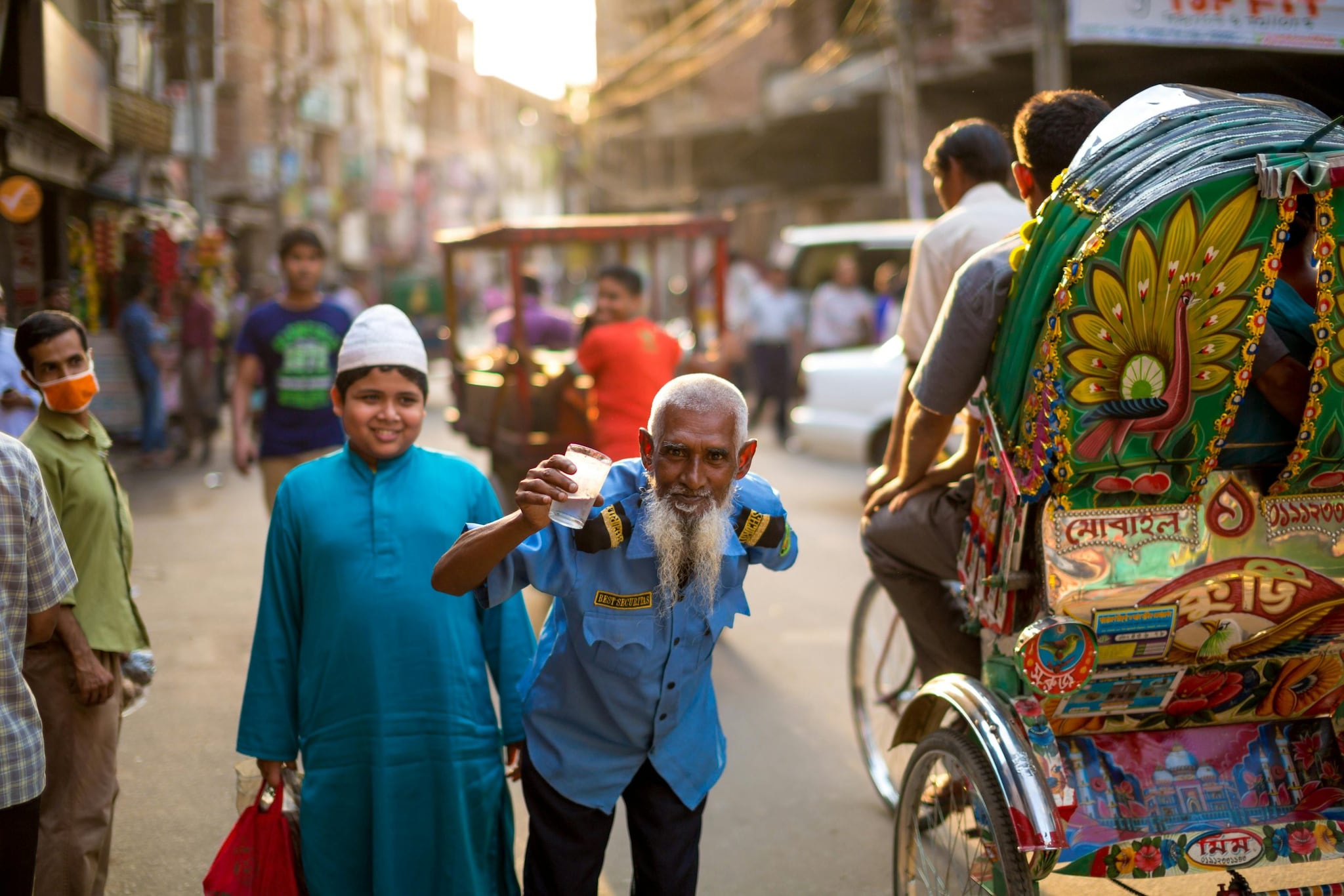
The rest of the top ten includes New Delhi (30.2 million), Shanghai (29.6 million), Guangzhou (27.6 million), Manila (24.7 million), Kolkata (22.5 million), and Seoul (22.5 million). Together, these megacities illustrate the scale of Asia’s urban transformation, where dense populations are reshaping economies, infrastructure, and social dynamics. (Image: Pexels)

“Urbanization is a defining force of our time. When managed inclusively and strategically, it can unlock transformative pathways for climate action, economic growth, and social equity,” said Li Junhia, United Nations undersecretary‑general for economic and social affairs. He emphasized the need for integrated national policies that align housing, land use, mobility, and public services to achieve balanced development across urban and rural areas. (Image: Pexels)

The report also highlights the explosive growth of megacities, defined as urban areas with populations exceeding 10 million. In 1975, there were just eight such cities worldwide. By 2025, that number has expanded to 33, with 19 located in Asia. Los Angeles and New York City remain the only megacities in the US. Looking ahead, the UN projects that by 2050 there could be more than 15,000 cities globally, most with populations under 250,000, reflecting both the spread of urbanization and the diversity of city sizes. (Image: Pexels)
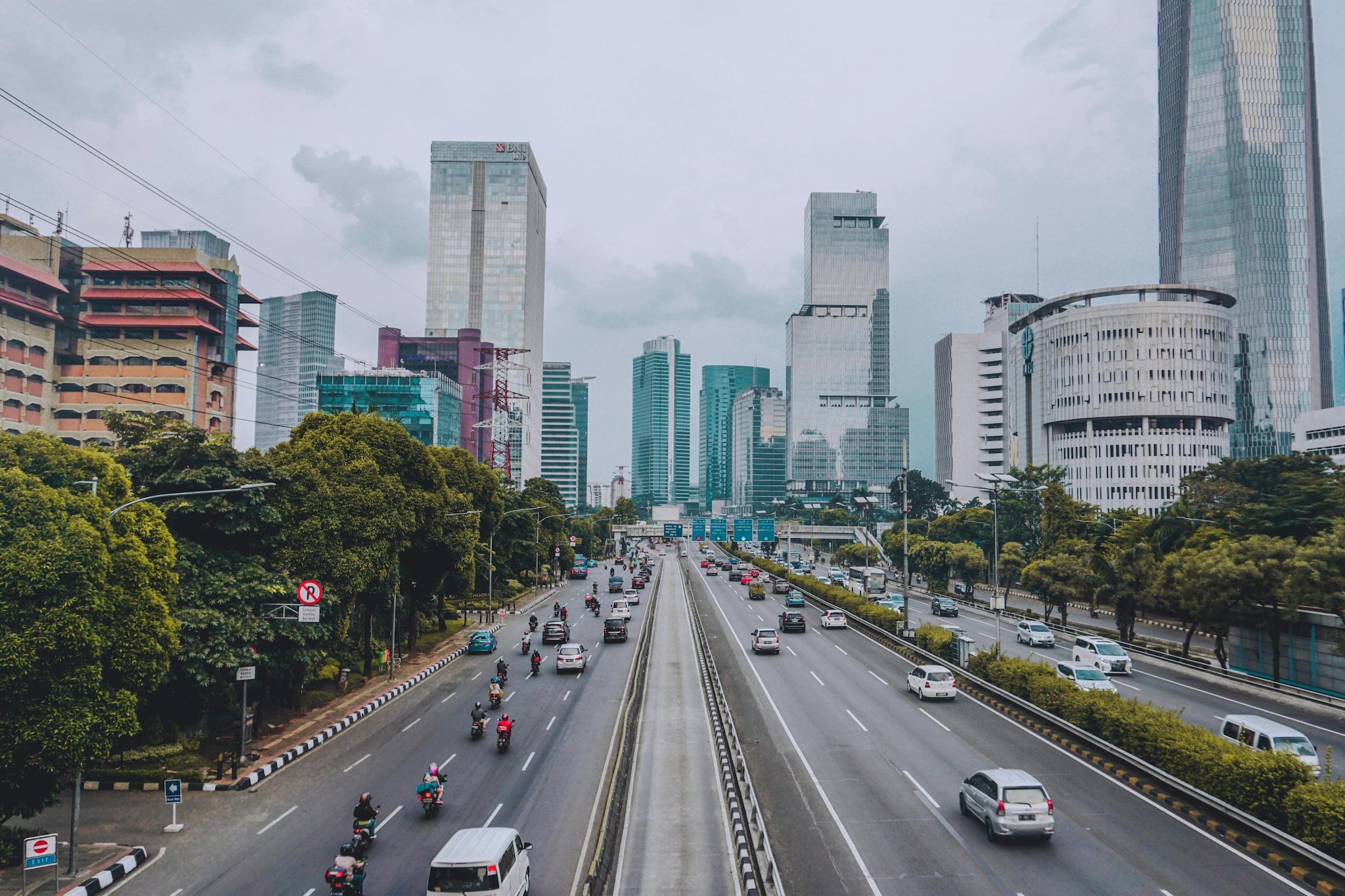
Jakarta’s new status comes with challenges. The city is overcrowded, polluted, and prone to natural disasters such as earthquakes and flooding. It is also sinking at an alarming rate due to excessive groundwater extraction and rising sea levels. Recognizing these vulnerabilities, former Indonesian President Joko Widodo announced in 2019 that the country’s capital would be relocated to Nusantara, a planned city in Borneo located 1,200 miles away. Nusantara, envisioned as a sustainable hub surrounded by rich biodiversity, was meant to ease the burden on Jakarta. (Image: Pexels)
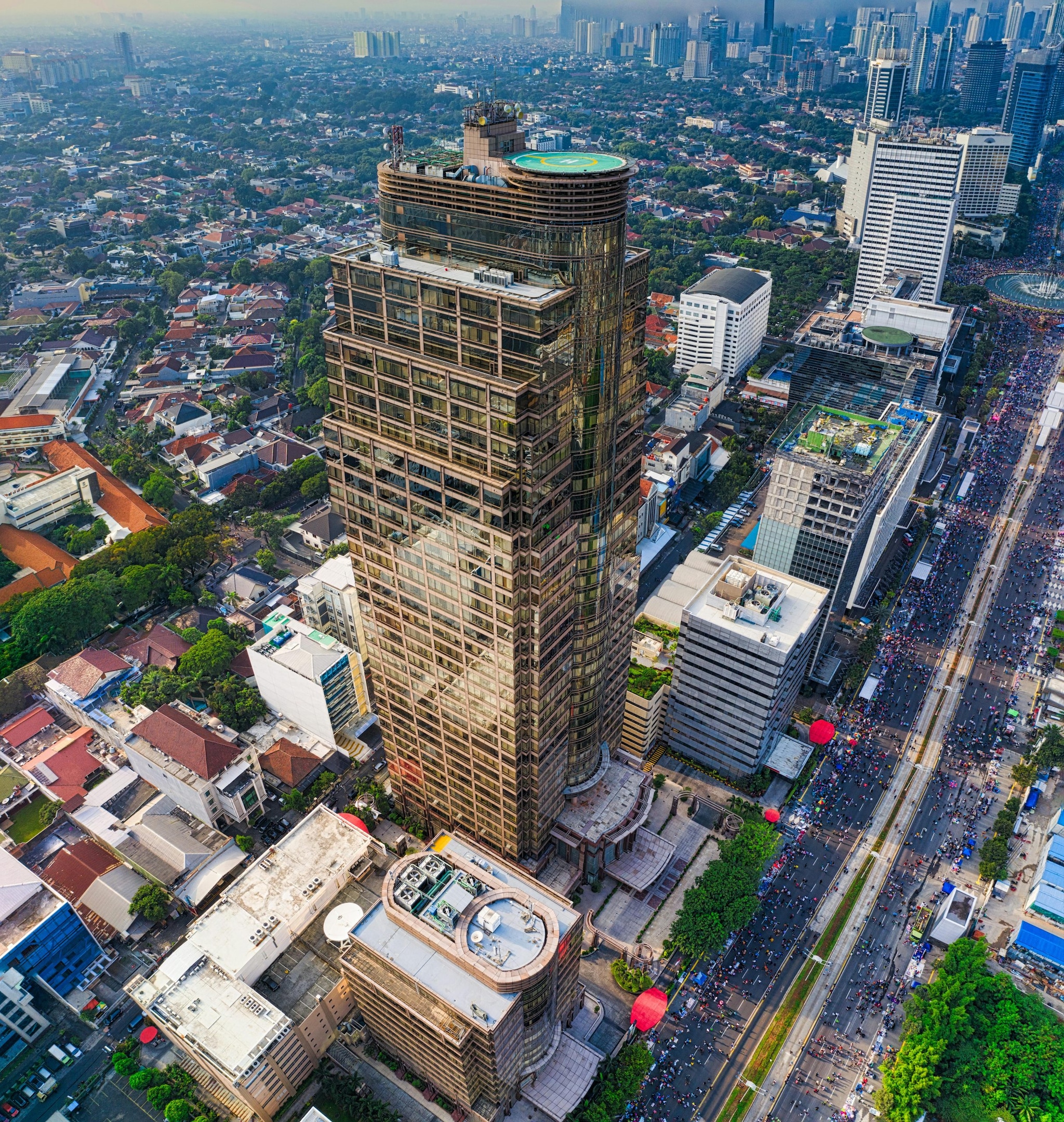
However, the relocation project has faced significant setbacks, including construction delays, limited foreign investment, and land management issues. As a result, Jakarta continues to shoulder the weight of being both Indonesia’s political center and the world’s most populous city. (Image: Pexels)
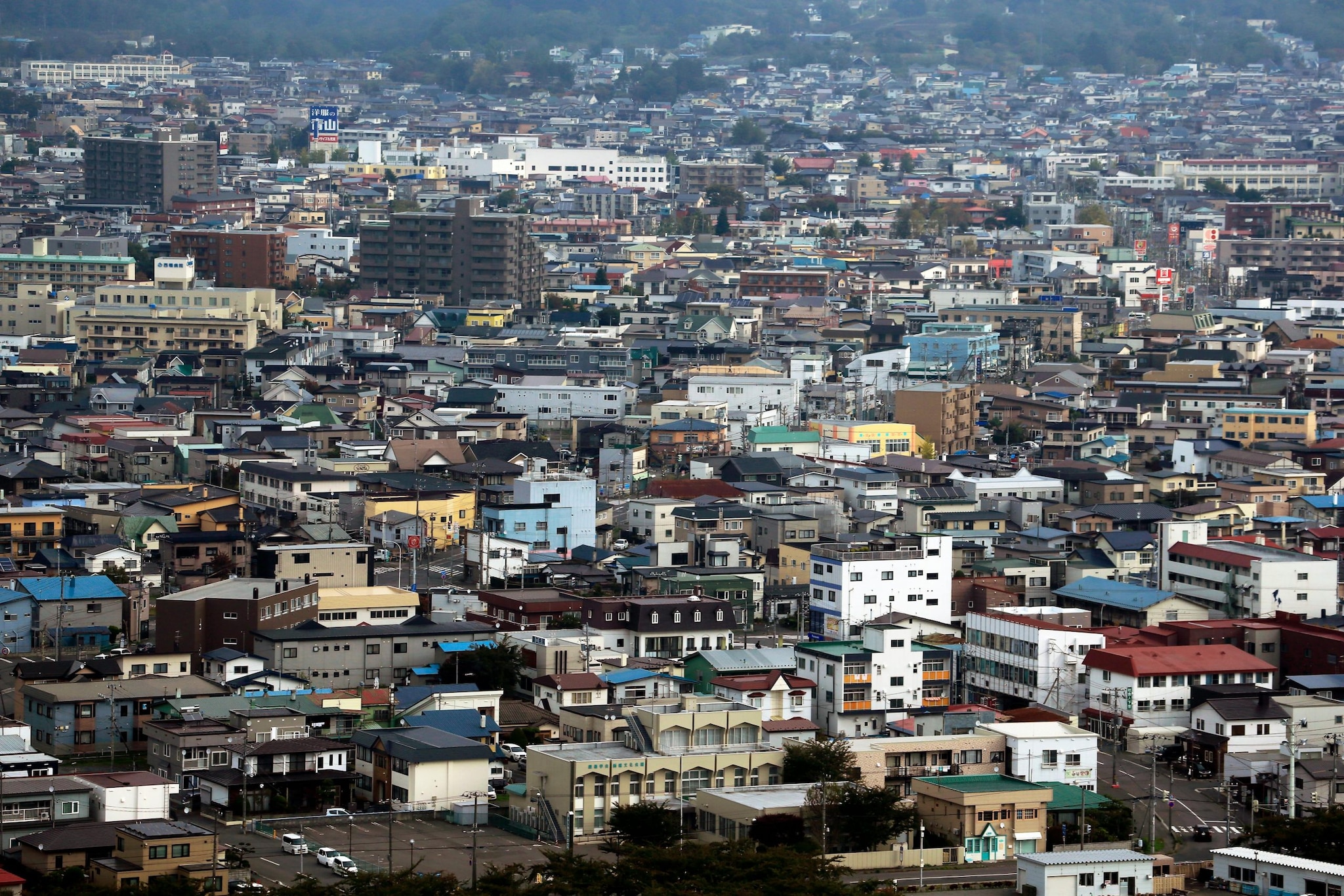
The UN’s findings underscore the urgency of addressing the pressures of urban growth. While megacities like Jakarta and Dhaka symbolize economic opportunity and cultural dynamism, they also highlight the risks of unchecked expansion. How governments respond, through infrastructure, environmental safeguards, and inclusive policies, will determine whether urbanization becomes a driver of prosperity or a source of crisis in the decades ahead. (Image: Pexels)









 English (US) ·