

 33 minutes ago
4
33 minutes ago
4
ARTICLE AD BOX
“The business is slow and waning,” says Raju ‘Datta’ Naik (73), as he moves his black-and-yellow motorcycle taxi to the front of the queue at the taxi stand in Panaji on Saturday evening.
Naik, a native of North Goa’s Ribandar village, has been a “pilot” for more than four decades. Hailing from a farming family, he worked in canteens before learning to ride a motorcycle. In the early 1980s, when tourism began surging in Goa, he started offering rides to commuters on a Rajdoot motorcycle in Panaji.
“A bhatkar (landlord) rented me the Rajdoot. I would pay him Rs 10 as the day’s rent, get the tank filled with petrol and pocket earnings from the rides. Those were simpler times, and this job was respectable and paid well,” he recalls.
Naik is among the old guard of these riders, known in Goa as “pilots”. Now, making a living with these iconic motorcycle taxis has become harder than ever. Naik waits for two hours on average between rides. “The last time I dropped someone off at the airport was five months ago. These buses and cabs did not exist earlier,” he said, pointing to the parking area of the bus stand in Panaji.
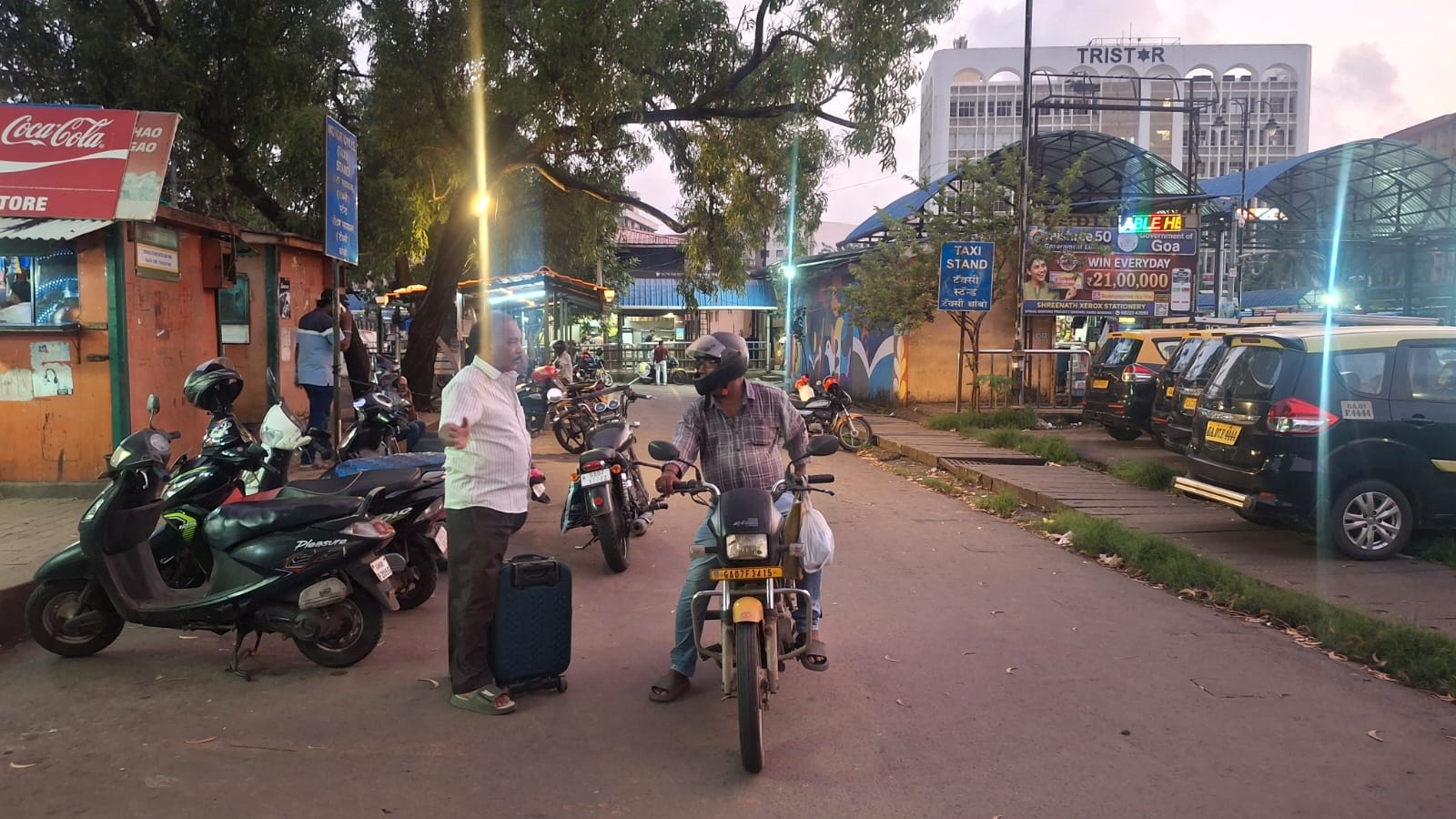 Motorcycle taxis have been operating in Goa for decades, dating back to the period of Portuguese rule. (Express photo)
Last week, Goa Chief Minister Pramod Sawant launched an app, ‘Mhaje Driver App’, for motorcycle taxis, which allows commuters to book motorcycle taxis registered with the Motorcycle Taxi Riders Association. The app aims to strengthen last-mile connectivity and allows commuters to book a ride digitally from anywhere in the state.
At the launch event, Sawant said the number of traditional motorcycle taxi pilots has dwindled significantly due to the prevalence of rental bike services, adding that the government would stop issuing new licences for rental bike operations to protect the livelihoods of these “pilots”.
Since Portuguese period
Motorcycle taxis have been operating in Goa for decades, dating back to the period of Portuguese rule. The word ‘pilot’ comes from the Portuguese ‘piloto’, meaning driver, and it was colloquially used to refer to the motorcycle taxi drivers.
Story continues below this ad
In 1981, the Motorcycle Taxi Riders Association was registered, and the state government amended the Motor Vehicles Act, paving the way for these pilots to get permits and operate under a legal framework.
As Goa started gaining popularity in the global tourist map and with limited options for public transport, especially in the rural talukas, the motorcycle taxis soon became a ubiquitous part of the daily commute for locals and tourists in the coastal state.
Avinash Naik (70), a motorcycle pilot, remembers ferrying tourists on the back of his Rajdoot and Yezdi motorcycles for sightseeing tours to the popular North Goa beaches. “Pilots had a lot of respect. People trusted us…and still do. We, along with the taxi drivers, were called the ambassadors of tourism. The tourists would give us generous tips, and we built friendships. It was a relationship of trust,” he says.
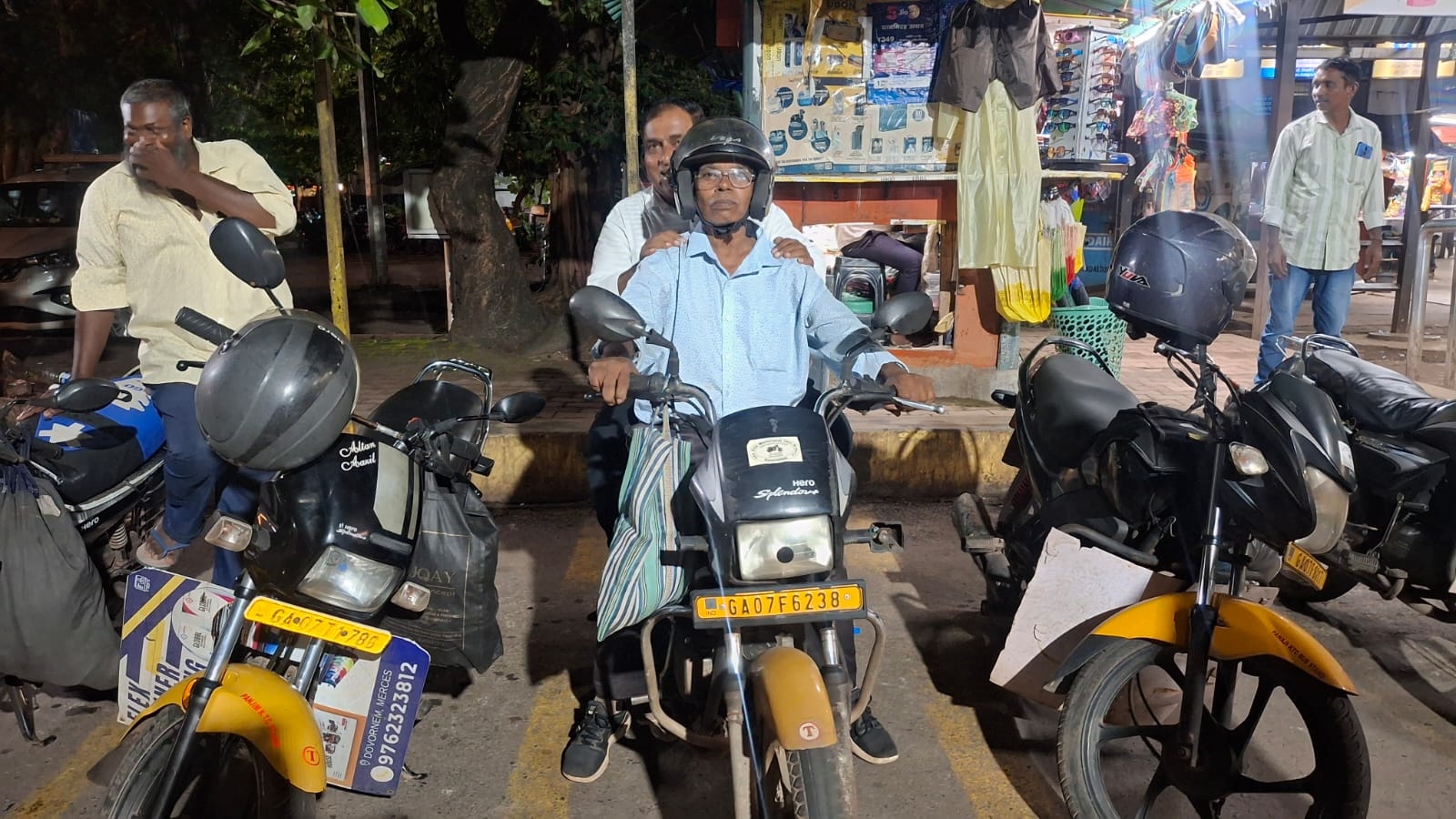 Avinash Naik (70), a motorcycle pilot. (Express photo)
Avinash was four years old when his father, a farmer, died. In his teenage years, he worked in printing, which paid little. A neighbour taught him to drive a motorcycle, and he “became a pilot” to make ends meet. “Tab fursat nhi hota thaa season mein (We were so busy during the tourist season). Often, we skipped lunch. And now, we have to chase the commuters,” he says.
Story continues below this ad
Improvements in the intercity public bus service network, increasing vehicle ownership among locals, the steady proliferation of rental bikes, and the rise of illegally operated private taxis over the past couple of decades have led to a decline in pilots’ earnings, with many forced out of the profession.
A member of the Goa Motorcycle Taxi Riders Association said the number of pilots registered with the association is around 1,500, while at least 500 are privately operating and are not part of the association. This represents a major dip from the 8,000 bike pilots operating in the state in 1999.
Avinash Naik says he makes around Rs 400-500 per day on average, depending on the length of the trips. “Fuel costs are always increasing, and maintenance costs of the bike are also high. But government-notified fares have stayed constant for years. We are just surviving somehow. During the season from November to March, we get rides, but off-season, business is bleak,” he says.
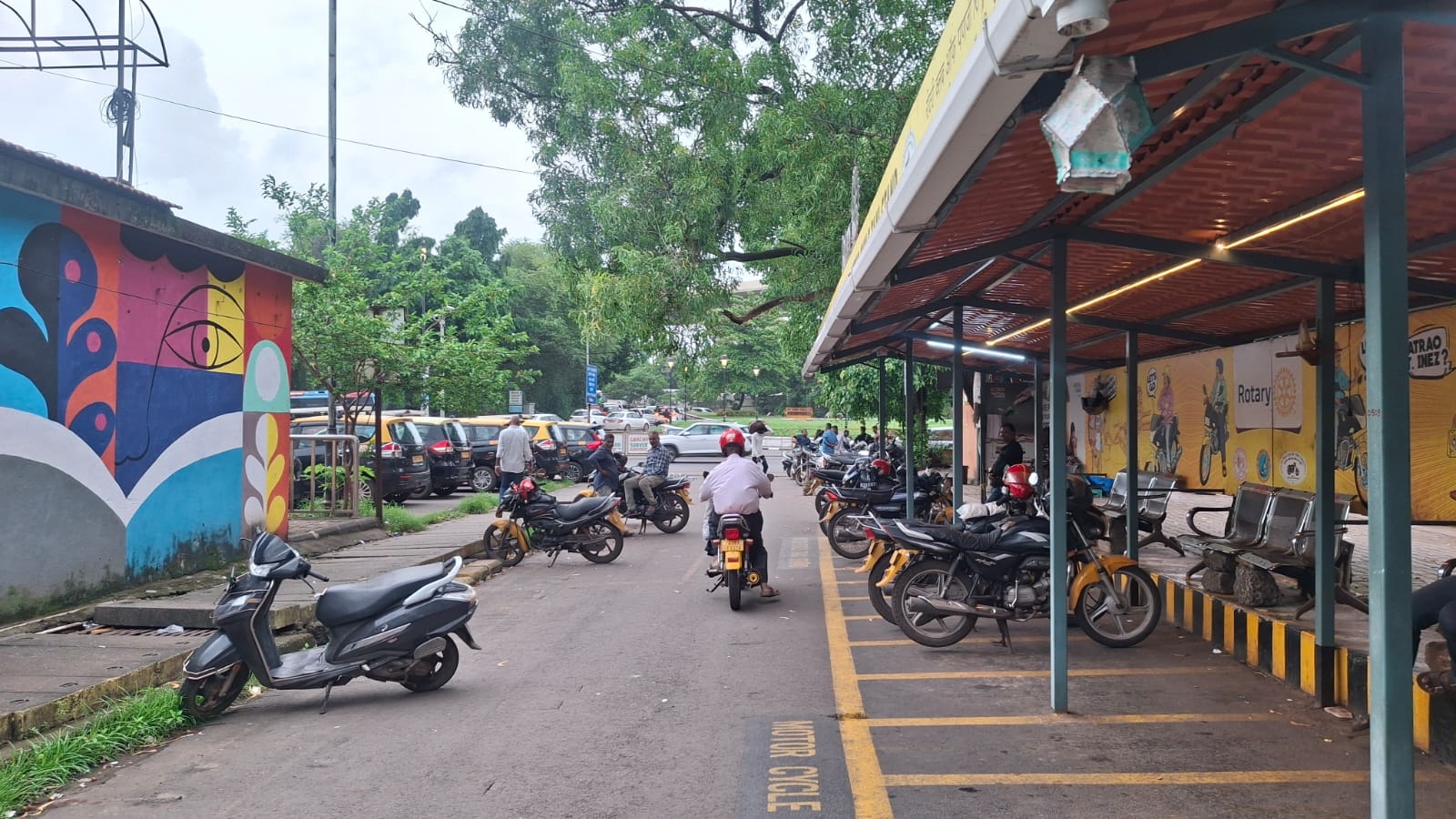 Motorcycle taxis have been operating in Goa for decades, dating back to the period of Portuguese rule. (Express photo)
“Earlier, people would land at the airport and hire a taxi or take our services to go around. Now, anyone can just rent a scooter for Rs 400 a day and drive around. This rental model has killed our business,” Avinash adds.
Concerns over new app
Story continues below this ad
Several pilots say they were not taken into confidence regarding the new app launched by the Chief Minister last week. “We do not want to get on the app. It is an aggregator, and it will drive us out of business in the long run. They will undercut us and charge commission. We have seen this happen in other states,” says Rajesh Tayad (32), who has been a motorcycle pilot for a decade.
“Ours is a self-sustaining business. We are not making a lot of money, and whatever we earn goes into sustenance. But there is freedom… Kisi ka nok-jhok nhi hai (There is no interference). Once bike aggregators come in, the Goan identity will also be lost, and drivers from other states will be employed,” he said.
The larger concern for the motorcycle pilots centres around one stark reality. “There is simply not enough demand. What will the app do?” asks Shabbir Shaikh (51) from Verem.
Shaikh has been driving a motorcycle taxi for 20 years. “Why would someone pay Rs 100 when the bus is charging Rs 10 for the same route? And the bus leaves every 10 minutes from here. Unless it is an emergency, and one has to cover the distance in a short time. The buses are now covering internal lanes, in hinterland areas too,” he explains.
Story continues below this ad
“The locals now rely on pilots largely for emergencies — a visit to the hospital, or late-night travelling… and for shorter rides to the offices during the peak hours. The rides are fewer and farther between,” Shaikh says.
Suresh Verekar (58), another motorcycle pilot, says the government’s subsidy to purchase new motorcycles helps, “but if the profession has to survive, the illegally-run bike services need to be shut down and the licences of rental bike services need to be revoked.”
Many said their children don’t want to join the traditional profession. “But I will do it till my body and spirit allow,” declares Avinash Naik.



 English (US) ·