

 1 day ago
6
1 day ago
6
ARTICLE AD BOX
Last Updated:June 26, 2026, 07:30 IST
On This Day, June 26, 1906: The inaugural French Grand Prix marked the birth of Grand Prix racing, beginning a journey that ultimately led to modern Formula 1.
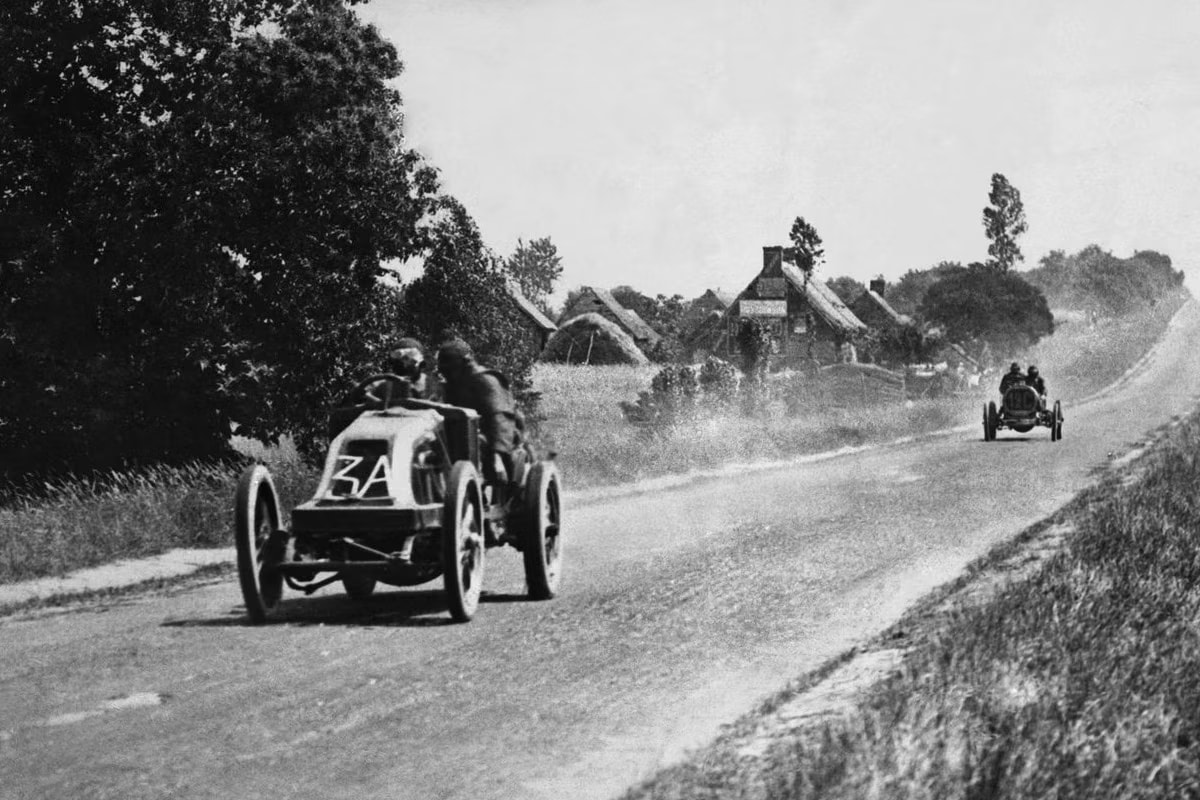
The first French Grand Prix in 1906 at Le Mans featured early automobiles racing on public roads with minimal safety measures. (File photo)
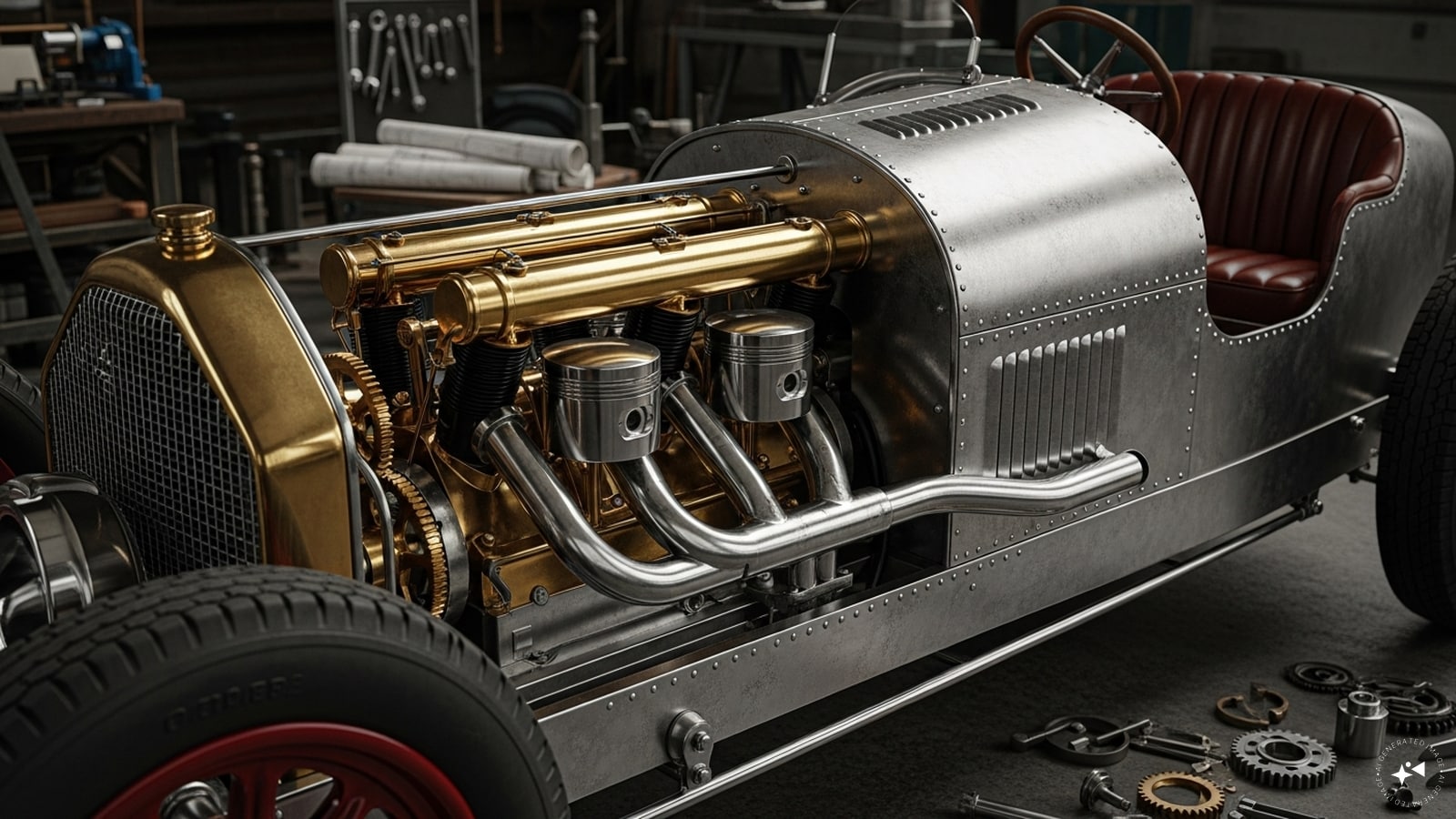
Early Grand Prix cars were heavy, mechanical machines with limited speed and no modern aerodynamics. (AI photo)
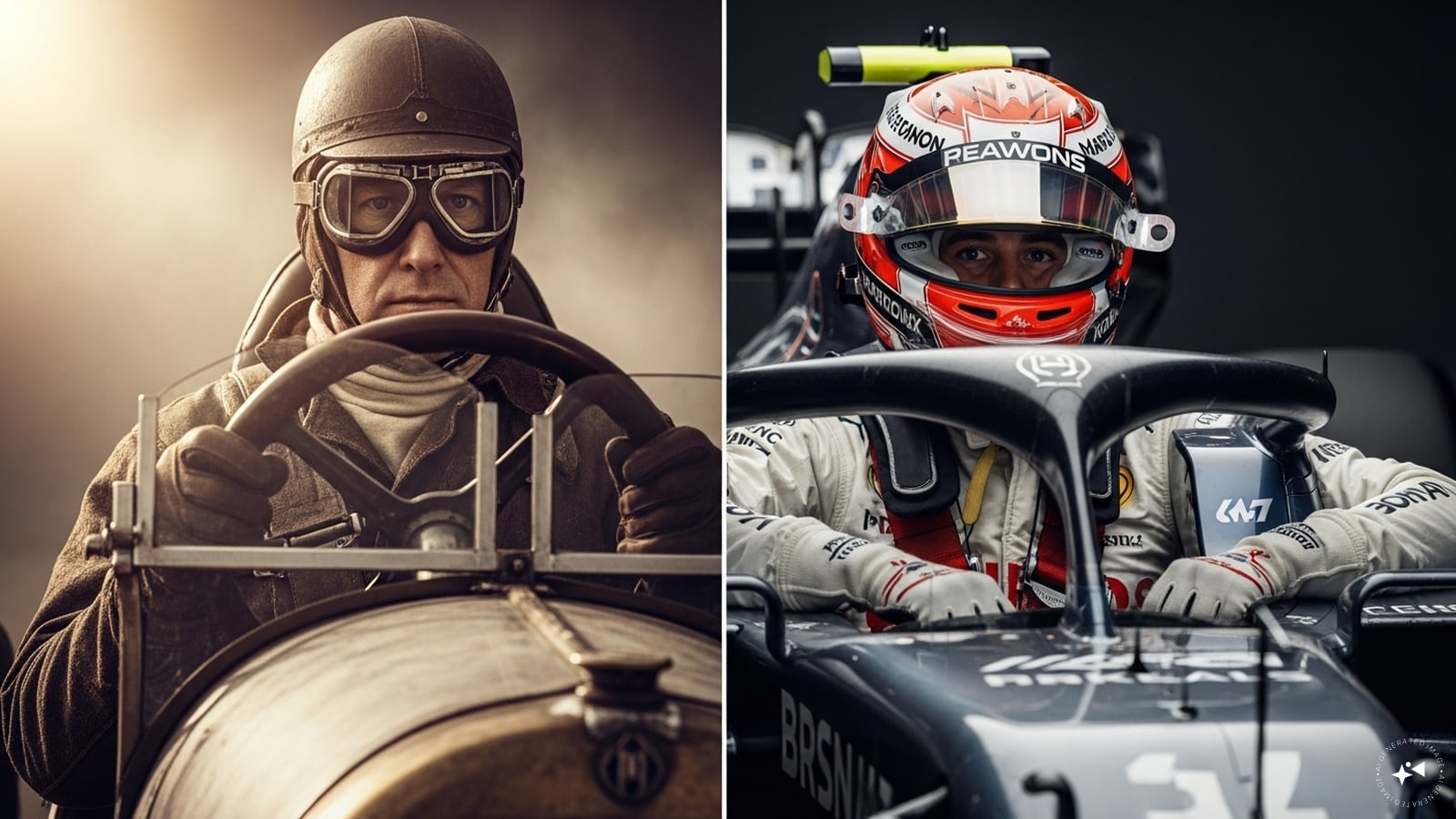
From no helmets in 1906 to advanced fireproof suits and halo systems today, driver safety has drastically improved. (AI photo)
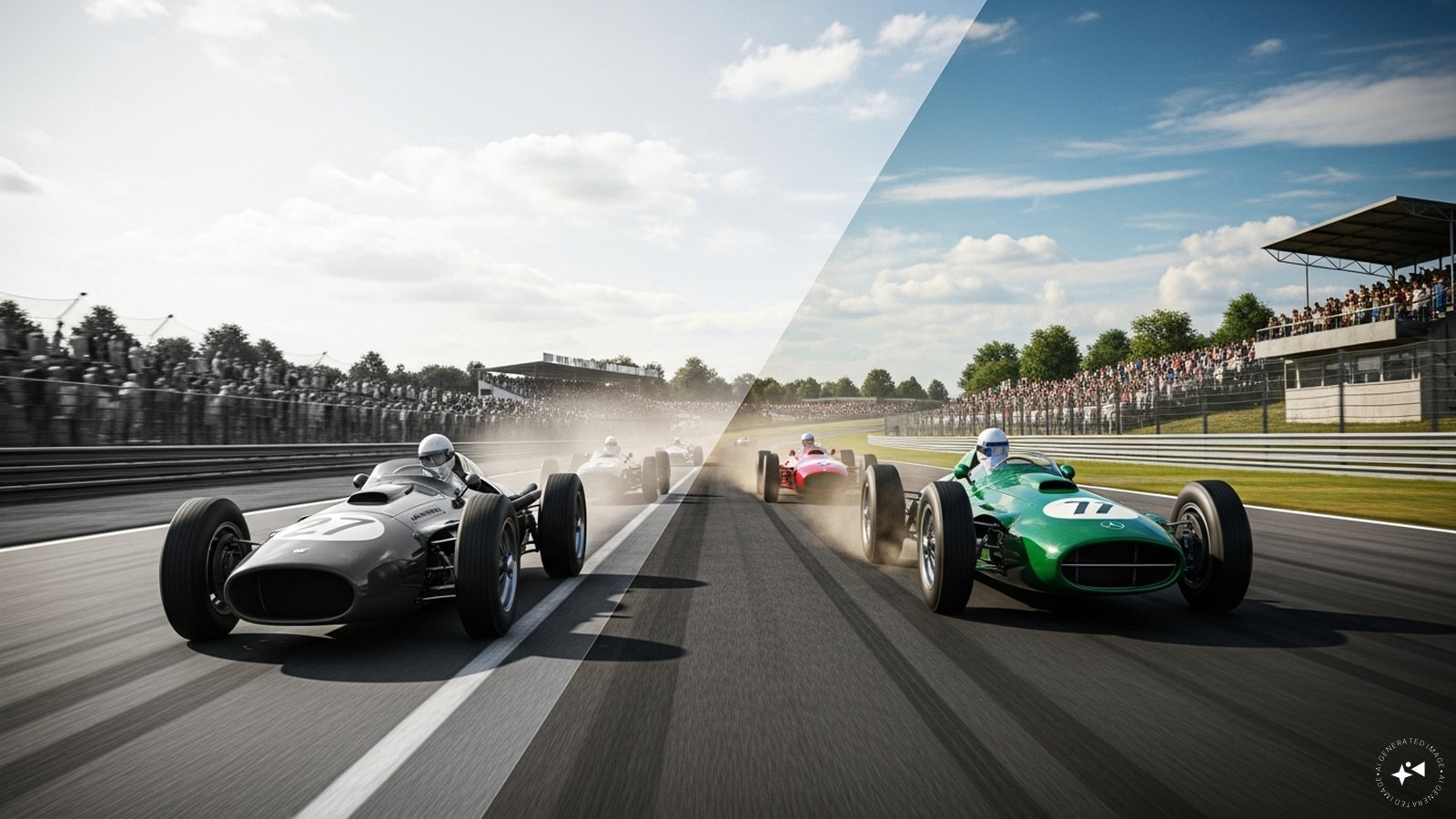
In 1950, Formula One officially began, standardizing global Grand Prix racing into a structured championship. (AI photo)
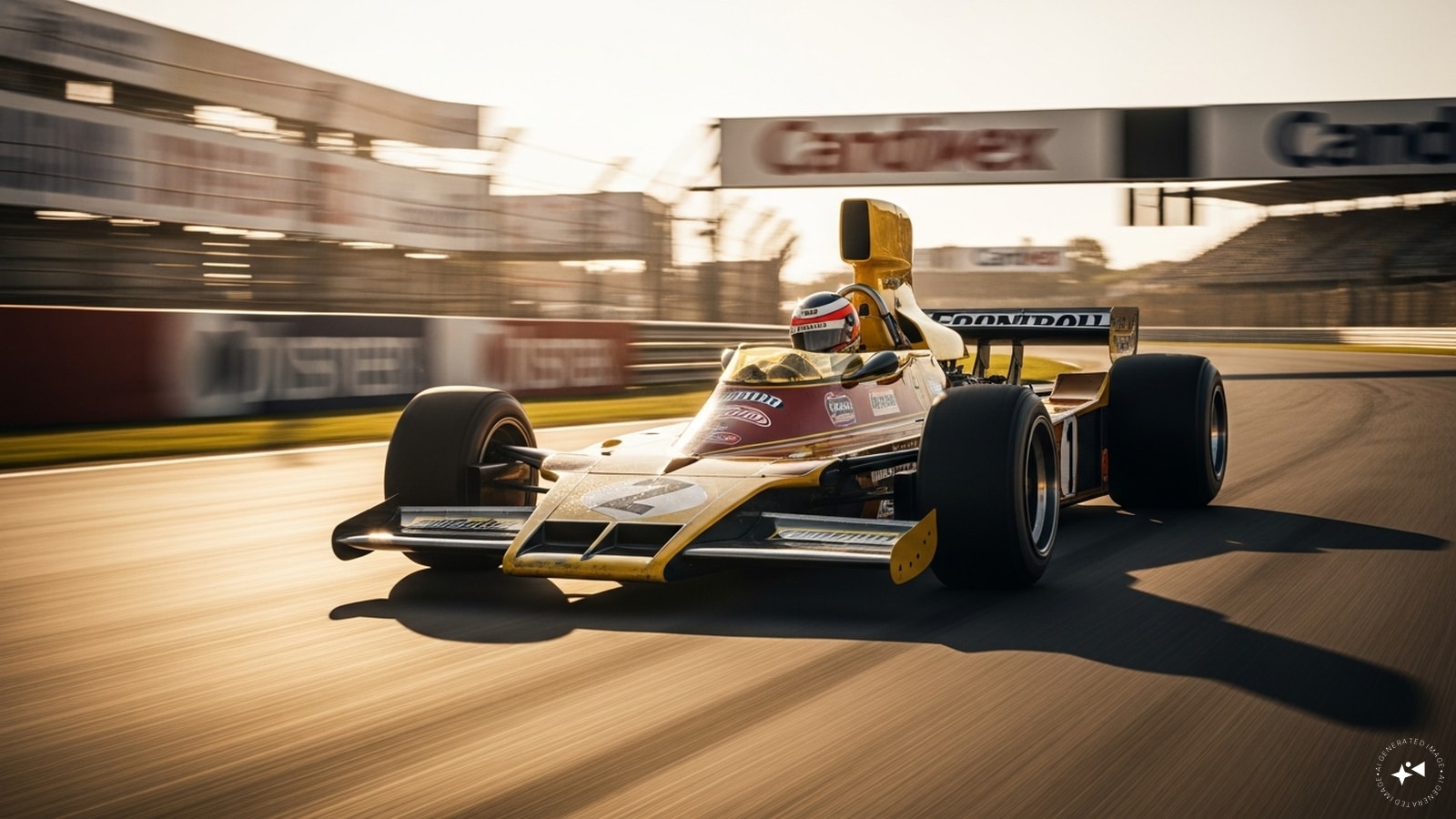
By the 1970s, aerodynamic design transformed racing speeds and cornering performance. (AI photo)
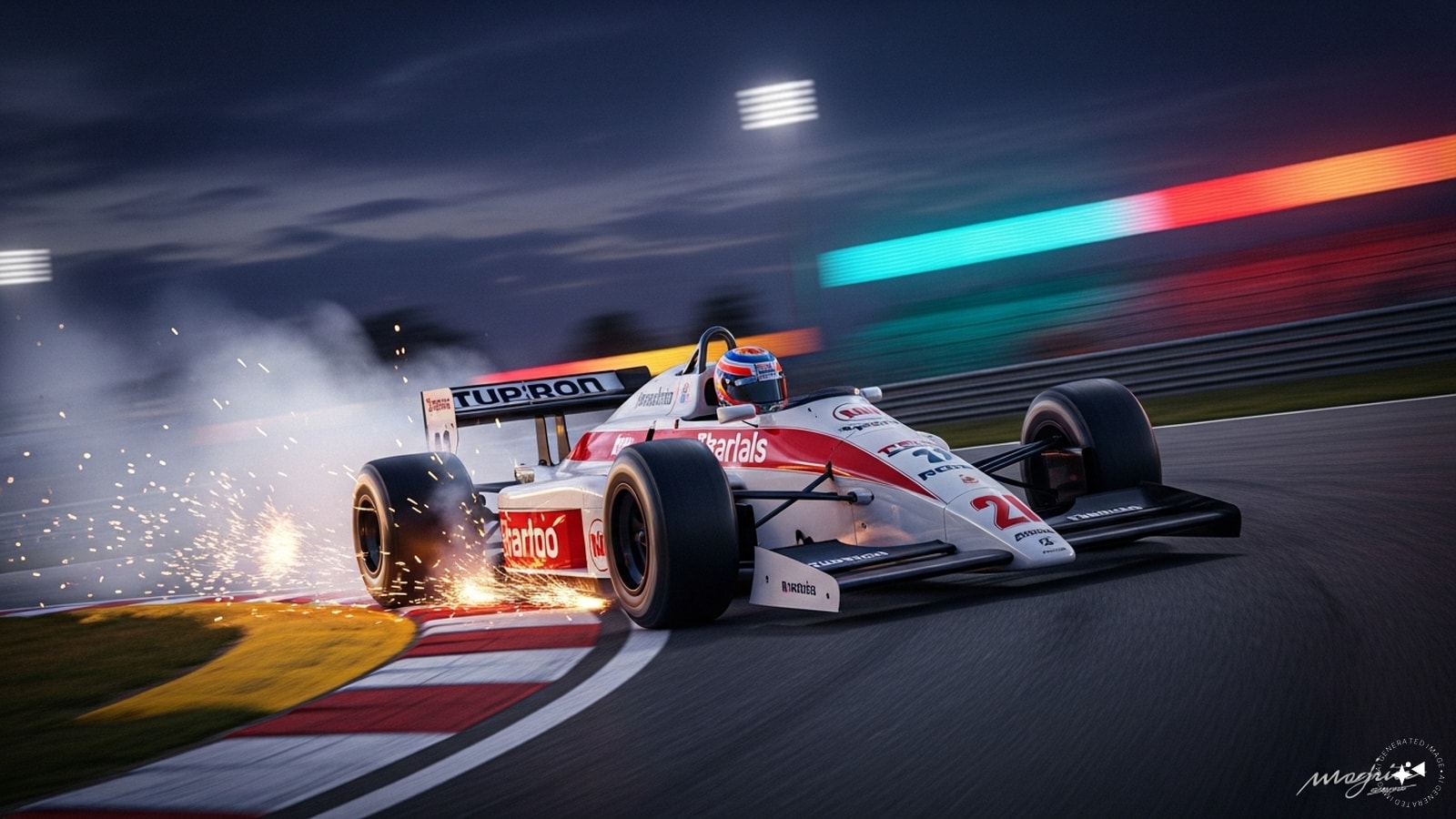
The turbocharged era of the 1980s introduced extreme horsepower and dramatic speed increases in Formula One. (AI photo)
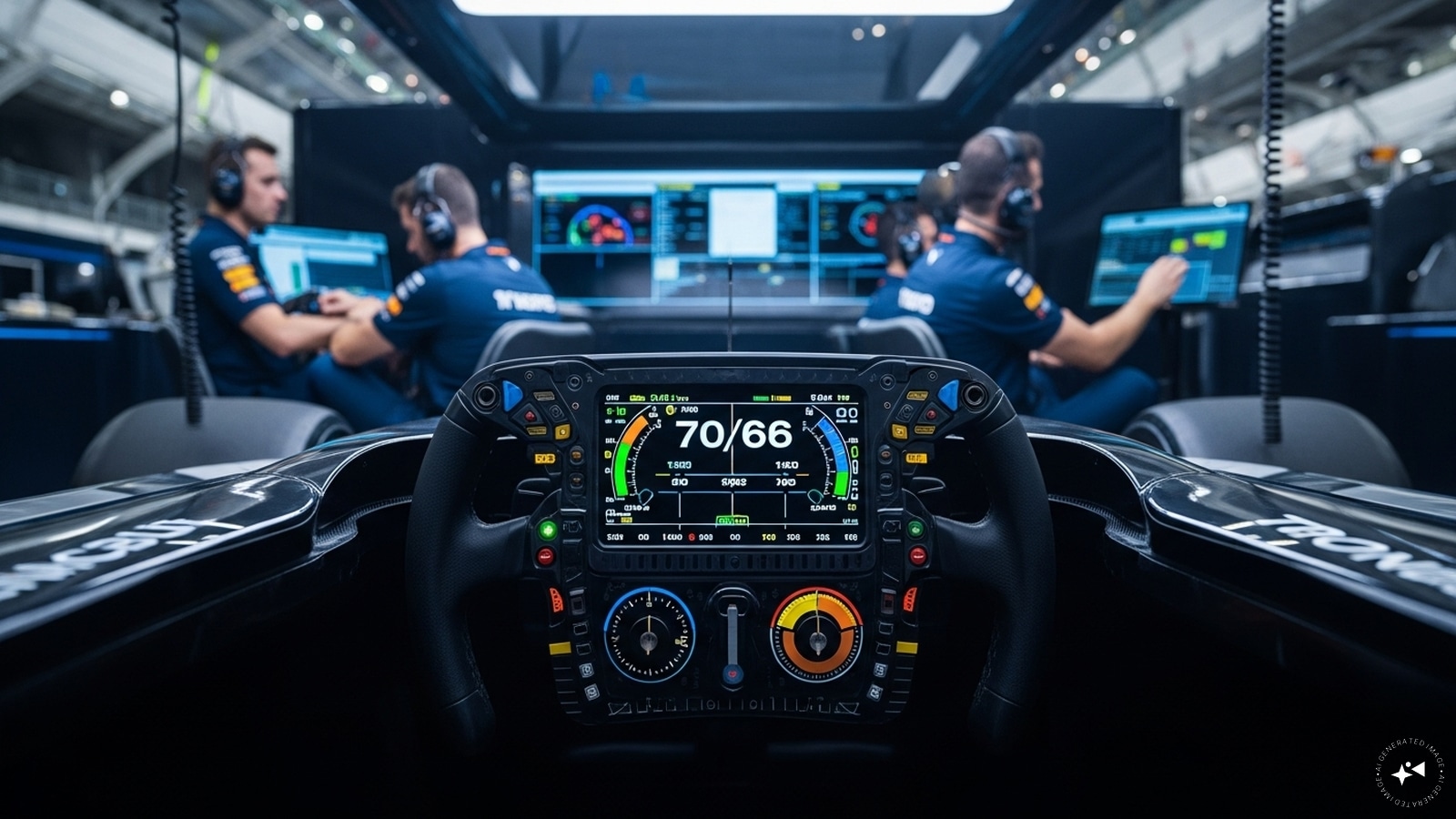
Modern Formula One relies heavily on real-time data, sensors and advanced engineering decisions. (AI photo)
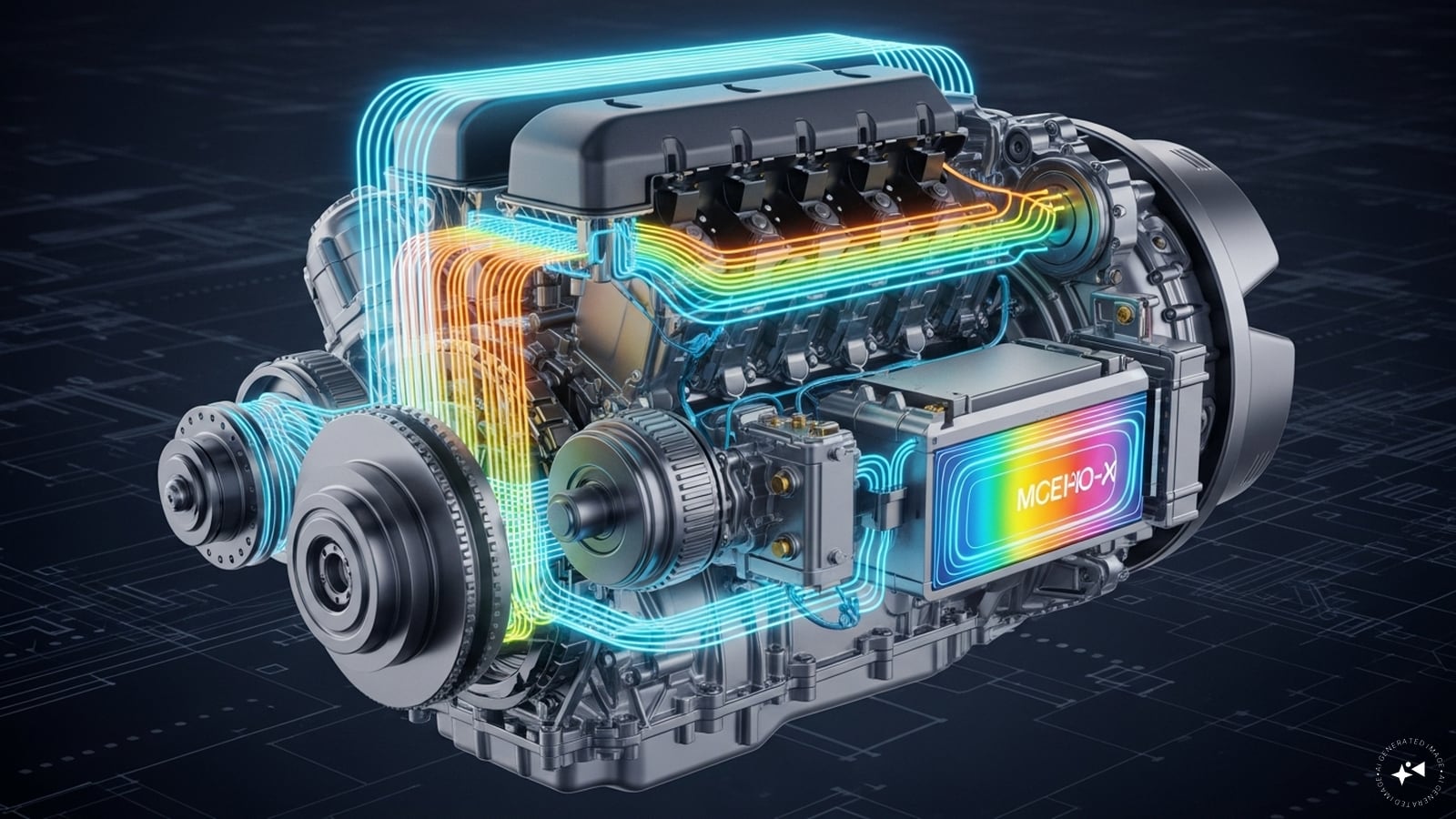
Today’s F1 cars use hybrid power units combining combustion engines with electric energy recovery systems. (AI photo)
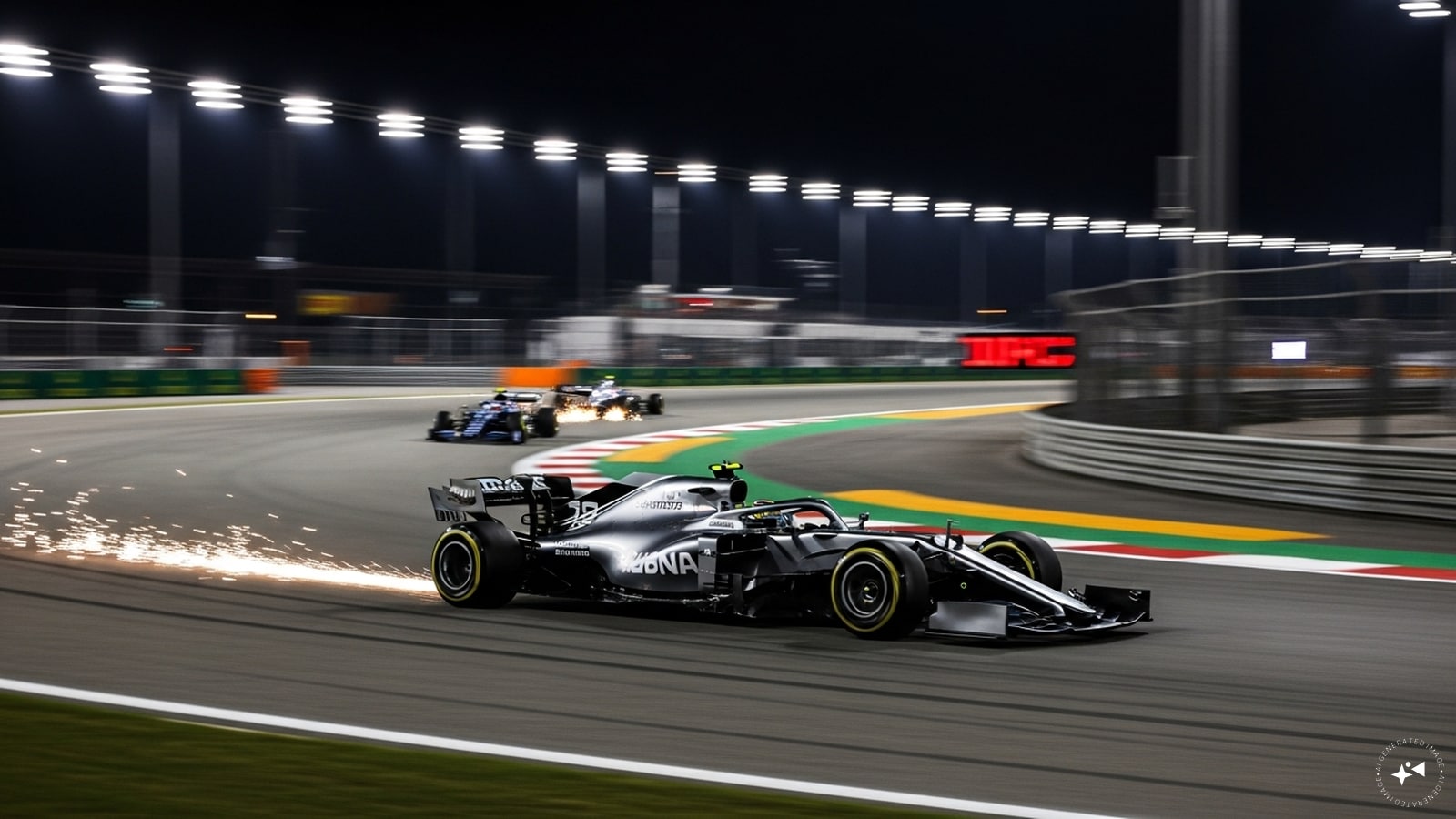
Modern Formula One features night races, global circuits and cutting-edge aerodynamic machines reaching over 350 km/h. (AI photo)
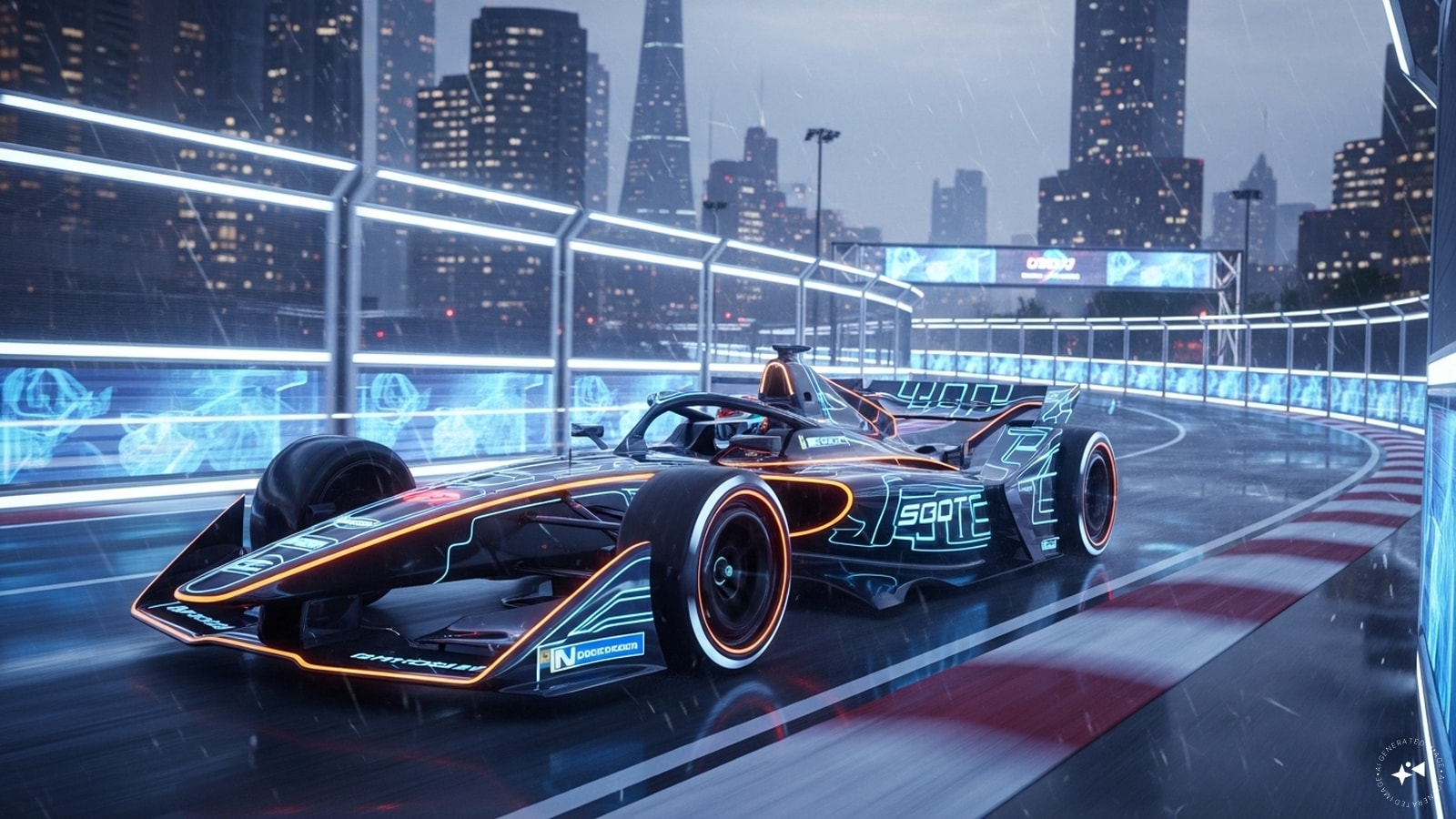
The future of Grand Prix racing may include greater electrification, sustainability and even more advanced AI-driven performance systems. (AI photo)
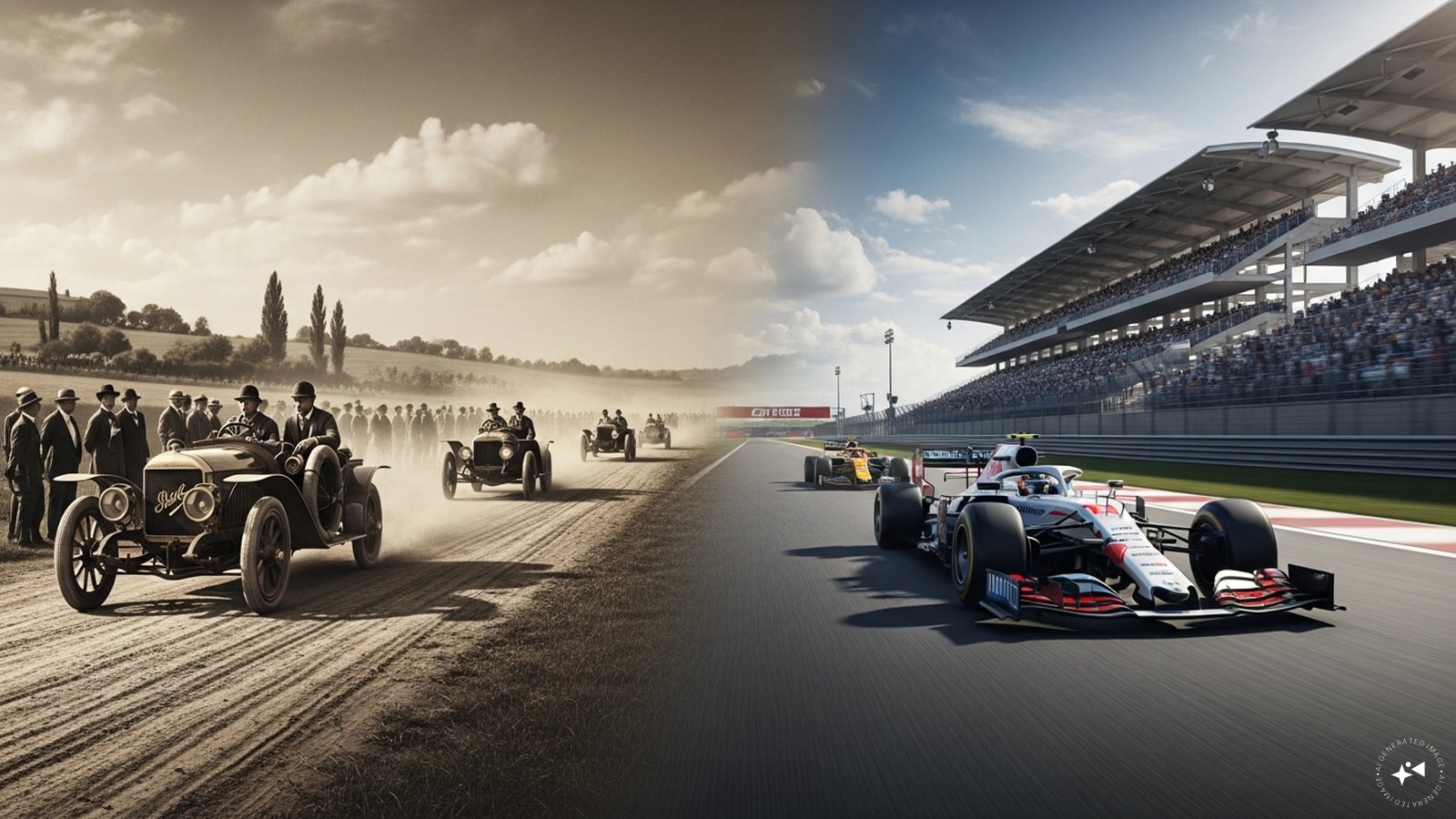
Over 120 years, Grand Prix racing has evolved from dusty road races to one of the most advanced sporting spectacles in the world. (AI photo)









 English (US) ·