

 1 week ago
7
1 week ago
7
ARTICLE AD BOX
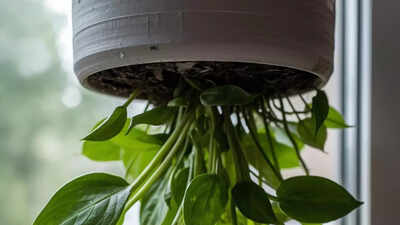
Grow plants upside down: Here’s how the upside-down gardening trick really works (Image source: AI-Generated)
Envision yourself going outside to your balcony and noticing that your tomatoes, peppers, and herbs are growing upside down instead of growing upwards from the soil. This is essentially what upside-down gardening entails.
A unique gardening technique that involves plants being placed in a suspended container with their roots nestled in the pot and their stems facing towards the ground. While unorthodox, this technique has revolutionised gardening in urban settings and for anyone with limited space to garden.“Upside-down gardening” is a gardening technique that is unique because it is a good option for people who have no garden plots or fertile soil to garden on.
Moreover, it is a unique and interesting gardening technique because it entails a different perspective and uses a space where nothing is currently utilised. But beyond the novelty, many gardeners wonder if this method truly works in everyday home settings. The answer may surprise you.
Amp up your home garden for summer
What exactly is upside-down gardening?
Upside-down gardening is basically growing plants in hanging pots, whereby you watch the plant shoot out from the bottom rather than the top.
The roots remain tucked into the soil above, while gravity nudges the stems, leaves, and fruits downward. It's a natural setup that benefits from better air flow and less contact with soil.This method thrives where real ground planting is not an option, such as apartments, balconies, or patios. It will also help in cutting down on soil-borne problems and make harvesting easier since the fruit swings freely, not brushing the soil.
Can you really do upside-down gardening at home
Sure thing; this is definitely doable for a complete novice. You'll want a sturdy support, reasonably good drainage in the container, and a little bit of care in the form of watering and feeding. Many people successfully grow upside-down plants on their balconies, in terraces, patios, and even inside.Keep in mind that the volume of the soil in hanging pots is limited, and hence watering and feeding might be needed a bit more frequently compared to a classic garden.
With steady care and thoughtful plant choices, upside-down gardening can be just as productive-and sometimes more convenient-than traditional methods.
Best plants for upside-down gardening
However, not all plants accommodate an inverted growing cycle well. The ones which do often have flexible stems, weigh less, and have shallow root systems. Some of the best plants include:
- Tomatoes (especially cherry or patio varieties)
- Peppers (bell, chilli, and sweet)
- Strawberries
- Basil
- Other soft-stemmed herbs
- Lettuce and leafy greens
Heavy crops, or those with large root growth, are not normally recommended, as these could be damaging to the pot.
Why do people love upside-down gardening
People are attracted to upside-down gardening because of its unique solution that overcomes common gardening problems. This gardening technique maximises space, keeps plants elevated from the soil, and is an efficient way of reducing both bugs and rot. Upside-down gardening is an excellent solution for people living in urban areas or people with homes that have no conventional garden space.Not to mention their use, upside-down gardens offer aesthetic value. They add character to balconies and patios and help turn the routine process of gardening into an area of interest.








 English (US) ·