

 11 hours ago
3
11 hours ago
3
ARTICLE AD BOX
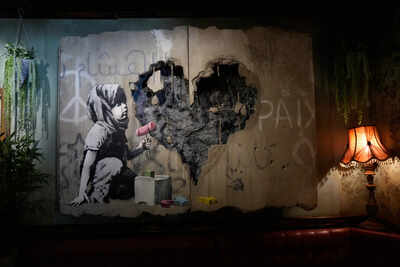
The unmasking of Banksy shows how the revelation of reality, after prolonged curation, leads to a devaluation of perceived authenticity, and a sense of betrayal. This highlights our collective reliance on hyperreal, edited personas.
A week ago, the veil was lifted from the ever-elusive world-famous graffiti artist the whole world knows as Banksy for almost three decades. A Reuters investigation sealed his fate as a 51-year-old Bristol (UK) man, named Robin Gunningham (or possibly David Jones, per some reports), who looked normal—like someone you would see on the streets every day, without a second glance.
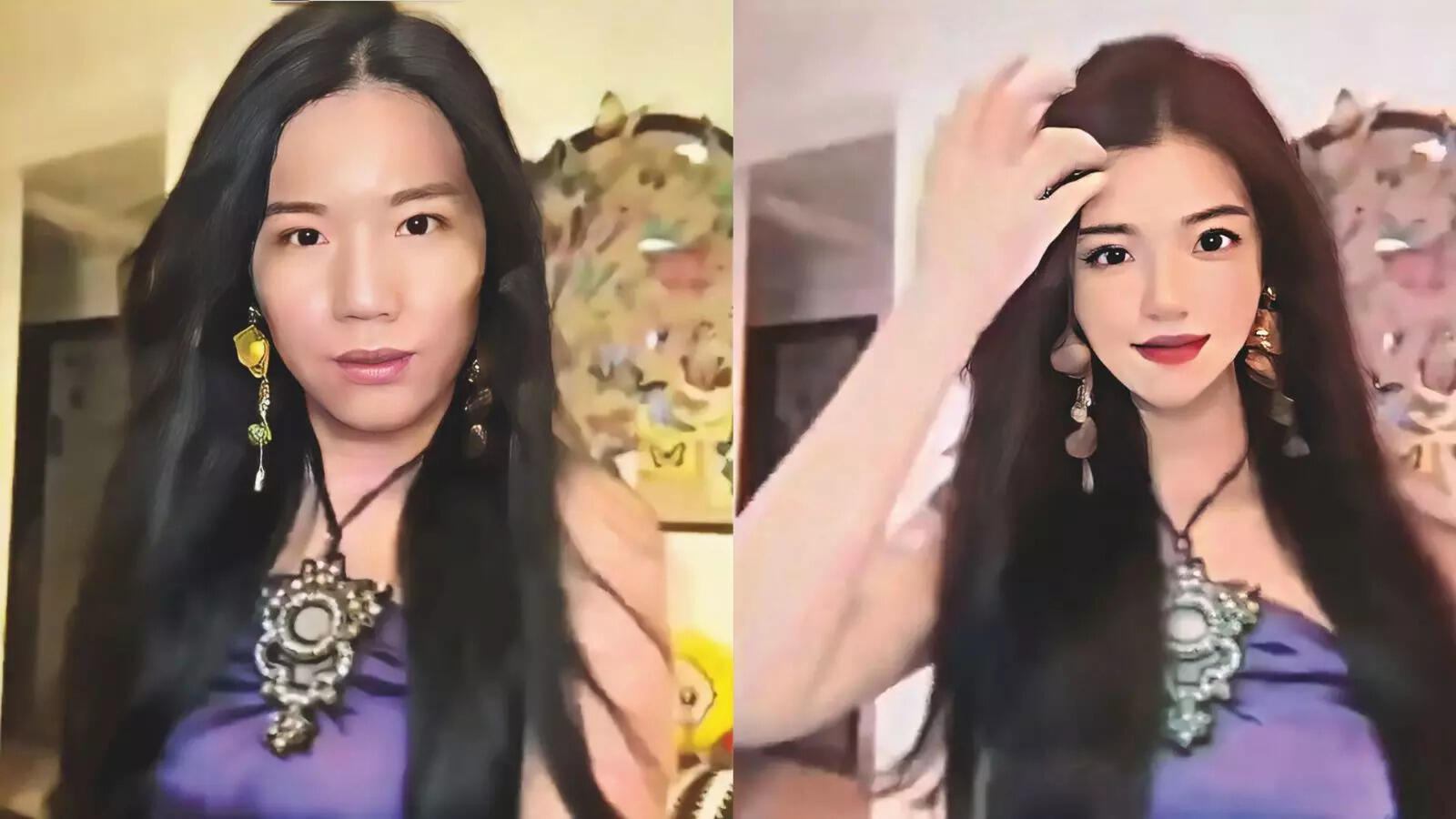
He wasn’t the anarchic phantom (possibly dressed like Pirate Jack Sparrow?) that the world had thought him to be. What was more interesting was the Twitterverse chat that followed. On X (formerly Twitter), his fans and experts talked about the value of his work “plummeting.” “The mystery was 90% of the art,” one wrote. “By unmasking him, you haven’t found a man, you’ve just k*lled a legend.” Another added bluntly: “As soon as I saw him, I immediately knew the value of his pieces was going down because he had lost the most important part of his brand.” Last month, a Chinese beauty influencer’s face betrayed her. During a regular livestream, her digital “mask” momentarily slipped. The clip, widely circulated across social media platforms, showed the influencer’s natural appearance—she looked older and had a warmer complexion. This was a far cry from her filtered image, that had pale, porcelain skin and a narrow jawline. The software glitch was realigned after a few minutes.
But the damage was done. She lost 140,000 followers in a couple of days. Now, this wasn’t a social media reveal or a scandal in a traditional sense. There were no leaked chats, no offensive tweets, just a moment—a flicker—when the filter slipped. But the internet, that unforgiving archivist of imperfection, did what it does best. It devalued her immediately.
Now these two are completely unrelated incidents… but they do share one discomfort that afflicts our world today—the moment an illusion collapses, so does our affection.
When Banksy started and was young, he may have had Jack Sparrow dreads/long hair or an aura that was visible from miles away. But by his 50s, he’s done his bit. He is world-famous, rich, and an activist who puts his money where his art is. Like investing in a boat to carry migrants when in need.
That is not just expensive but carries a lot of risks. All good so far. So, why would the value of his artwork plunge with an identity reveal, and similarly, why did the Chinese influencer lose 140,000 followers for a glitch?
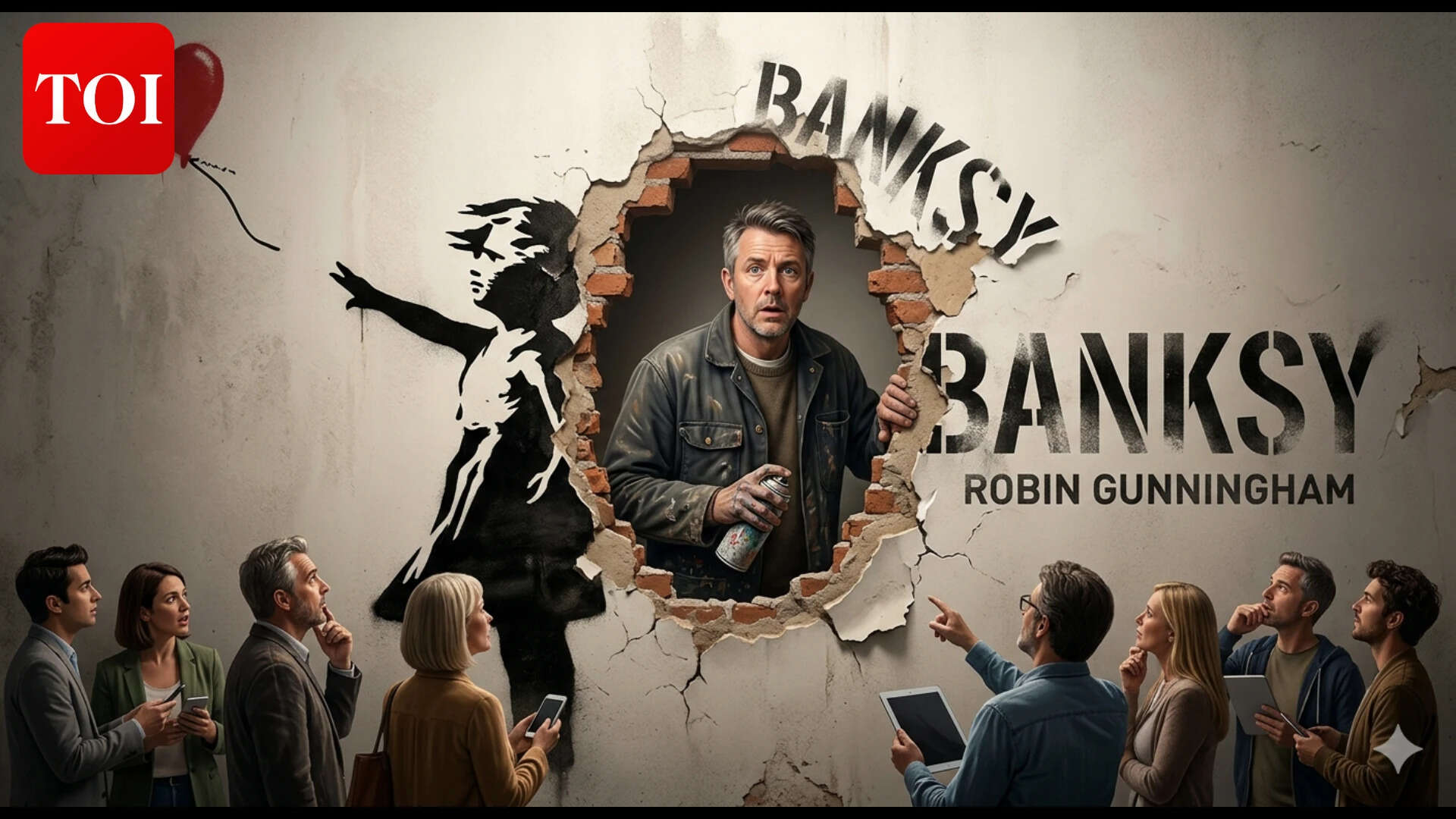
Banksy is Robin Gunningham, a 51-year-old man from Bristol
The fear of the gap
To put it simply, in the age of hyper-curation, both these reveals somewhere collapsed our illusion of the artists. None of us are ready to accept this fact. Our minds have been re-trained to emotionally invest in a fictionalized version of ourselves that actually feels real. Since it feels real, it gives us a lot of comfort. So when that fiction breaks, the backlash is visceral. Social commentator and columnist for ‘The Times of India’, Santosh Desai explains, “Banksy, when anonymous, was himself a part of the art he created.
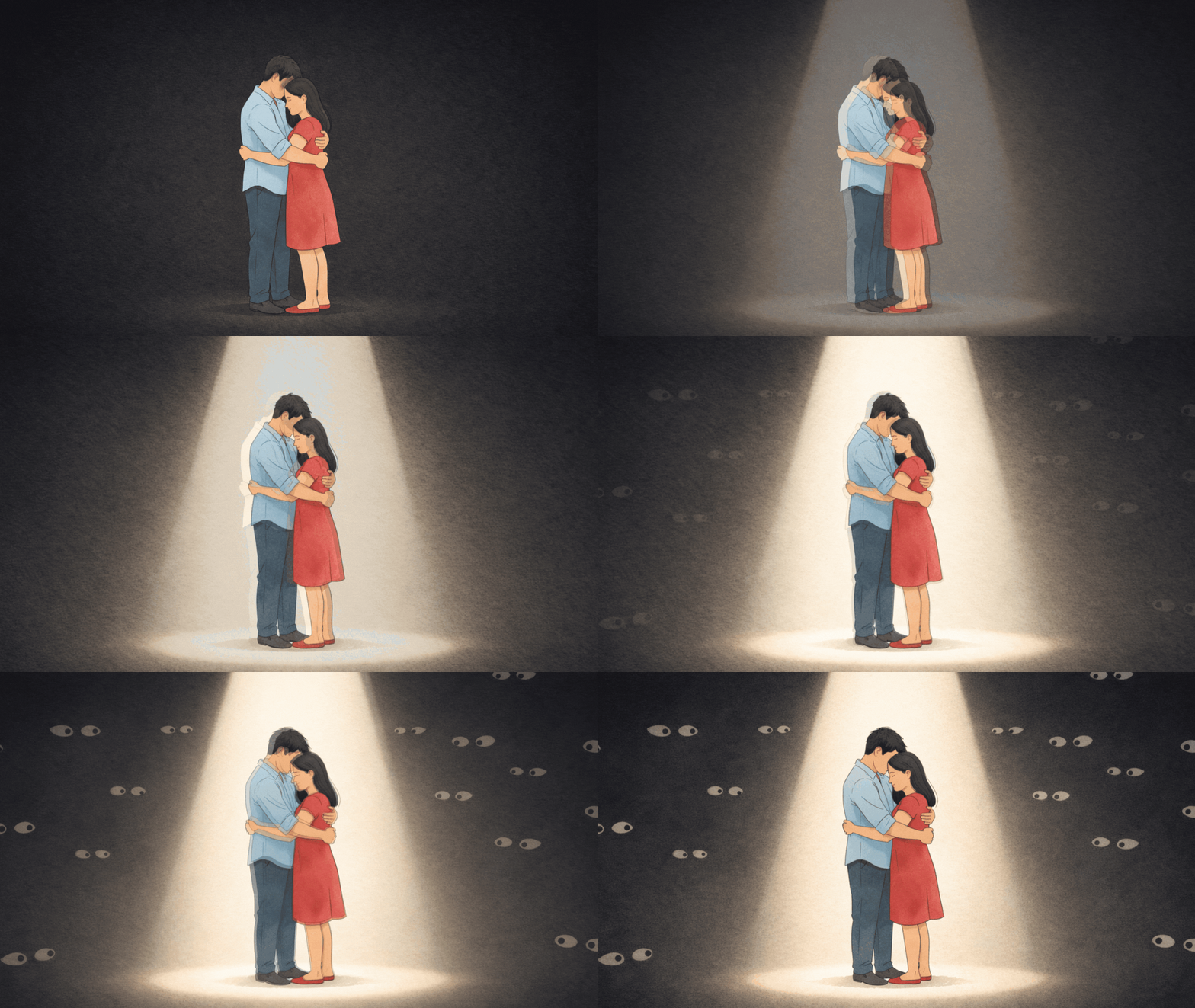
Whether the value of his art goes down or not is something we will have to wait and see, but that whole aura that Banksy represented with his anonymity is now gone. Similarly, when an illusion breaks with filters slipping, and a person looks completely different from what the filter allowed, somewhere people feel betrayed, as the implicit contract they had with someone ‘cool’ is violated.” An emotional outburst is a natural reaction in such cases. This is exactly what the ancient Greek philosopher Plato warned us about more than 2,400 years ago in his book, ‘Allegory of the Cave’. Prisoners chained in darkness mistake flickering shadows on the wall for reality itself. When one is freed and dragged toward the sunlight—the unfiltered truth—his eyes are dazzled: “He will not be able to see anything at all of what are now called realities.” The pain of that ascent is so great that the prisoners would rather kill the one who tries to free them than leave their comfortable illusions.Today, our smartphones are the cave, our feeds the fire, and our filtered selves the shadows. Sociologist Erving Goffman captured this perfectly in his 1959 classic book, ‘The Presentation of Self in Everyday Life’: “The self, then, as a performed character, is not an organic thing… [it] is a dramatic effect arising diffusely from a scene that is presented.” We have spent years perfecting the front-stage performance—Insta-filtered faces, thoughtfully curated LinkedIn bios, Grok-researched witty comments on X—while hiding the backstage mess.
When the curtain rips (a glitch, a name reveal), the entire performance feels exposed and worthless.French philosopher Jean Baudrillard took it even further in his classic, ‘Simulacra and Simulation’ (1981). This book actually appears in the opening scene of the classic Hollywood film, ‘The Matrix’. Baudrillard described “hyperreality”—a world where copies and simulations become more real than reality itself: “The simulacrum (a representation or imitation of a person or thing) is never that which conceals the truth—it is the truth which conceals that there is none.
” In simple words, our edited personas aren’t hiding reality; they have become the only reality we accept. The moment the simulation glitches, we panic.That same panic plays out on screen in ‘The Truman Show’ (1998). Jim Carrey’s Truman lives in a flawless, curated bubble – every neighbor, every sunrise, every smile manufactured for an audience. When he finally discovers the painted sky and the exit door, the illusion collapses.
The viewers who loved him suddenly confront their own complicity in the lie. The affection built on fiction evaporates the instant the set is exposed.
Sound familiar?
The reality, for us, has been recalibrated
Ultimately, what unsettles us is not the truth of a person’s physical appearance, but the confrontation with the distance between the myth and the reality. We have reached a point where we are no longer sure we can live without the gently edited version of the world.
Research backs this up. A 2024 study on beauty filters in influencer marketing found that filtered content creates perceptions of deception and lowers authenticity scores, directly harming trust and engagement.
When the filter disappears, followers don’t just unfollow; they feel betrayed because the “intimate” relationship was never with the real person. Another thesis titled, ‘Instagram Versus Reality’, concluded that unfiltered (or “real”) content actually produces stronger positive consumer reactions, yet most creators and audiences still cling to the edited version because the hyperreal standard is now the default.Banksy himself once said in an interview: “I don’t know why people are so keen to put the details of their private life in public; they forget that invisibility is a superpower.” But that’s not the world we live in. We have swapped invisibility for constant performance. And when the mask slips—whether it’s a 51-year-old Bristol man or a beauty influencer in China with a warmer complexion—we punish the revelation because it forces us to admit how much of our own lives is now staged.







 English (US) ·