

 1 week ago
6
1 week ago
6
ARTICLE AD BOX

It starts like any other scroll. You open Instagram for a quick break. A meme. A travel reel. A friend’s story. And then, suddenly, a video from a war zone. A crying child. A collapsed building.
You pause, watch, maybe share, and then go back to whatever you were doing anyway. A few minutes later, you’re back to a food video or a celebrity post. Now imagine a time when war didn’t live in your pocket. In Good Morning, Vietnam, Robin Williams plays a radio DJ in the middle of the Vietnam War. His job isn’t just to inform, but to keep spirits up. With humour and music, he becomes a buffer between the harsh reality of war and the people living through it.
In many ways, he was doing what we no longer have today—helping people process chaos at a distance. Because now, there is no buffer. War doesn’t come in bulletins anymore. It comes raw, immediate, and often overwhelming. And we are not just hearing about it. We are watching it, reacting to it, and in many ways, being consumed by it. From Ukraine to Gaza to Iran, the current generation isn’t just aware of global conflict, it is constantly exposed to it.
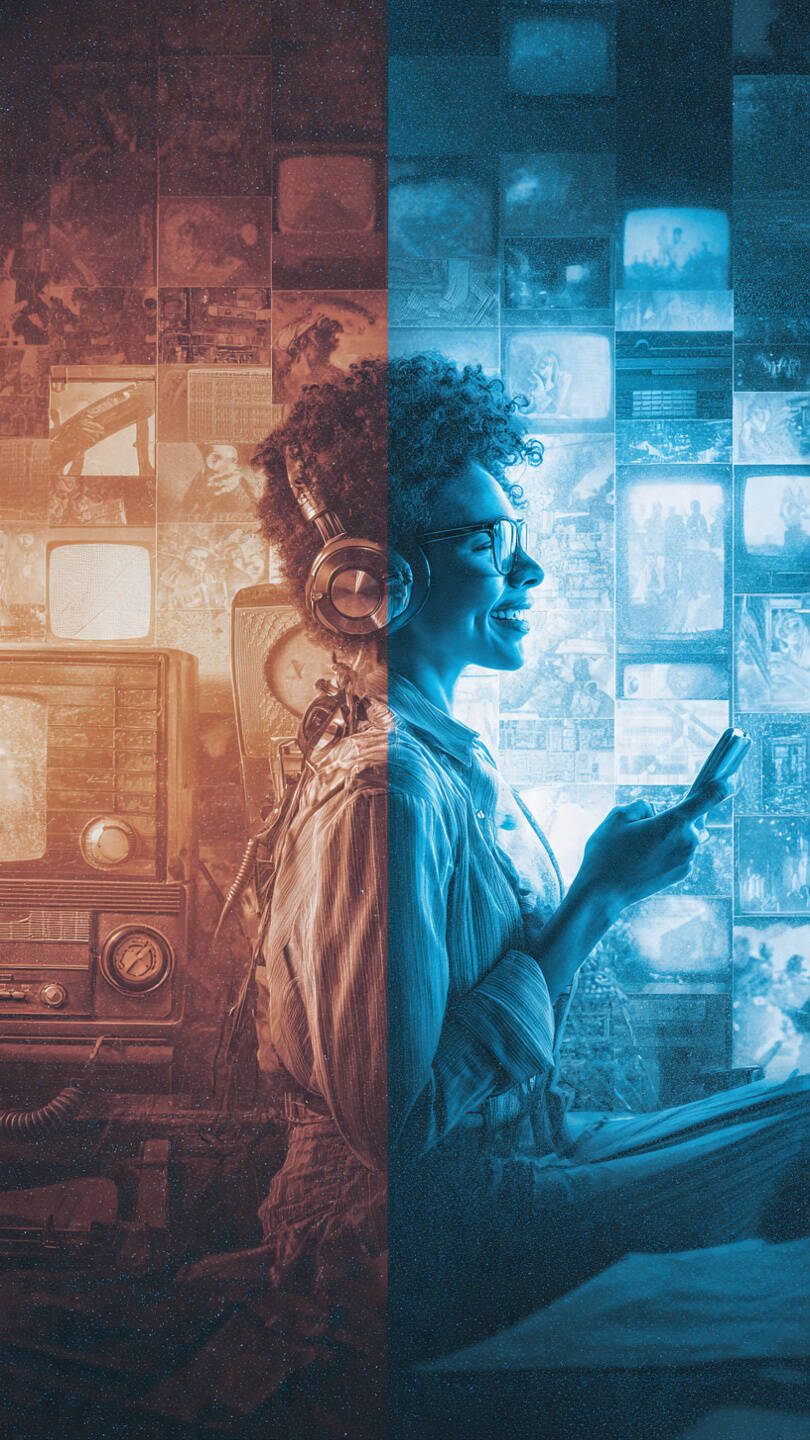
The war that follows you home
Today, you don’t have to turn on the news to know what’s happening. The news finds you. A video appears between two reels. A graphic image shows up on your feed. A headline interrupts your scroll. And before you know it, you’ve seen more than you intended to. “Earlier, crises were encountered through structured news cycles; today, exposure is immediate, continuous, and often unfiltered,” says Shubham Rangadal, Founder, BlockP, an AI-powered digital wellbeing platform.
“Over time, this creates a cycle of quick emotional reactions rather than sustained engagement.” This shift has made information more accessible than ever. It has also made it harder to switch off. One of the biggest changes is not just in how much we see, but how deeply it affects us. Even if we are not directly involved, repeated exposure to distressing content can leaves an imprint on our minds. This is what experts call secondary trauma. “Secondary trauma is when people feel emotional distress because they see other people in pain over and over again, even if they aren't directly involved,” explains Dr Rahul Chandhok, Sr. Consultant & Head Psychiatry, Artemis Lite NFC, New Delhi. “If you keep seeing the same threat, your brain may react as if it is personal.” In simpler terms, your mind doesn’t always know the difference between what you experience and what you repeatedly witness. Dr Munia Bhattacharya, Sr Consultant, Clinical Psychology, Marengo Asia Hospitals Gurugram, sees this increasingly in her practice. She says, “Your brain is reacting to what you repeatedly see, not just what you personally live.” And the impact isn’t always dramatic. Sometimes, it shows up quietly in the form of fatigue, irritability, or a sense of helplessness that’s hard to explain.
Feeling everything—or nothing at all
Spend enough time scrolling, and you’ll notice something else shift.
At first, distressing content can feel overwhelming. But over time, the same content may stop affecting you in the same way. It's strange that both things can happen at the same time. Some people become desensitised… People can get emotionally overwhelmed when they see too much content in a short amount of time. Dr Bhattacharya adds, “Initially, there is overwhelm… But because the exposure is so frequent, the mind adapts.
After a point, the same person says, ‘I don’t feel anything anymore when I see such news’.” What looks like indifference is often a coping mechanism. It’s not that empathy is gone, it’s more like the system is overloaded.
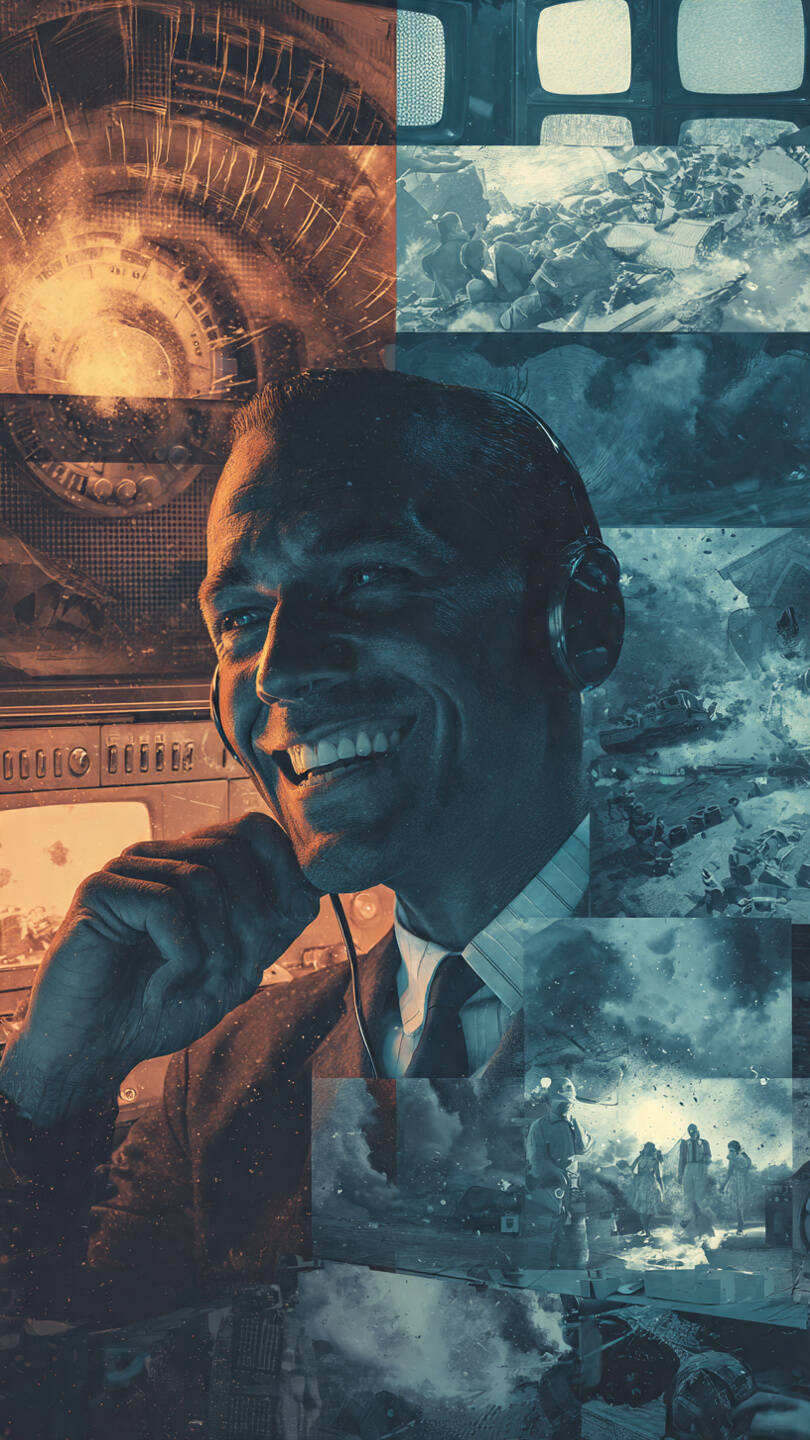
Scroll, react, repeat
For some, managing this exposure has become a conscious effort. “As a digital creator, staying informed is part of the job, but I’ve learned to be intentional about it,” says Jainam Vora, a content creator and communications manager.
“Being constantly plugged in doesn’t make you more aware—it just makes you more overwhelmed.” Social media has also changed how we engage with crises. We don’t just watch, we react. We like, share, repost, comment. Sometimes thoughtfully, sometimes instantly. There’s a noticeable shift in how people engage with such content. While meaningful participation still exists, much of it has become more habitual, reduced to quick actions like scrolling, liking or reposting, often without taking the time to fully understand or process what’s being seen.
As Dr Malini Saba, psychologist, human & social rights activist, global advocate for women & girls, says, “For many people it becomes habitual after a while than deeply reflective.” She adds, “People may still engage with posts like, share, comment etc, but often it becomes part of the normal scrolling routine rather than a deeply thoughtful reaction every time, which is often a sign of emotional fatigue.” This creates a loop of scrolling, reacting, moving on. Even humour can become a way to process heavy content.
It softens the blow, but doesn’t remove it entirely. Because even when the tone changes, the exposure remains. The human brain is not built to process endless streams of distress. “When users move rapidly between different types of emotionally charged content, the brain doesn’t get enough time to fully process any single experience, which can eventually lead to cognitive fatigue, either in the form of emotional overwhelm or gradual desensitisation,” explains Rangadal. Often, the signs are easy to miss. It can feel like being unusually tired after scrolling, struggling to focus, or finding yourself either avoiding the news completely, or feeling oddly unaffected by it. Both are signals that something is off. So what do we do? The answer isn’t to disconnect entirely. Being informed still matters. Awareness still matters. But how we consume information matters just as much. “I never advise people to completely disconnect,” says Dr Bhattacharya.
“But it has to be intentional, not compulsive.” That might mean setting small boundaries, limiting how often you check updates, avoiding distressing content before bed, or simply stepping away when it starts to feel overwhelming. In many ways, this brings us back to Good Morning, Vietnam. Back then, one voice tried to create moments of relief in the middle of chaos. Today, we don’t have that buffer. We are both the audience and the amplifier.
And perhaps that’s the real shift. We are no longer just hearing about the war. We are living alongside it, one scroll at a time.
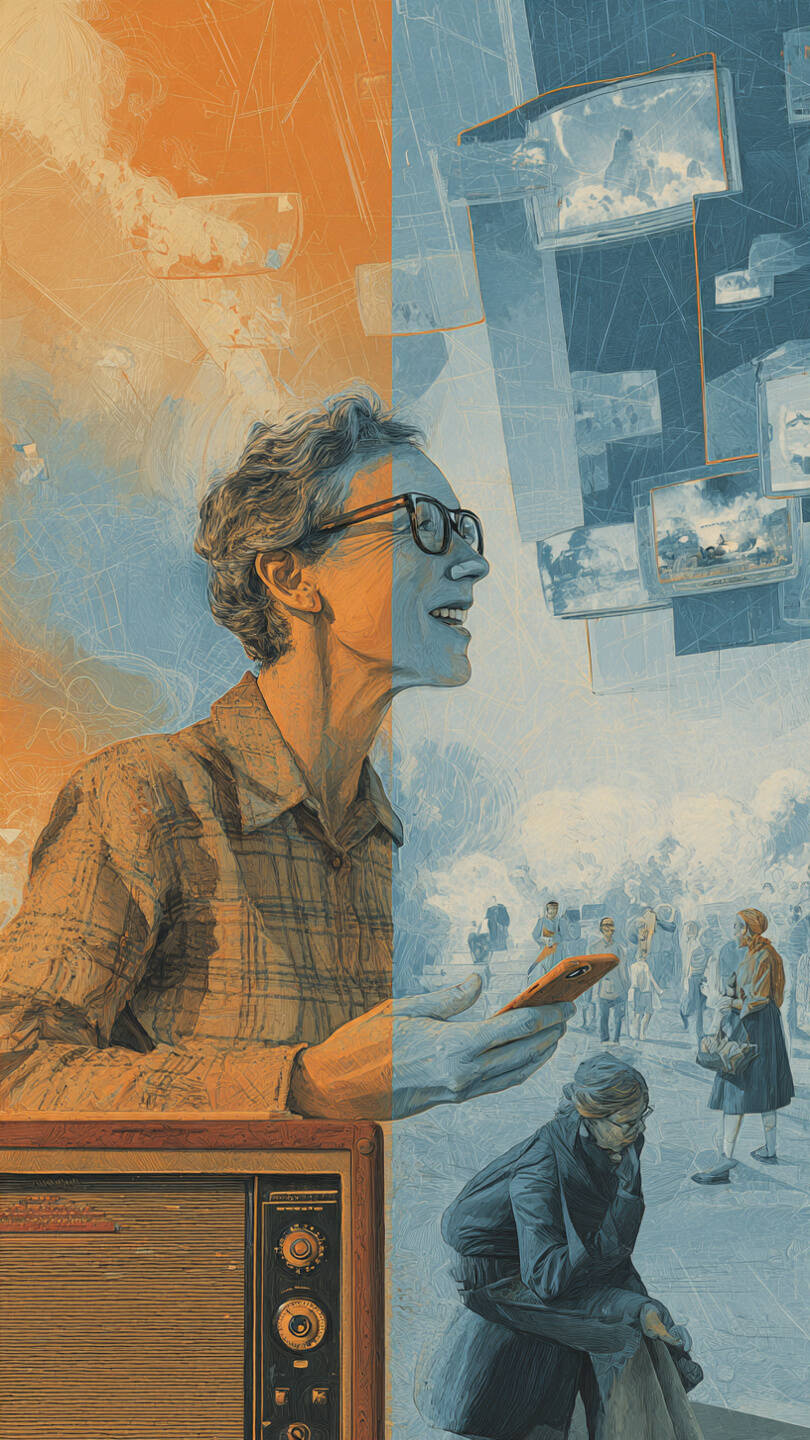
What is secondary trauma?
Secondary trauma is when people begin to feel emotional distress after repeatedly seeing others’ suffering, even if they are not directly affected. With constant exposure to distressing visuals and updates online, the brain starts reacting as if the experience is personal, leading to anxiety, sadness or emotional fatigue.
Signs you might be emotionally overloaded
- Feeling mentally drained after scrolling
- Irritability or low patience without clear reason
- Trouble sleeping after consuming news
- Compulsive checking despite feeling worse
- Either avoiding news completely—or feeling numb to it
How to stay informed without feeling overwhelmed
- Limit news consumption to specific times of the day
- Avoid distressing content before bedtime
- Take regular breaks from social media
- Focus on credible sources instead of endless scrolling
- Spend time offline to reset emotionally
Awareness vs Overload
- Being aware means staying informed and understanding issues.
- Feeling overloaded happens when constant exposure leaves no time to process.
- The balance lies in engaging with information intentionally, not compulsively.








 English (US) ·