

 2 days ago
8
2 days ago
8
ARTICLE AD BOX
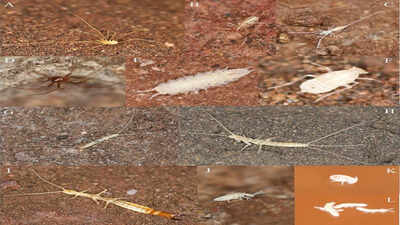
Beneath Patagonia's arid surface, a hidden world of specialised life thrives in vast cave systems. New research reveals a complex ecosystem of unique creatures, adapted to perpetual darkness, facing threats from human activities like mining and tourism. Image Credit: Hidden beneath the arid Patagonian lowlands: ecological and conservation considerations to protect a hotspot of subterranean biodiversity, Fig. 5
Patagonia’s sun-baked plains are defined by rugged plateaus, strong winds and wide blue skies. To the ordinary traveller venturing into this immense South American wilderness, the habitat appears to be made of nothing more than those extreme surface elements.
Surveying these parched lowland regions, it is tempting to believe that the rocky terrain underfoot is a solid boundary separating them from other living things. Any deep hollows might seem devoid of life, trapped in permanent stillness. However, new research has revealed that beneath the seemingly desolate desert surface, a highly specialised ecosystem flourishes in the shadows.This hidden community of life is only now coming to attention because research is looking beyond traditional protected zones.
For decades, conservation efforts in the region focused on visible surface environments such as mountain ranges, seashores and forests, while underground cave networks remained overlooked. These subterranean tunnels are now revealing themselves as places of fragile life and may help redefine how we measure a region’s biodiversity; darkness does not necessarily equal emptiness.Inside the pitch-black depths, a complex ecosystem of specially adapted creatures flourishesTo map the full extent of this underground world, a team of zoologists and cave ecologists set out to identify the animals living in the largest cave system in the area. This comprehensive survey detailed the residents of Argentina's Cuchillo Cura cave system in the journal Community Ecology.
In the study, Marconi Souza-Silva and an international team of researchers spent years compiling data on the cave. They recorded 26 uniquely specialised species that live solely within the caves, with no light from the surface.
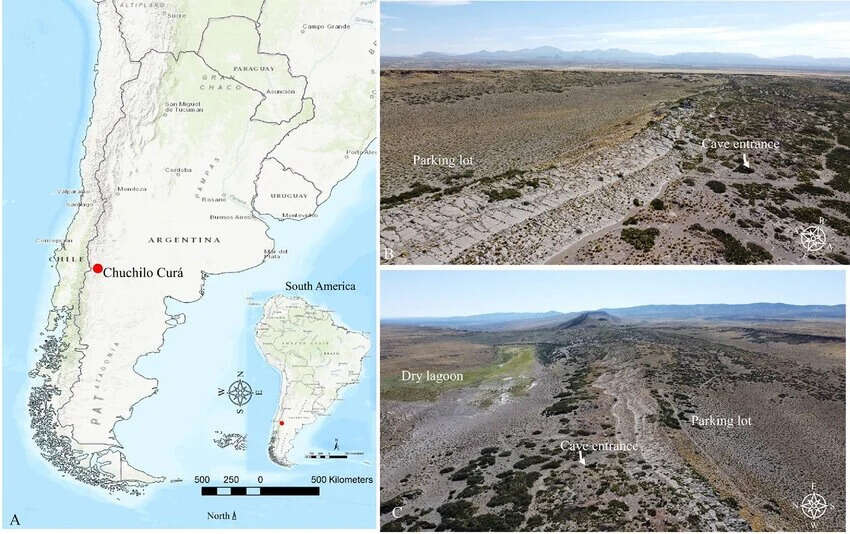
This discovery highlights the urgent need to protect subterranean environments, proving that life flourishes even where light doesn't reach. Image Credit: Hidden beneath the arid Patagonian lowlands: ecological and conservation considerations to protect a hotspot of subterranean biodiversity Fig 1
Among the creatures that inhabit this vast underground cave system is a diverse community of 22 terrestrial species and four aquatic species. Eight species of arachnids, six species of specialised crustaceans and a variety of small insects such as diplurans and collembolans are among the species recorded.
Each creature inhabiting this pitch-black cave system has evolved highly specialised features, including long limbs, highly developed sensory organs and, in some cases, the absence of eyes or pigment.
Their survival depends on stable temperatures and high humidity in a sealed underground habitat.Modern world pressures loom over a delicate habitatBecause this ecosystem evolved over such a long time, present-day human pressures could be devastating.
The absence of light poses no threat to the specialised creatures; the real danger comes from modern human activity. Because the ecosystem is so delicate and the creatures depend on it, even small changes to the surface landscape can cause rapid and often permanent damage. Protecting these rare features requires a major rethink of surface development and industry near karstic landforms, with mining, uncontrolled tourism and groundwater extraction posing significant risks to Cuchillo Cura.The researchers said that heavy machinery can damage the rock covering these cave systems, while people trampling through the caverns can alter airflow and humidity, threatening the habitat. For conservationists in Patagonia, the study underscores the need to protect not only the land we see but also the life beneath our feet.








 English (US) ·