

 1 hour ago
4
1 hour ago
4
ARTICLE AD BOX
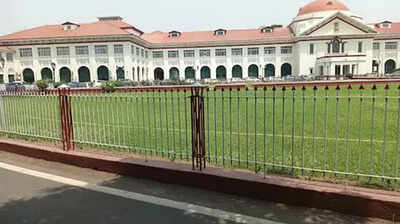
In a robust ruling, the Patna High Court reprimanded the chairman of a Waqf tribunal for hindering progress on a national highway project. The court overturned a previous order that stalled construction due to the presence of a mosque and graveyard, stressing that judicial authorities should refrain from showing partiality towards specific communities.
Patna: Expressing displeasure over the functioning of the state’s Waqf tribunal, the chairman of which had passed a prohibitory order obstructing work on a national highway project in Bihar due to the presence of a mosque and a graveyard on land acquired for the project, the Patna high court said, “It is not acceptable that a judicial officer fails in appreciating law and keeps in mind the interest of a particular community.
”The high court quashed the tribunal’s order of May 15 last year that had restrained the National Highways Authority of India (NHAI) from carrying out construction work on an NH connecting Bihar with Assam (East-West Corridor) in the Mohiuddinpur Razwa locality of Samastipur district.A single bench of Justice Bibek Chaudhuri delivered the verdict on Tuesday while allowing an appeal filed by the NHAI.NHAI counsels Maurya Vijay Chandra and Gaurav Govind argued that the tribunal’s prohibitory order against their client was overriding in nature as the Waqf Act, 1995 (amended in 2025), does not confer any power on the tribunal to hear matters related to land acquisition carried out under the NHAI Act.
The counsels also drew the court’s attention to a recent instance of the harmonious relocation of a religious structure that had obstructed construction of a national highway connecting Bhojpur with Patna, carried out in the light of court rulings.Justice Chaudhuri, while making strong observations against the tribunal’s chairman, also held that the special provisions governing land acquisition under the NHAI Act cannot be bypassed by a tribunal functioning under the Waqf Act.








 English (US) ·