

 11 hours ago
3
11 hours ago
3
ARTICLE AD BOX
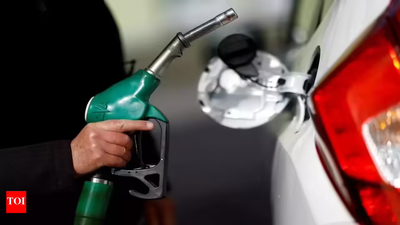
Rising fuel prices following the Iran conflict are beginning to influence consumer sentiment and parts of the automotive market, with early signs of increased interest in electric vehicles (EVs), particularly in Europe. The surge in gasoline prices, driven in part by disruptions in the Strait of Hormuz—through which about 20% of global oil supply passes—has led to higher costs at the pump.
In Britain, prices have risen 7% since late February, while the European Union has seen an 8% increase. In the United States, average prices have climbed 27% to $3.72 per gallon.Some businesses are already seeing a shift. A used EV dealer near London reported record sales shortly after the conflict began and is increasing inventory amid expectations of continued demand, as buyers anticipate further fuel price hikes.
However, analysts say such price increases may not immediately change broader car-buying behaviour. Historically, sustained or sharply higher fuel prices are needed to trigger a shift toward smaller or more efficient vehicles.
Industry observers point to thresholds—such as $4 per gallon in the U.S.—as potential tipping points for increased EV interest.So far, data from vehicle research platforms in the U.S. shows limited change in buyer activity.
EV search interest has remained largely stable, with only a marginal rise in attention toward electrified vehicles. In contrast, Europe is showing stronger signs of movement. EV interest has risen in markets such as Germany, supported by tax incentives and growing concern over running costs. Surveys indicate that a significant share of consumers are considering switching to EVs or hybrids due to higher fuel prices.Automakers are also responding. Vietnamese EV manufacturer VinFast has introduced discounts for customers switching from petrol vehicles, as fuel prices in Vietnam have surged sharply. In the U.S., a broader shift to EVs appears less likely in the near term, given their relatively small share of total vehicle sales and the removal of federal incentives. Research suggests that a more substantial rise in fuel prices would be required to drive significant adoption.
Rising fuel costs may also impact overall vehicle demand, as economic uncertainty and higher ownership costs lead some buyers to delay purchases.









 English (US) ·