

 57 minutes ago
6
57 minutes ago
6
ARTICLE AD BOX
The ceasefire has unravelled into the fiercest fighting in weeks, with oil routes under threat, Gulf nations on high alert and India facing fresh concerns over fuel supplies, shipping and the safety of its citizens.
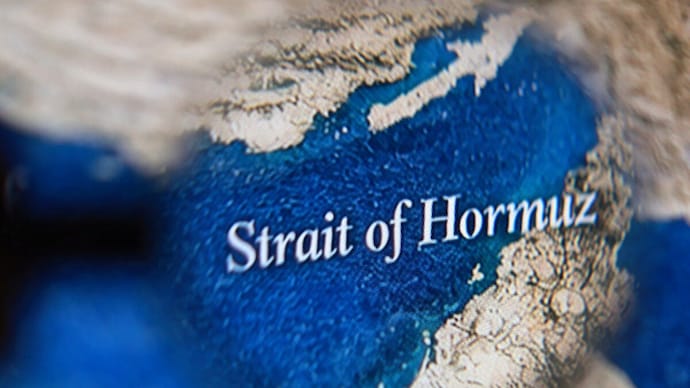
The latest attack on a merchant ship in the Strait of Hormuz has reignited tensions in the Middle East. (Photo for illustration. Credits: Reuters)

UPDATED: Jul 12, 2026 16:14 IST
The collapse of the US-Iran ceasefire has put India back on alert, with Tehran shutting the Strait of Hormuz - the route through which a large share of the world's oil and much of India's LPG imports pass. As Washington launched fresh strikes on Iran and Gulf countries activated air defences, New Delhi now faces renewed concerns over fuel prices, shipping and the safety of millions of Indians in the region.
The latest military escalation is the most intense since the memorandum of understanding signed in June briefly eased hostilities.
WHY THE HORMUZ CLOSURE MATTERS TO INDIA
The Strait of Hormuz carries nearly one-fifth of global oil trade, making it one of the world's most critical energy corridors.
While India has reduced its dependence on crude oil shipped through the strait by diversifying its suppliers, LPG remains a major concern. India imports nearly 60 per cent of its cooking gas requirements, with around 90 per cent of those imports historically transiting the Strait of Hormuz.
If the closure continues, experts believe household LPG prices will be among the first to come under pressure.
Oil markets have already begun reacting. Brent crude climbed close to $79 a barrel on July 9 after fresh US strikes, reflecting fears that the conflict could disrupt supplies.
MORE THAN 10 MILLION INDIANS IN GULF
The conflict also raises concerns for Indian nationals living across the Gulf.
More than 10 million Indians reside in six Gulf countries, including the UAE, Qatar, Kuwait and Bahrain - all of which activated air defence systems or emergency alerts this week as missiles and drones targeted the region.
More than eight Indians have already lost their lives in separate incidents linked to the ongoing conflict.
The developments also bring maritime safety back into focus. Earlier during the conflict, the Indian Navy launched Operation Sankalp to help secure shipping and assist stranded LPG carriers operating in the region.
The Ministry of External Affairs had earlier confirmed it was closely monitoring Indian-flagged vessels passing through the Strait of Hormuz. Even after the June ceasefire briefly reduced tensions, 10 Indian-flagged vessels remained in the Persian Gulf region.
US HITS MORE THAN 300 IRANIAN TARGETS
The renewed fighting began after the US dramatically expanded its military campaign against Iran.
In a statement issued on July 11, the US Central Command said American forces struck around 140 Iranian military targets, including missile and drone launch sites, naval assets, ammunition depots, communication infrastructure and coastal radar stations.
CENTCOM said the attacks were carried out using precision-guided munitions fired from land-based and sea-based aircraft, drones and naval vessels.
It added that US forces have struck more than 300 targets over three consecutive nights under orders from President Donald Trump to stop Iran from threatening civilian shipping.
The latest strikes followed an Iranian missile attack on the Cyprus-flagged container ship GFS Galaxy.
IRAN DIGS IN, GULF ON EDGE
In response, Iran's Islamic Revolutionary Guard Corps Navy declared the Strait of Hormuz closed "until further notice".
Iran's Parliament Speaker Mohammad Bagher Ghalibaf said on state media that the waterway would reopen only on "Iranian arrangements," not American pressure.
"The era of one-sided deal is over," he said.
The fallout quickly spread across the Gulf.
The UAE Defence Ministry said explosions heard in parts of the country were caused by its air defence systems intercepting ballistic missiles, cruise missiles and drones.
Bahrain sounded nationwide sirens for the second time this week after reports of incoming Iranian missiles. Kuwait said its air defence systems were confronting rocket and drone attacks, while Qatar issued an emergency alert before later saying the immediate threat had passed.
- Ends
Published By:
Sonali Verma
Published On:
Jul 12, 2026 16:13 IST





 English (US) ·