

 50 minutes ago
3
50 minutes ago
3
ARTICLE AD BOX
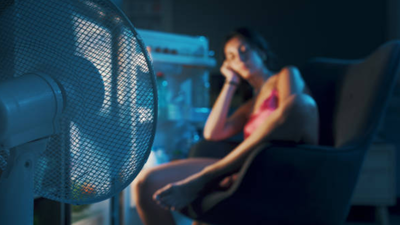
You probably think the worst part of summer heat is when you're outside sweating through your shirt at 2 PM. But the real problem happens when the sun goes down. Your body's supposed to cool off at night.
That's when you recover, when your heart rate drops, when you actually get rest. Except when it doesn't. When nighttime temperatures stay high, your body never gets that break. You go to bed already exhausted from the heat, and then you spend the whole night sweating, unable to sleep properly, and getting progressively more stressed from the inside out.This isn't just uncomfortable. It's actually dangerous."Rising nighttime temperatures can be more dangerous than hot days because the body does not get enough time to cool down and recover from daytime heat," Dr.
Arvind K. Minz Clinical Director – Internal Medicine, Marengo Asia Hospitals Faridabad told TOI Health.Your body can't regulate temperature properly when heat exposure is constant. You're losing fluids and electrolytes continuously. Your heart has to work harder all night. Your sleep gets destroyed, which tanks your immune system and your ability to think clearly the next day. And if you're elderly, a child, pregnant, or dealing with any existing health condition, the risk goes way up.
Heat-related illness doesn't announce itself.
It just quietly builds up until something serious happens.“During hot nights, the body doesn’t get enough time to cool down properly. This puts continuous stress on the system, leading to excessive sweating, loss of fluids and essential salts, and added strain on the heart,” the expert explained. “Poor sleep caused by persistent heat can also leave people feeling tired, mentally drained, and less alert the next day.
Over time, repeated exposure to high nighttime temperatures may increase the risk of heatstroke, stroke, kidney injury, and in severe cases, even death.
”
Who is more at risk?
Dr. Arvind explained that there are certain groups that are more affected because their bodies are not able to regulate heat or recover from prolonged exposure as efficiently. Older adults tend to sweat less and often have weaker cardiovascular function, while children lose fluids much faster.
Pregnant women already experience extra metabolic and circulatory stress, making heat harder to tolerate. Outdoor workers face long hours of heat exposure, and people living with chronic conditions may already have compromised heart, lung, or kidney function, which further raises the risk of heat-related complications.
How to stay safe?
“To avoid heat-related illness during hot nights, drink enough water, keep your room cool with fans or proper ventilation, wear loose and breathable clothes, avoid heavy dinners and strenuous activity late in the evening, and take a cool shower before bed,” Dr. Arvind recommended. “Extra care should also be taken for older adults, children, and pregnant women by helping them stay in cooler spaces and watching for signs of heat stress.
”








 English (US) ·