

 52 minutes ago
6
52 minutes ago
6
ARTICLE AD BOX
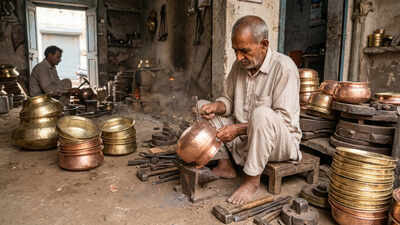
Centuries ago, the narrow lanes of traditional artisan settlements in Punjab and the bustling historical corridors of Old Delhi resonated with a rhythmic, metallic symphony: thak-thak-thak.
This was the sound of the Thatheras, an ancient community of craftsmen who hand-hammered sheets of copper and brass into beautiful, robust kitchenware. This craft holds the prestigious distinction of being the only Indian craft form inscribed on UNESCO’s Representative List of the Intangible Cultural Heritage of Humanity.Yet, despite this global recognition, the rhythmic beating nearly went silent. Cheap plastic, stainless steel, and aluminum pushed these ancient metals out of Indian kitchens.
But a huge paradigm shift is occurring in contemporary cooking spaces. With growing apprehensions among urban households regarding synthetic coatings, toxins in the form of micro-plastics, and leaching of heavy metals from traditional cookware, a kitchen revolution driven by health is in full swing.By integrating the timeless principles of Ayurveda in contemporary designs, there is a transformation of nutrition and a revival of over hundreds of artisans.
This example clearly shows how heritage, mindful consumption, and health can comfortably exist in a modern kitchen.
Transforming Households from Distress to Prosperity
Before this revival driven by wellness, the art of hammering metals was close to extinction. The artisans were receiving as little as ₹2,000 to ₹3,000 per month in earnings, making the new generations leave behind their traditional hammers to work as manual laborers."Initially, saving this craft meant finding a way to connect rural artisans directly with the growing global demand for clean wellness," says Aditya Agarwal, CEO, PTAL.
By introducing modern ergonomic elements into traditional shapes, his initiative created a self-sustaining ecosystem. "Today, we work with close to 120 artisan families, and their monthly average income has skyrocketed to over ₹80,000. One of our master artisans' sons even earned ₹4.5 lakhs in a single month by crafting pure wellness vessels.
"For Pankaj Kumar, a 36-year-old artisan who has been wielding the hammer since his early childhood with PTAL, the revival is a financial and cultural resurrection.
"Before the lockdown, it was very difficult for me to earn even 500 to 600 rupees a day. Now, my earnings have tripled to 1,500 or 1,800 rupees daily. On good days, making complex pieces, I can earn up to 2,500 rupees," Pankaj shares with a smile.The revival has shifted the dynamic from basic labor to true partnership, even granting equity and shareholding to core artisans. "The work had hit zero percent here. But now, people from all over are asking for copper and brass again.
Our ancestors' legacy is rising once more," Pankaj adds.
The Ayurvedic Mantra: Brass for Cooking, Copper for Drinking, Kansa for Eating
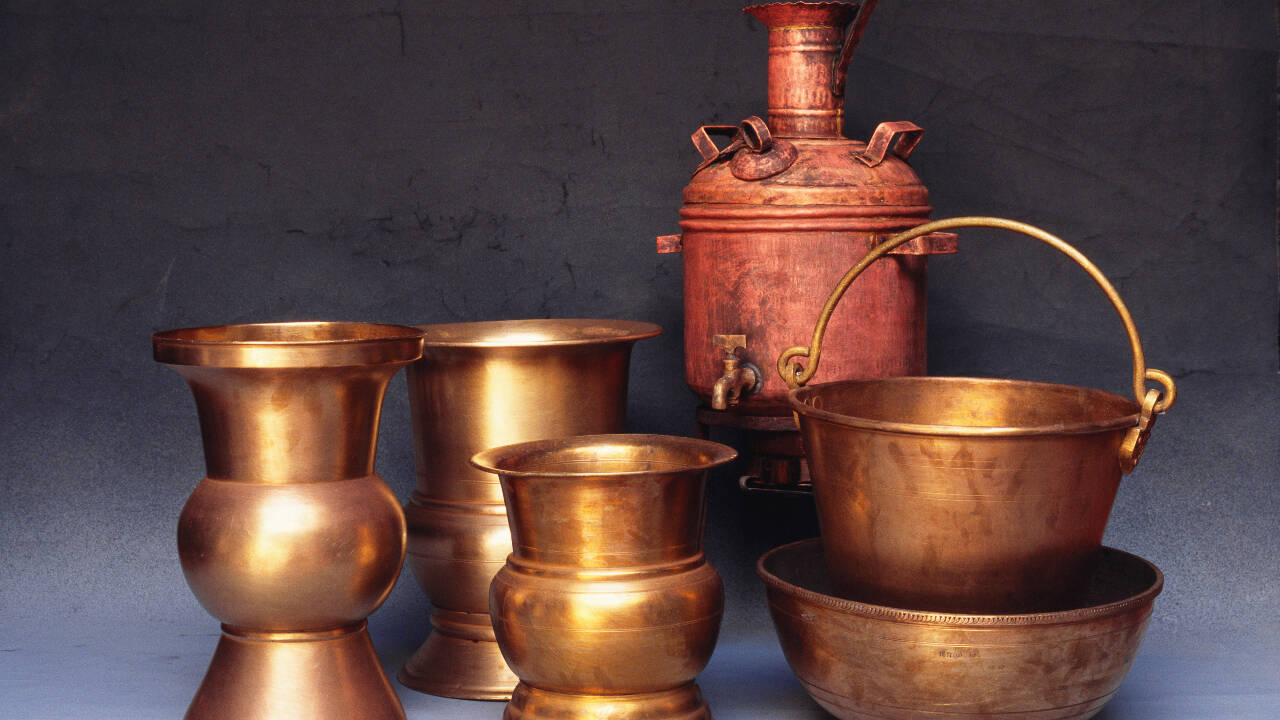
The true catalyst behind this kitchen revolution is the realization that the material of a cooking vessel actively alters the chemistry of the food inside it. Modern health advocates are returning to a foundational Ayurvedic rule of thumb: Brass for cooking, Copper for drinking, and Kansa (Bell Metal) for eating.Brass (An Alloy Of Copper & Zinc): According to Ayurveda, using brass utensils while cooking can help control the levels of strength and immunity.
While the food is being cooked, the beneficial minerals of zinc and copper get infused into the dish.Copper: Used for charging and purification of water. Water kept in copper bottles gets sterilized automatically through the process and maintains an alkaline level that regulates the three doshas in the body (Vata, Pitta & Kapha).Kansa (An Alloy Of Copper & Tin): A healing metal referred to as a golden alloy, Kansa maintains the alkaline level of the body.
It also improves digestion while eating food from Kansa crockery.To bridge the gap between ancient design and contemporary utility, these traditional metals have undergone smart ergonomic upgrades. Heavy pans are outfitted with insulated handles and knobs to suit modern stoves. Most importantly, to eliminate the fear of sour or acidic ingredients reacting with raw metal, the insides of the cooking vessels are coated with pure, traditional tin (kalai)."The tin coating acts as a safe, inert barrier, ensuring the cookware is 100% safe for versatile daily use—you can make citrus dishes, curries, or anything sour without any chemical reaction," Aditya explains. "Furthermore, these metals are naturally non-stick. You can sear foods or make dosas seamlessly on a brass tawa without a chemical Teflon coating."
Science Meets Soul: The Thermal Conductivity Advantage
While Ayurveda speaks of vital energy and balance, modern food science validates these benefits through thermal dynamics.
Rigorous laboratory testing was conducted to understand exactly why food prepared in hand-hammered metals tastes and feels distinctly superior. The secret lies in their remarkable thermal conductivity."Brass and copper are among the best conductors of heat available in nature. They distribute thermal energy evenly across the entire surface of the utensil, ensuring faster cooking and completely eliminating hot spots," notes Aditya Agarwal.
"Our lab tests showed that because of this uniform heat distribution, cooking in these traditional utensils retains six times more nutrition and effectively blocks nutrient loss compared to standard modern cookware.
"This uniform heat distribution prevents localized burning and locks in natural moisture. Instead of aggressively scorching food—as often happens in thin stainless steel or aluminum pans—the heat gently coaxes out flavors, preserving delicate vitamins and enzymes.
The Social Media Effect and Popularity
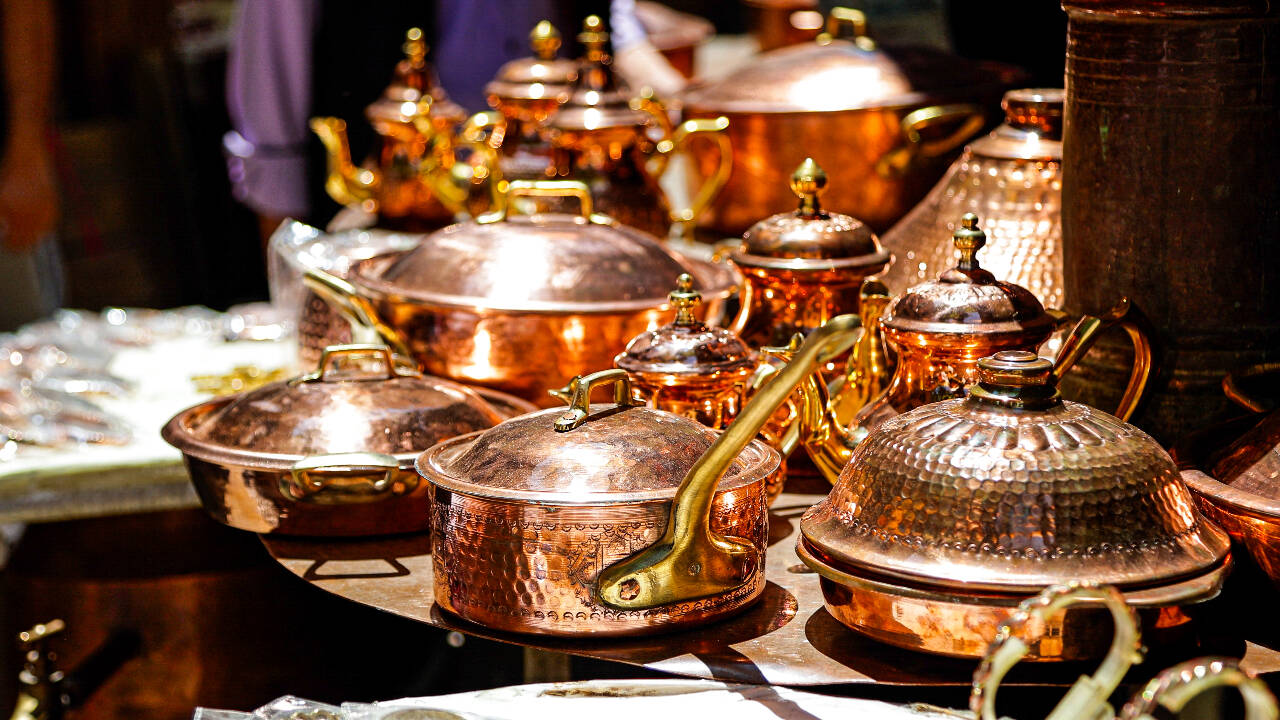
Today, people don't just want cookware; they want aesthetics too, and that is where such cookware comes into picture and social media has helped boom this market too. Aditya confirms, "It is so impactful that we collaborated with Chef Natasha Gandhi and we launched a range, who once ordered a traditional lagaan and a brass handi out of simple curiosity for her daily cooking videos, and it went viral.
The Homemaker’s Verdict: A Return to Holistic Well-being
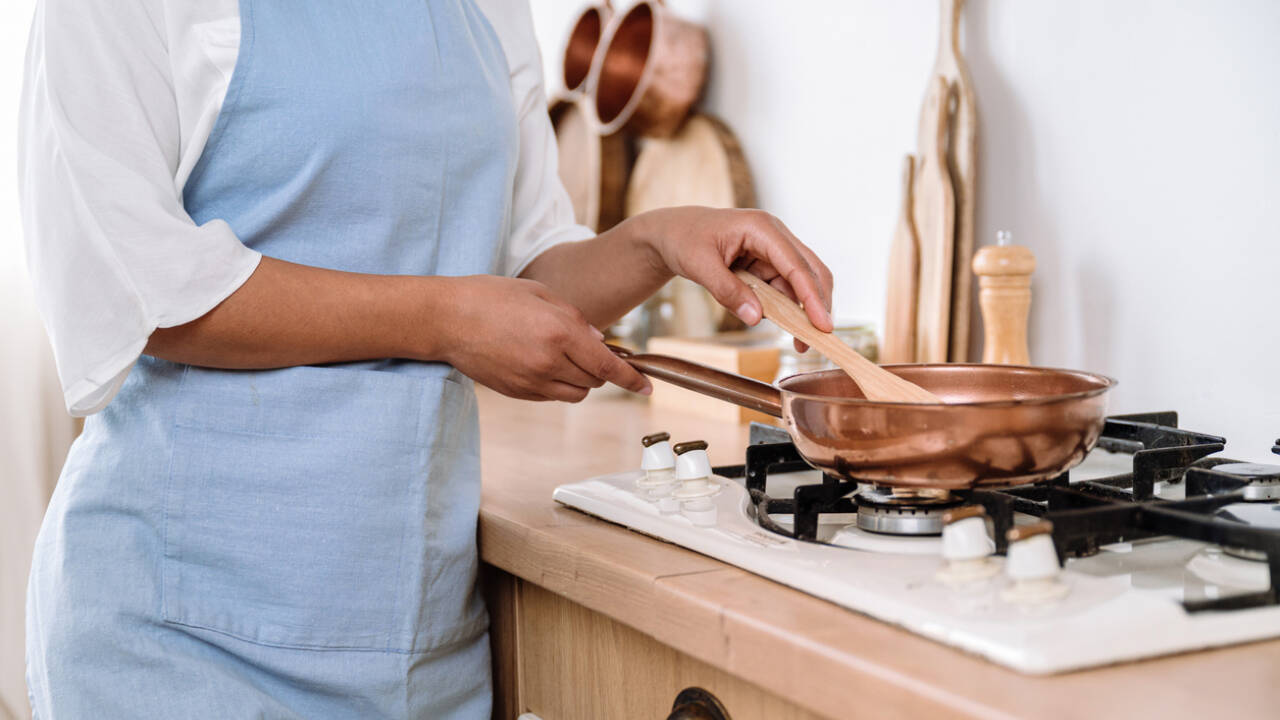
For urban homemakers, shifting away from synthetic non-stick and aluminum cookware is a conscious step toward preventative healthcare.
Pratibha Mani Tripathi, a homemaker who transitioned her kitchen to these traditional utensils several years ago, has felt a tangible change in her household's health."When you switch to pure brass and copper, you aren't just changing your utensils; you are changing the quality of the fuel you feed your family," Pratibha shares. "Initially, I was worried about the maintenance because brass oxidizes and changes color over time.
But I realized that tarnishing is actually proof of the metal's purity! Using a non-toxic, plant-based cleaning liquid brings the vibrant shine back in ten seconds.
"Pratibha emphasizes that the heavy weight of the cookware provides unparalleled stability on modern gas stoves, preventing dangerous wobbling. "The food tastes distinctly richer and more flavorful. My family's digestion has improved, and there is a deep sense of satisfaction knowing that no toxic microplastics, PFOAs, or chemical coatings are scraping off into our daily daal and sabzi."
Forging a Sustainable, Intergenerational Future
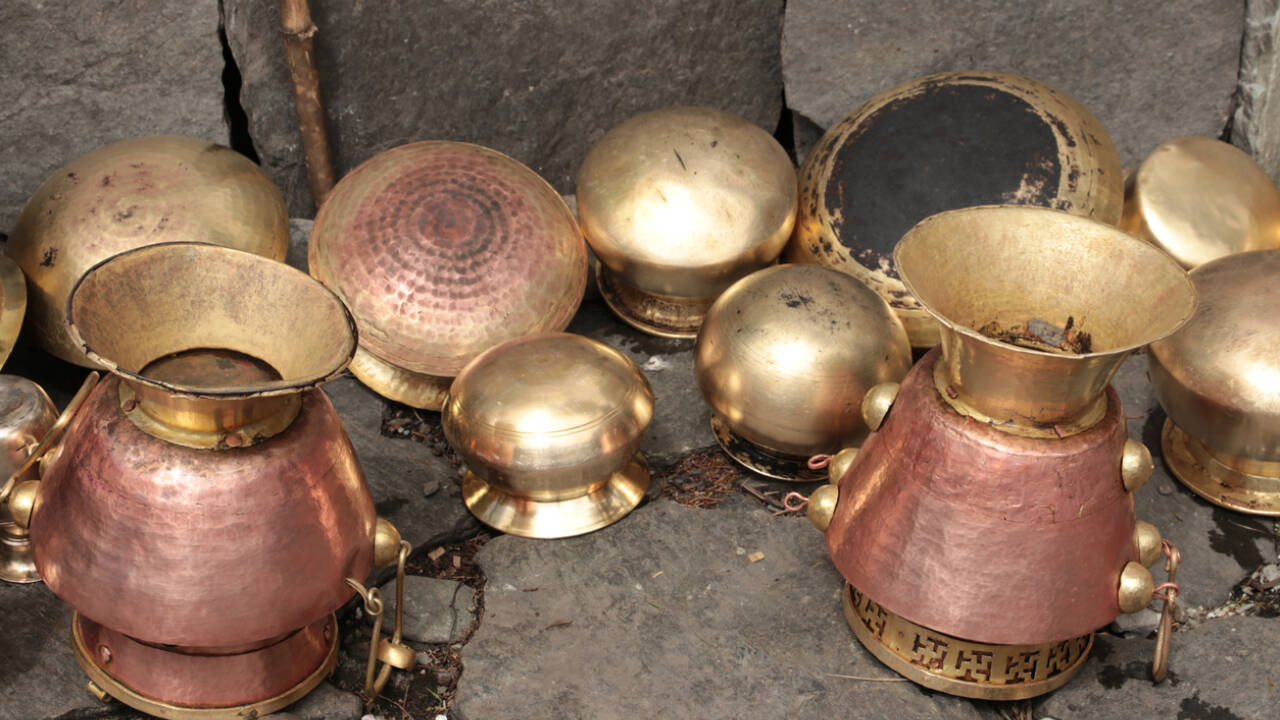
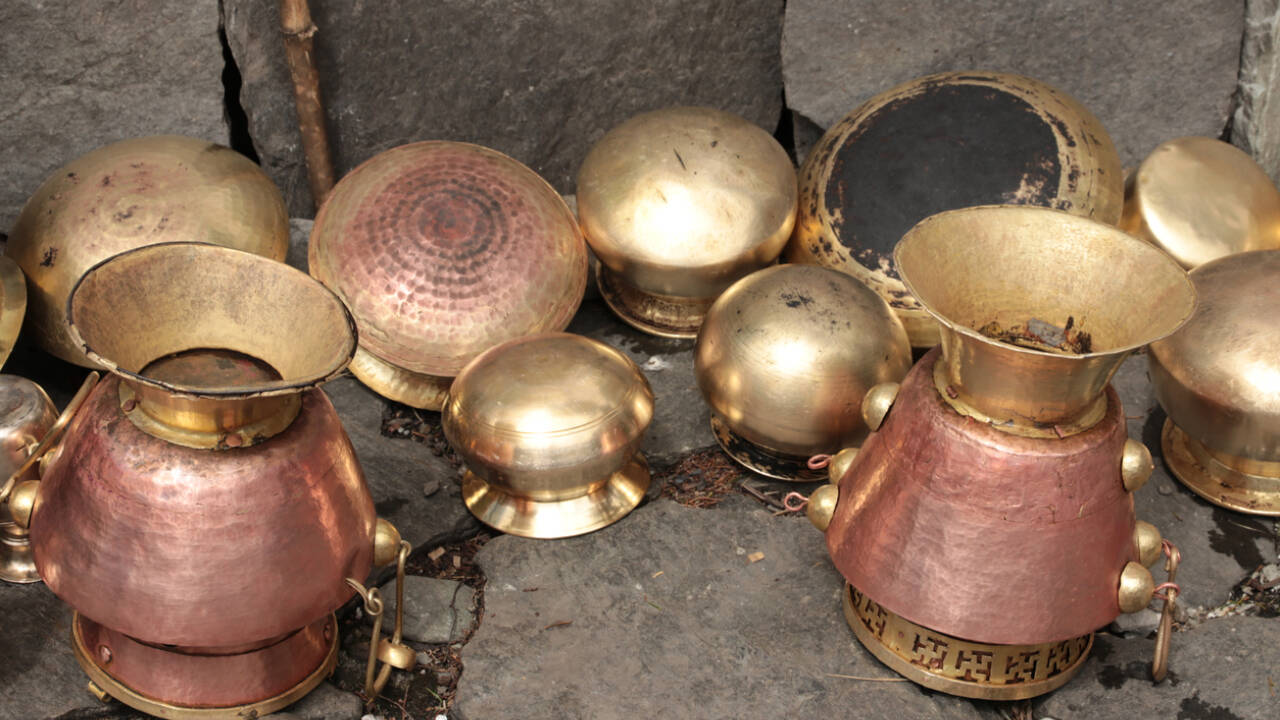
By standardizing metallurgical proportions (such as using the ideal 78:22 ratio of copper to tin for pure Kansa) and using strict quality checks to prevent cheap steel or toxic lead adulteration, this movement has built an empire of consumer trust. These hand-crafted pieces are now moving out of rural workshops and into premium global culinary spaces, finding a home with consumers who view food as medicine.Perhaps the most profound victory of this health-led revival is demographic.
A few years ago, the average age of a working Thathera artisan was over 50. Today, because of sustainable economic security driven by health-conscious buyers, younger generations are proudly returning to the anvil. The average age of the artisans has dropped to 37 years.Through this beautiful synergy of clean kitchen design, rural economy, and preventative wellness, the rhythmic thak-thak-thak of the Thatheras will continue to echo—not as a relic of history, but as the healthy, beating heart of the modern household.Images Courtesy: istock and Google Gemini








 English (US) ·