

 4 days ago
8
4 days ago
8
ARTICLE AD BOX
3 min readUpdated: Apr 1, 2026 03:15 PM IST
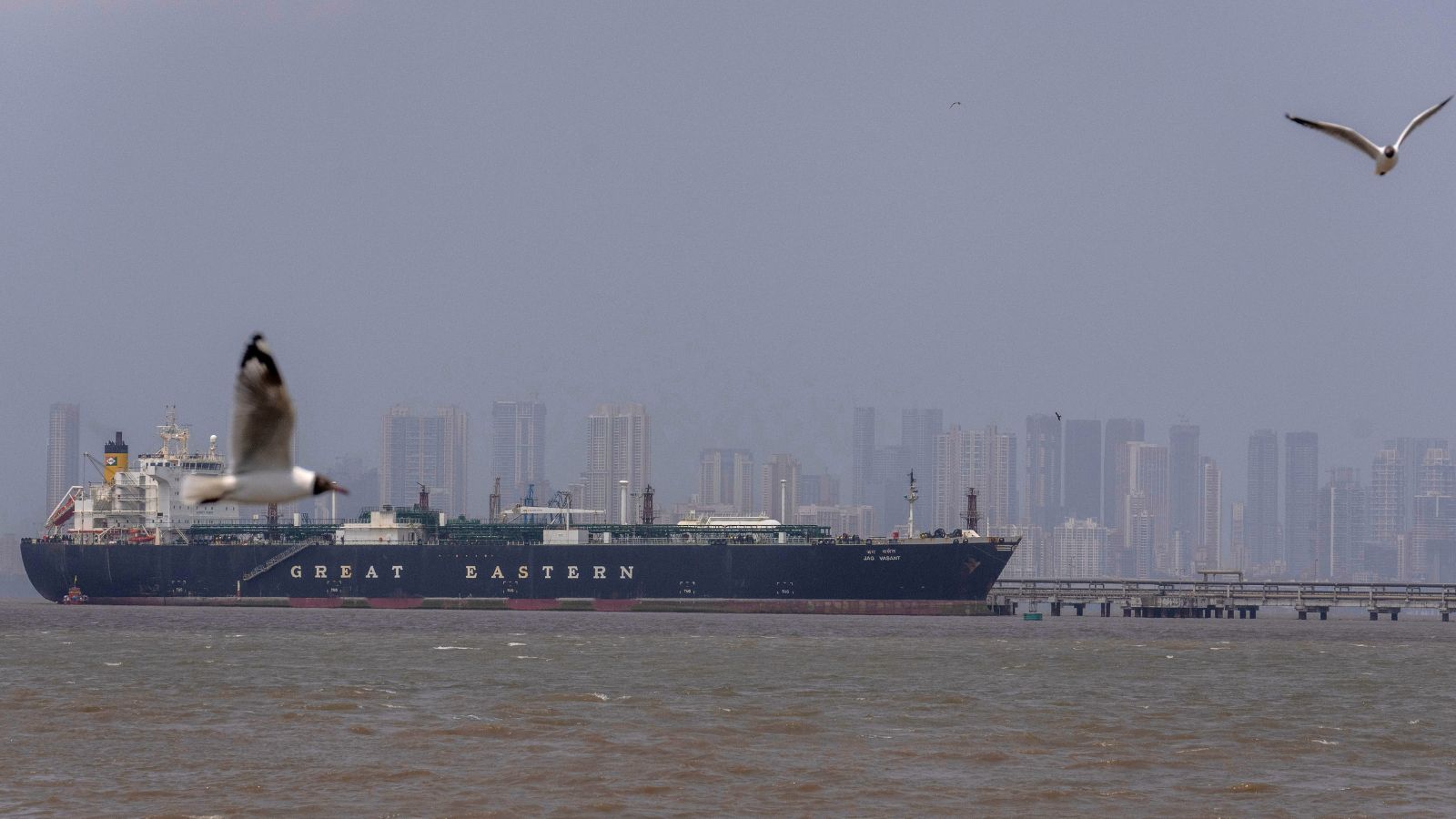 The Indian flagged LPG carrier Jag Vasant transporting liquefied petroleum gas, is seen at the Mumbai Port in Mumbai, India, after it arrived clearing the Strait of Hormuz
A day before Israel and the United States attacked Iran on February 28, the Indian-flagged LPG tanker Pine Gas loaded cargo at the United Arab Emirates’ Ruwais port, hoping to reach home within a week. However, it would be nearly three weeks before the vessel safely transited the Strait of Hormuz, after Iran began selectively allowing ships through the narrow waterway.
Pine Gas Chief Officer Sohan Lal said the ship’s 27 Indian crew had seen missiles and drones flying overhead every day as they waited. In a video seen by Reuters, at least five projectiles can be seen streaking through the night sky above the vessel. Lal said Indian officials had asked the crew to be on standby to set sail around March 11, but with the war escalating, it took until March 23 before the ship was cleared to move, but not through the normal Hormuz shipping lanes.
Instead, Iran’s Islamic Revolutionary Guard Corps instructed the tanker to navigate a narrow channel north of Larak Island off Iran’s coast. Lal said Indian authorities and the ship’s owner, Mumbai-based Seven Islands Shipping, agreed to proceed only if every crew member consented to the voyage.
“They needed a yes or a no from all crew,” he said. “Everyone onboard agreed.” Lal added that the Larak route, not generally used by shipping, was recommended by the IRGC as the regular passage through Hormuz was mined.
He said the Indian Navy guided the ship during the transit before four Indian warships escorted it for nearly 20 hours from the Gulf of Oman to the Arabian Sea. Lal said they did not pay a fee for the transit and the IRGC did not board the vessel at any time.
The Indian navy confirmed it was escorting Indian-flagged ships after they crossed the strait. The foreign ministry said this month that the Indian Navy has been present in the Gulf of Oman and the Arabian Sea for years to secure sea lanes for Indian and other ships.
LPG CRUNCH IN INDIA India relies heavily on seaborne imports of liquefied petroleum gas with hundreds of millions of households using it for cooking.
The Pine Gas, carrying 45,000 metric tons of LPG, was originally scheduled to unload at the west coast port of Mangalore but Indian authorities directed it to discharge equal volumes at the eastern ports of Visakhapatnam and Haldia.
Story continues below this ad
Iran has said it has permitted “friendly nations” including China, Russia, India, Iraq and Pakistan passage through the Strait of Hormuz.
While six Indian ships have exited the Strait, 18 Indian-flagged vessels carrying around 485 Indian seafarers remain in the Persian Gulf.






 English (US) ·