

 1 hour ago
4
1 hour ago
4
ARTICLE AD BOX
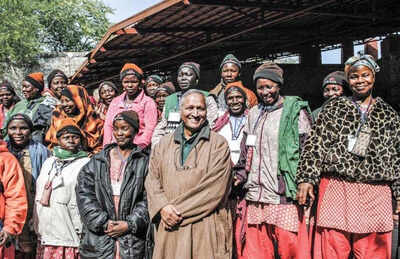
At first glance, the idea sounds almost like a parable: send a grandmother to school, teach her to wire a solar panel, send her back home, and watch an entire village change. But that is exactly the wager Bunker Roy made in Tilonia, Rajasthan, where Barefoot College has spent decades proving that expertise does not have to wear a tie, speak polished English or come with a certificate.
Its own history says the organisation began in 1972, founded by Sanjit “Bunker” Roy, with a mission to make marginalised communities self-sufficient. Scroll down to read more...
A college built on a radical bet
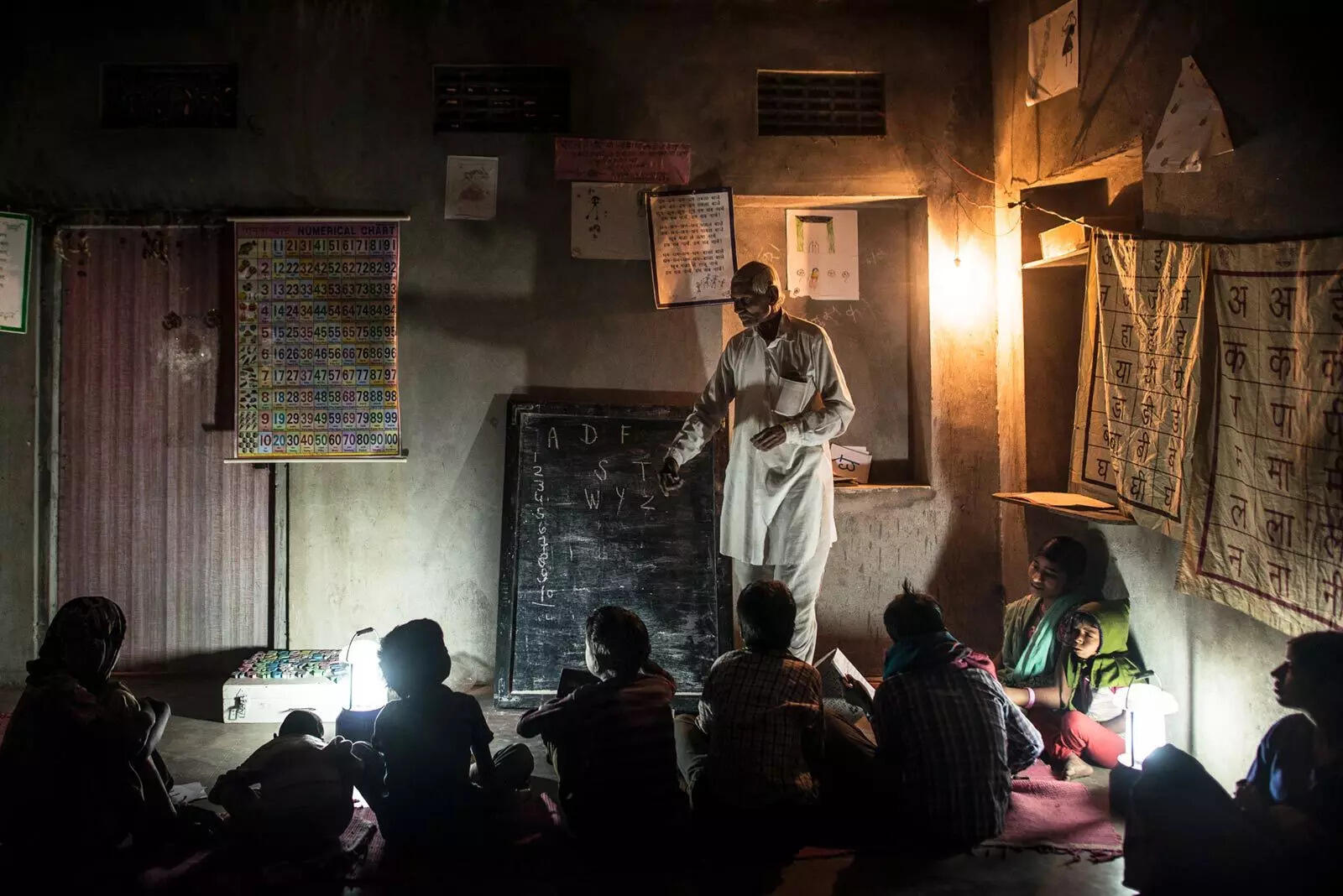
Roy’s project grew out of a rejection of the usual development script. Instead of assuming that rural communities needed outside experts to solve their problems, he built an institution around local knowledge, practical learning and self-reliance.
The college’s Tilonia campus was designed and built with local materials by villagers themselves, and the philosophy behind it is blunt: the solutions to rural problems should be rooted in rural life.
That idea still anchors the organisation’s work today.The setting matters. Tilonia is not an urban campus with glass towers and lecture halls. Barefoot College’s own materials describe it as a grassroots organisation based in a village near Jaipur, where training is meant to fit the lives of people who cannot afford to leave home for years or wait for formal schooling to validate them.
In Roy’s world, a workable solution is one that can survive the village, not just impress a conference audience.
The most famous part of the Barefoot story is its solar programme, which trains women from remote, often non-electrified villages to become solar engineers. The organisation says it works with marginalised illiterate and semi-literate women from the Global South, who learn to design, make, install and repair solar lanterns and home-lighting systems.
They are affectionately known as “Solar Mamas,” and many are grandmothers.That choice is not sentimental; it is strategic. WIPO’s profile of the college explains that after starting with semi-literate and illiterate women in the 1990s, Barefoot College found that middle-aged women were often the best trainees. They were more likely to stay in their villages, less likely to migrate for wage work, and more invested in keeping a system running long after the trainers left.
Roy has put the point even more sharply: a young person with new skills may leave for the city, while a grandmother is likelier to remain and serve the community that raised her.
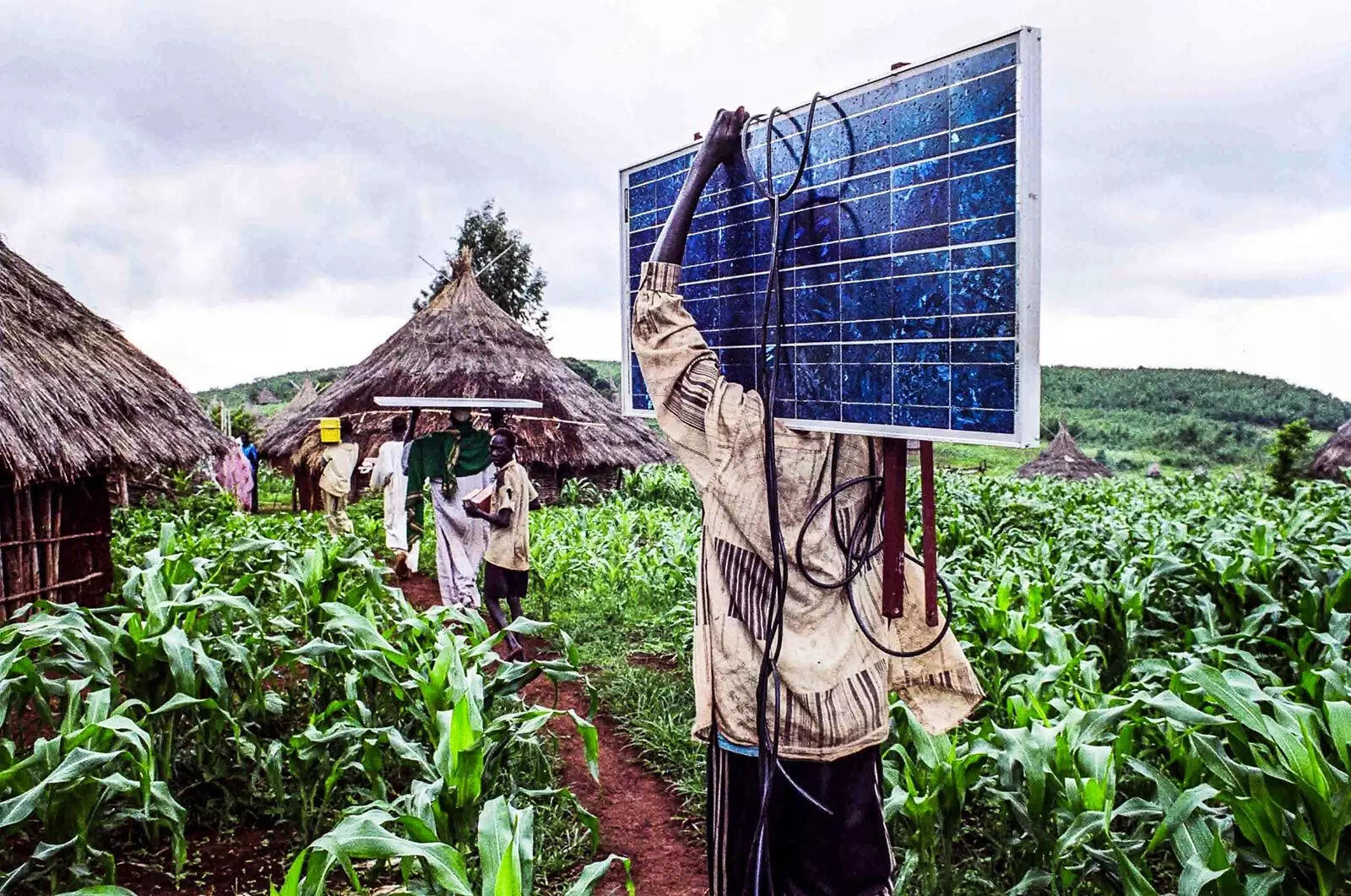
That simple insight turns the usual hierarchy upside down. In many development programmes, the village becomes the recipient of knowledge. At Barefoot College, the village becomes the site of expertise. The women are not being rescued; they are being equipped to become technicians, teachers and problem-solvers in places that are too often treated as too poor, too remote or too illiterate to do technical work.
The classroom is hands-on, not theoretical
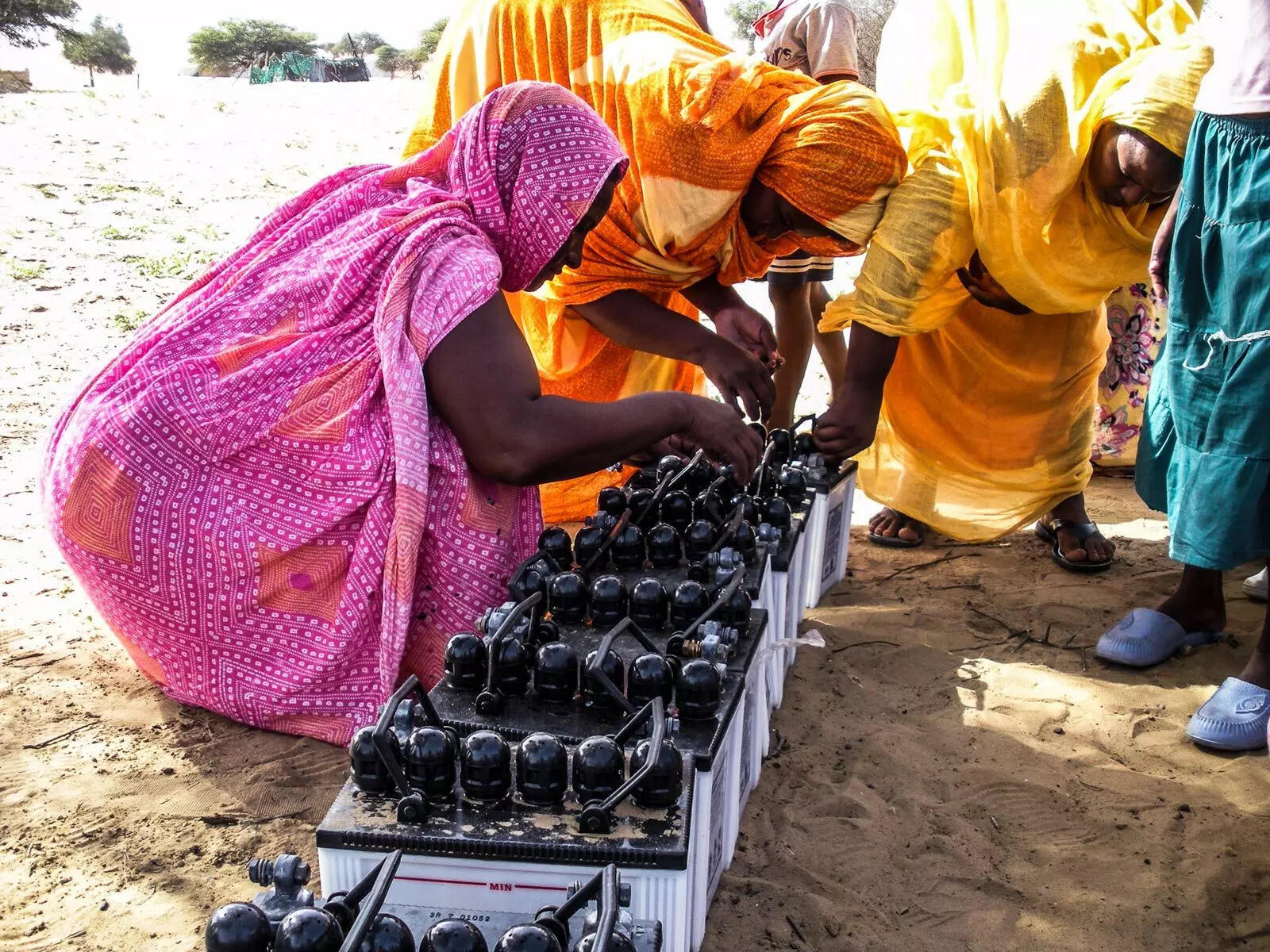
Barefoot College’s solar training runs for six months, according to both the college and India’s Ministry of New and Renewable Energy. The women are taught through practical demonstration rather than textbooks: identifying parts by shape and color, learning by example, assembling systems, and then returning home with the tools and spare parts needed to keep working. The model is designed for people who may not read fluently, but can learn rapidly when the teaching is tactile and immediate.
Barefoot College has also trained 1,708 rural women from 96 countries and brought electricity to more than 75,000 households. India’s MNRE cites 1,600 Solar Mamas from 96 countries and says the programme has electrified 60,000 houses while saving 45 million litres of kerosene. The numbers differ, but the direction is the same: a village-based training model that produces measurable access to light, safety and income.
What makes Bunker Roy’s work endure is not just the romance of its story, but the discipline behind it. Barefoot College is built on the belief that dignity is a development strategy. Give people responsibility, train them properly, trust them to keep the system going, and they often do more than maintain it: they expand it, adapt it and teach it onward. That is why the college’s influence has spread beyond solar energy into education, health, water and livelihoods.
Roy’s legacy, then, is not simply that he built a college in a Rajasthani village. It is that he challenged a basic assumption of modern development, that expertise must arrive from outside. In Tilonia, the better answer was far more modest and far more radical: start with the people already there, especially the women everyone else has overlooked, and let them become the engineers of their own future.








 English (US) ·