

 1 hour ago
7
1 hour ago
7
ARTICLE AD BOX
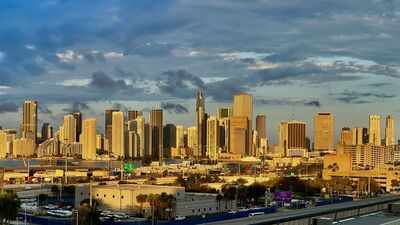
Miami is often described through its beaches, skyline and links to Latin America, yet the origin of its name reaches much further back than the city itself. Long before railways, hotels and real-estate booms transformed the coastline, the area was known through a river and the Indigenous communities who lived beside it.
The name that eventually became "Miami" emerged from a landscape of waterways, mangrove shores and settlements that existed centuries before the modern city appeared. According to educational records compiled by the Florida Centre for Instructional Technology, the story of the city's name is closely tied to the Miami River and the people who first called the region home. Understanding that connection reveals how a relatively young city inherited a much older identity.
How Miami got its name from the Tequesta people
pc: wikipedia
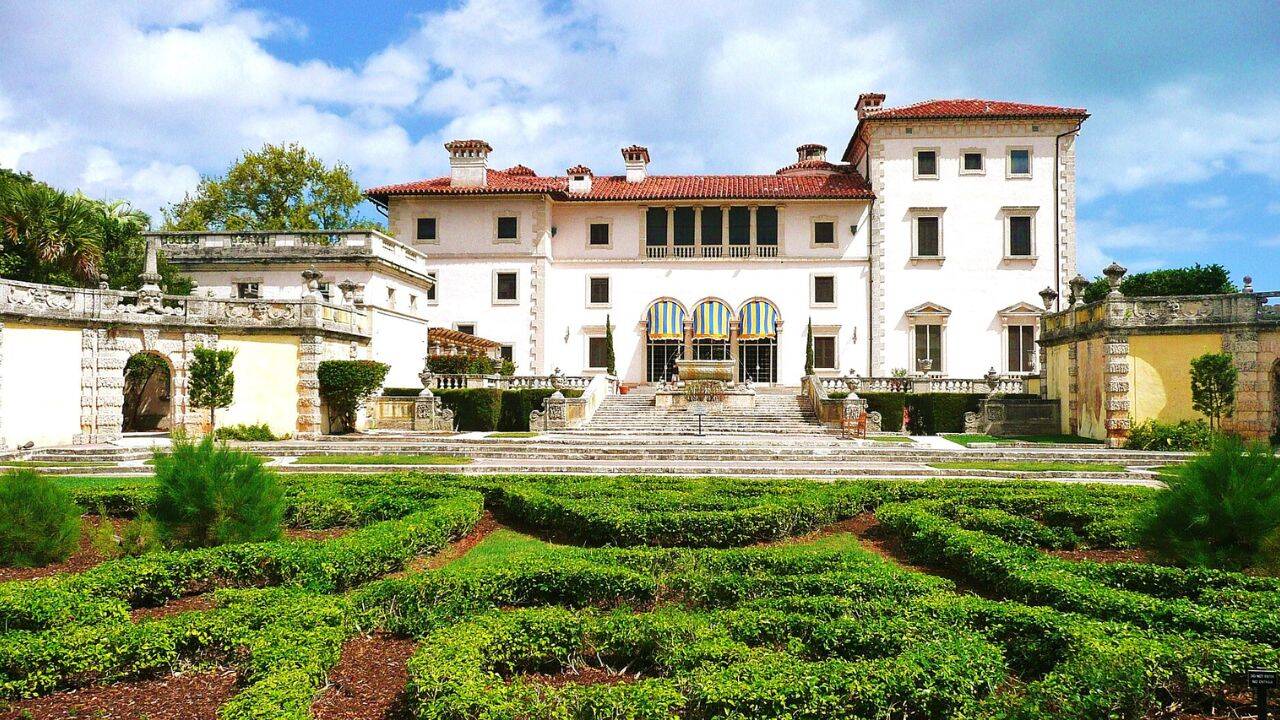
The origins of Miami's name can be traced to the Tequesta people, who occupied the region for many centuries before European arrival.
Their settlements were concentrated around the mouth of the river that now flows through the centre of the city and into Biscayne Bay.According to historical records of the City of Miami, the Miami River derived its name from a Tequesta word often interpreted as meaning "big water." The exact linguistic origins remain difficult to verify because much of the Tequesta language disappeared after the community declined during the colonial period. Even so, the river carried a name that reflected the area's relationship with water, something that shaped daily life for the people living there.
For thousands of years, the river served as a source of food, transport and shelter. Early inhabitants depended on the surrounding environment rather than large-scale agriculture. Fish, shellfish and other natural resources were abundant, making the region attractive long before it appeared on European maps.
How European settlement shaped the history of Miami
pc: wikipedia
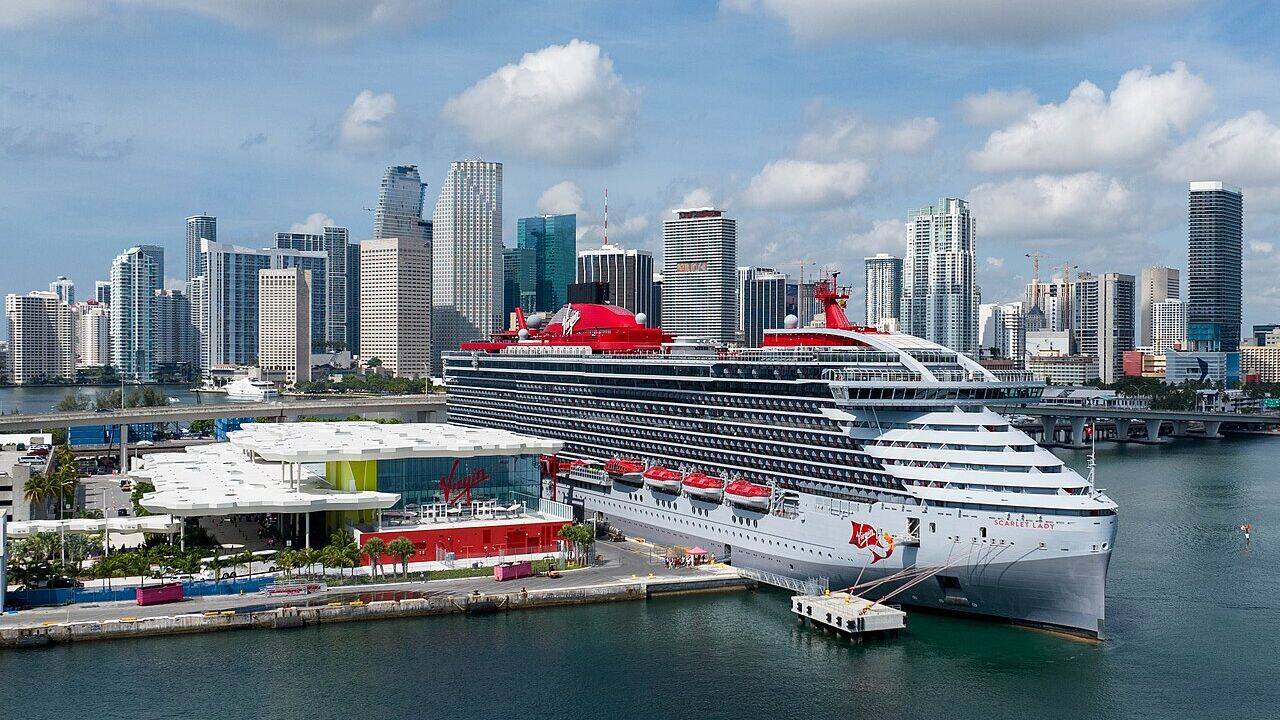
When Spanish explorers reached South Florida in the sixteenth century, they encountered an established Indigenous society rather than an empty wilderness.
Records cited by the City of Miami indicate that Spanish visitors arrived in the area during the 1500s, and a mission was later established near the river.European colonisation gradually altered the region. Disease, conflict and attempts at religious conversion devastated the Tequesta population. Over time, the community largely disappeared, but the geographical names associated with the area survived. The river continued to be identified by a variation of its Indigenous name even as political control shifted between colonial powers.During the following centuries, settlers from various backgrounds established farms and small communities along the river and Biscayne Bay. Bahamian settlers arrived, Spanish land grants were distributed, and later waves of migrants moved into South Florida. Yet the place remained sparsely populated. What would become Miami was still little more than a remote frontier settlement.
How the Miami River gave the city its lasting name
pc: wikipedia
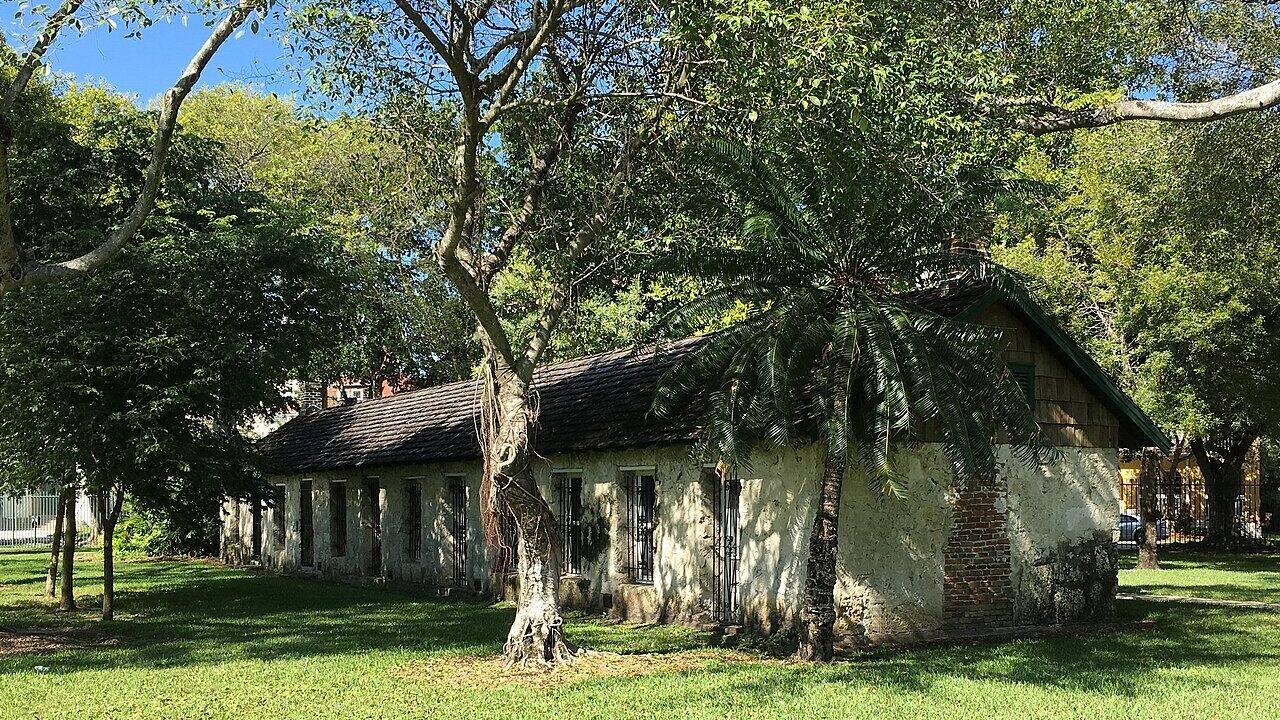
The modern city did not emerge until the late nineteenth century.
By then, the Miami River had already been known by that name for generations. According to educational records, William English established the "Village of Miami" along the river after the Second Seminole War. The settlement remained small for decades, but the name endured. When development accelerated in the 1890s, local landowners such as Julia Tuttle and William and Mary Brickell worked to attract railroad magnate Henry Flagler to the region.A severe freeze damaged much of northern Florida's citrus industry during the winter of 1894–95, while the Miami area escaped major losses. Fresh orange blossoms sent to Flagler helped convince him to extend his railway south. The arrival of the railroad transformed the settlement almost overnight.When the city was formally incorporated in 1896, residents retained the established local name. Rather than inventing a new title for the growing municipality, they adopted the one already associated with the river and surrounding community.
In that sense, the city inherited its identity from a much older landscape.
The meaning of Miami's name in the modern city
pc: wikipedia
The Miami incorporated in 1896 was a settlement of only a few hundred people. Within decades it had expanded through tourism, land speculation and immigration. New neighbourhoods appeared, bridges connected developing coastal districts, and Miami Beach emerged from engineering projects that reshaped Biscayne Bay.The twentieth century brought dramatic demographic change.
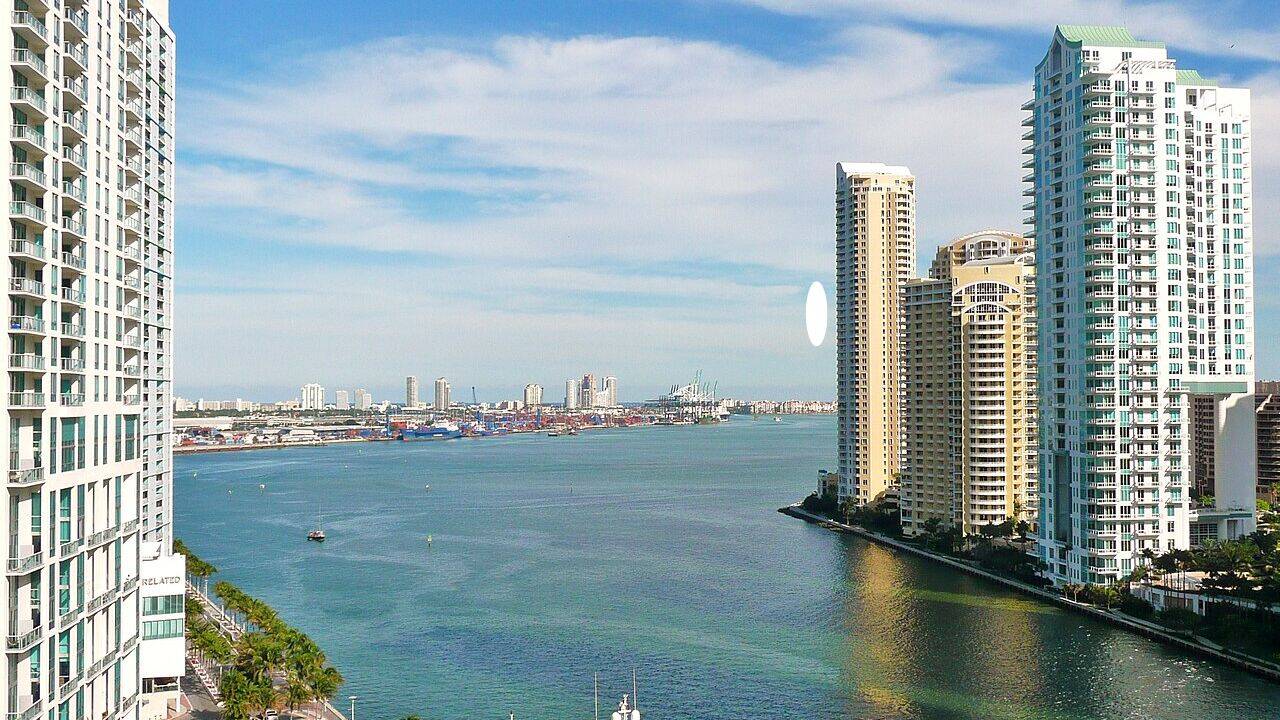
Cuban arrivals after 1959, Haitian migration, Caribbean communities and immigrants from across Latin America contributed to a city that became increasingly international. Today Miami functions as a major centre for finance, trade, tourism and cultural exchange.Yet the name itself remains a reminder of an earlier era. Beneath the modern skyline, the word "Miami" still points back to the river that carried the name first and to the Indigenous people whose connection to the region predates the city by centuries. The story of how Miami got its name is therefore not really about municipal incorporation or urban growth. It begins with water, geography and a community that shaped South Florida long before the first train arrived.The city's name derives from the Miami River, which was named from a Tequesta term believed to mean "big water." The article draws on both sources for historical context surrounding the development of Miami and the origins of its name.








 English (US) ·